Crypto Mining: How It Works, Why It’s Restricted, and What You Need to Know
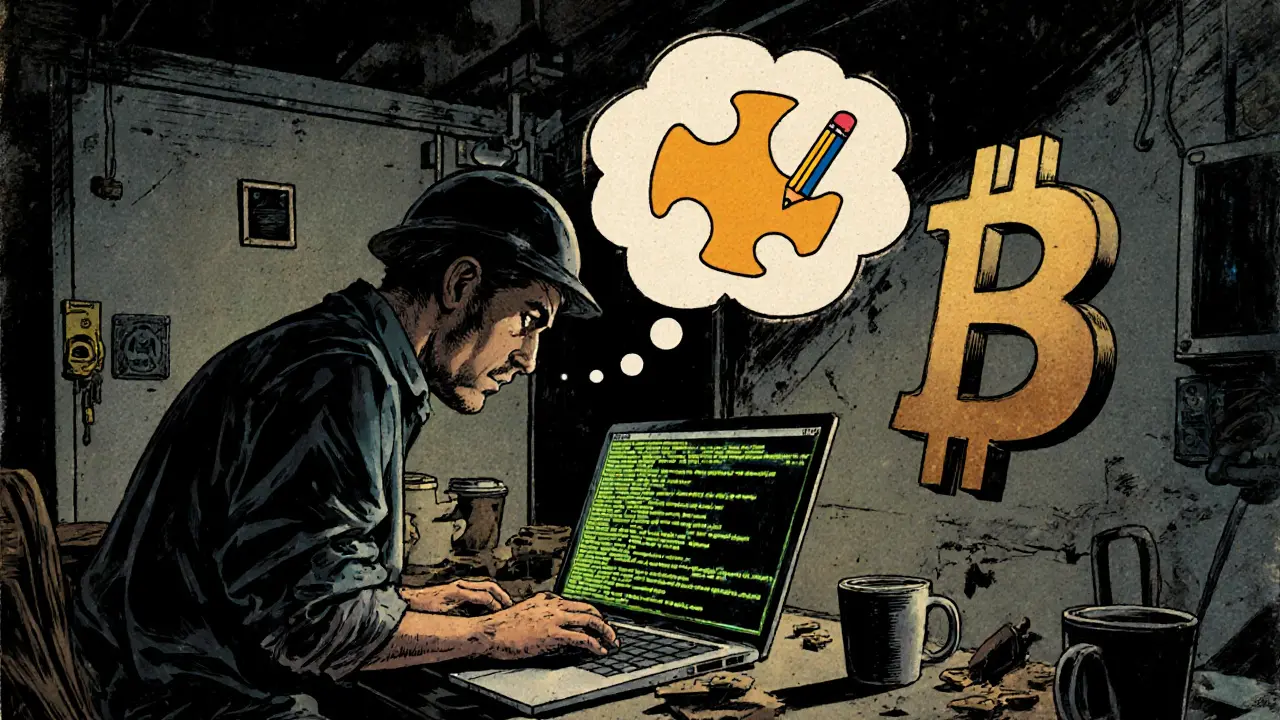
When you hear crypto mining, the process of validating blockchain transactions using computational power to earn rewards. Also known as blockchain mining, it’s the original engine behind Bitcoin and many other cryptocurrencies. It’s not magic—it’s math. Miners compete to solve complex puzzles, and the first to crack it gets paid in new coins. But this isn’t just about earning money. It’s what keeps decentralized networks secure and running without a central authority.
But here’s the catch: proof-of-work, the consensus mechanism that powers crypto mining through energy-intensive computation is under fire. Countries like Kazakhstan banned mining outright because it was sucking up 17% of the national power grid. That’s not a small number—it’s enough to blackout entire cities. And while Bitcoin miners claim they use stranded or wasted energy, regulators aren’t convinced. The energy cost isn’t just an environmental concern—it’s a systemic risk. When a country’s grid can’t handle the load, the solution isn’t to build more power plants. It’s to shut mining down.
Meanwhile, other parts of the ecosystem are changing fast. blockchain node synchronization, how every participant on a network keeps the same transaction history is getting faster, thanks to new sync methods like snap sync. But even the most efficient nodes can’t fix the fact that mining is becoming outdated. Ethereum ditched mining entirely in 2022, switching to proof-of-stake. That move saved 99.95% of its energy use. If the biggest blockchain can drop mining, why are people still chasing it?
What you’ll find in this collection isn’t a guide to setting up a mining rig. It’s a reality check. We’ve got posts on why Kazakhstan shut down mining, how energy grids are cracking under the pressure, and why most new tokens don’t even use mining anymore. You’ll see how exchanges like WhiteBIT and Blockchain.com focus on security and compliance—not hash rates. You’ll learn about validator slashing in proof-of-stake networks, which is far more predictable than mining’s luck-based rewards. And you’ll spot the trend: the future of blockchain isn’t about who can burn the most electricity. It’s about who can build the most efficient, transparent, and sustainable systems.
So if you’re still wondering whether mining is worth it, look at the data. The cost is rising. The rewards are shrinking. And the world is moving on. This isn’t about tech—it’s about survival. And the survival of blockchain doesn’t depend on miners. It depends on users who care about more than just quick gains.