Deflationary Crypto: How Scarce Tokens Gain Value and Why They Matter
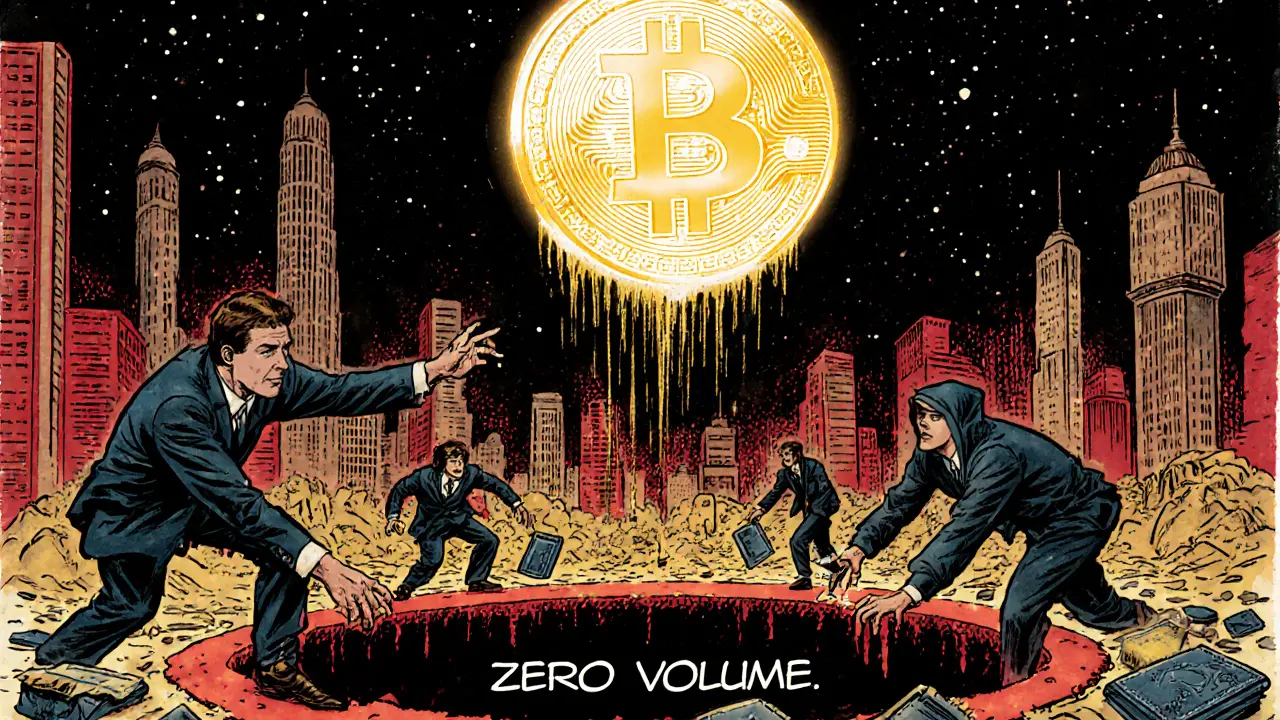
When you hear deflationary crypto, a cryptocurrency designed to reduce its total supply over time, making each remaining unit potentially more valuable. Also known as tokenomics with burning mechanisms, it’s the opposite of inflationary coins that keep printing new supply. Unlike Bitcoin, which has a fixed cap but no active burning, true deflationary tokens actively remove coins from circulation—through burns, transaction fees, or locked wallets—to create scarcity. This isn’t just theory; it’s a design choice that affects how people trade, hold, and even price these assets.
What makes token supply, the total number of coins or tokens in existence, including those locked, burned, or circulating so critical? If a token starts with 1 billion units and burns 1% every quarter, after five years, nearly 20% of the supply is gone. That’s not a small tweak—it’s a structural shift. Compare that to inflationary coins like Dogecoin, where new coins are mined endlessly. Deflationary models assume scarcity drives demand, and history shows this works when there’s real utility behind the token. But here’s the catch: if no one uses the token, burning coins just makes it harder to trade. That’s why many deflationary projects fail—they focus on supply cuts but ignore adoption. The best ones, like those tied to real DeFi platforms or staking rewards, tie burning to usage. For example, some tokens burn fees paid to use a protocol, so the more people trade, the more coins vanish.
tokenomics, the economic design of a cryptocurrency, including how tokens are created, distributed, and destroyed is where deflationary crypto gets interesting. It’s not just about burning—it’s about timing, incentives, and trust. If a project burns too fast, early buyers get rich while later ones get stuck with a shrinking, illiquid asset. If it burns too slow, the effect is meaningless. The most successful models balance burning with rewards: users earn tokens by participating, but a portion of every transaction gets destroyed. This creates a feedback loop: more activity → more burns → higher scarcity → higher perceived value. But remember: scarcity alone doesn’t equal value. You still need a working product, active users, and clear rules. That’s why some deflationary tokens turn into ghost coins—no trading, no updates, just a math equation on a blockchain.
You’ll find plenty of examples in the posts below—some are real projects with clear burning mechanics, others are scams pretending to be deflationary. There’s no magic formula. The key is asking: Is this token being burned because it adds value, or just because the team said so? Look at the transaction history, check if burns are public and verifiable, and see if people are still using it. Deflationary crypto isn’t about hype. It’s about what happens when supply meets real demand. And that’s exactly what you’ll see in the articles ahead.