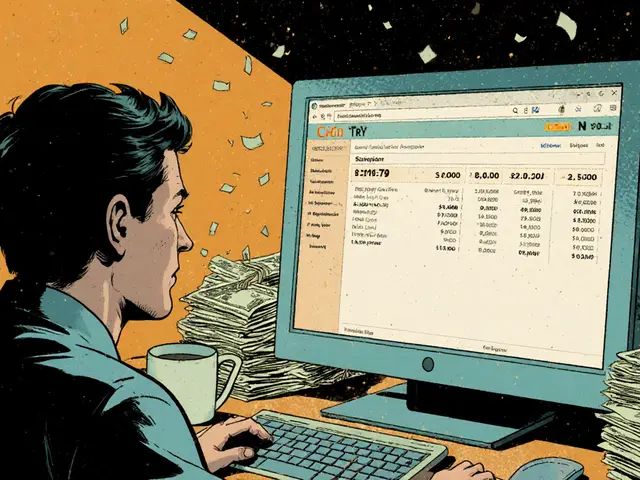
DRV Airdrop: What It Is, Who’s Behind It, and How to Stay Safe
When you hear about a DRV airdrop, a free token distribution tied to a blockchain project, often used to bootstrap user adoption. It’s easy to get excited—free crypto sounds like a no-brainer. But not all airdrops are created equal. Some are legitimate efforts to grow a community. Others? They’re designed to collect your wallet address, trick you into paying gas fees, or vanish the moment you sign up. The truth is, if you don’t know who’s behind DRV or what it actually does, you’re not getting free money—you’re playing Russian roulette with your crypto security.
Most airdrops like this rely on three things: hype, anonymity, and urgency. You’ll see posts saying "Claim DRV now before it’s gone!" or "Only 10,000 spots left!" But real projects don’t need to scream. They build quietly, publish whitepapers, and list on exchanges before handing out tokens. Look at the crypto airdrop, a distribution method where tokens are given to users for free, usually in exchange for simple tasks like following social accounts or holding a specific asset. token giveaway is a tool used by teams with actual product development—not shell companies with a Discord server and a fake website. The DeFi airdrop, a type of crypto airdrop tied to decentralized finance protocols, often rewarding early users of lending, staking, or trading platforms model works when there’s a working app, real users, and transparent code. If DRV has none of that, it’s not a reward—it’s a trap.
Check the basics: Is there a GitHub repo? Are the developers known? Is the token listed anywhere besides a sketchy DEX? Has anyone actually traded DRV? If the answer is no to any of those, you’re not getting a gift—you’re giving away your attention, your wallet address, and possibly your funds. Real airdrops don’t ask you to send ETH or BNB to claim. They don’t need your private key. And they don’t vanish after 48 hours.
Below, you’ll find real reviews and deep dives into projects that looked like DRV—some turned out to be scams, others were hidden gems. You’ll see how people got burned, how some actually made money, and what patterns to watch for before you click "Claim" on the next one. This isn’t about chasing free tokens. It’s about protecting your crypto and learning how to spot the difference between opportunity and exploitation.