Bitcoin Mining and Crypto Exchange Trends in November 2025
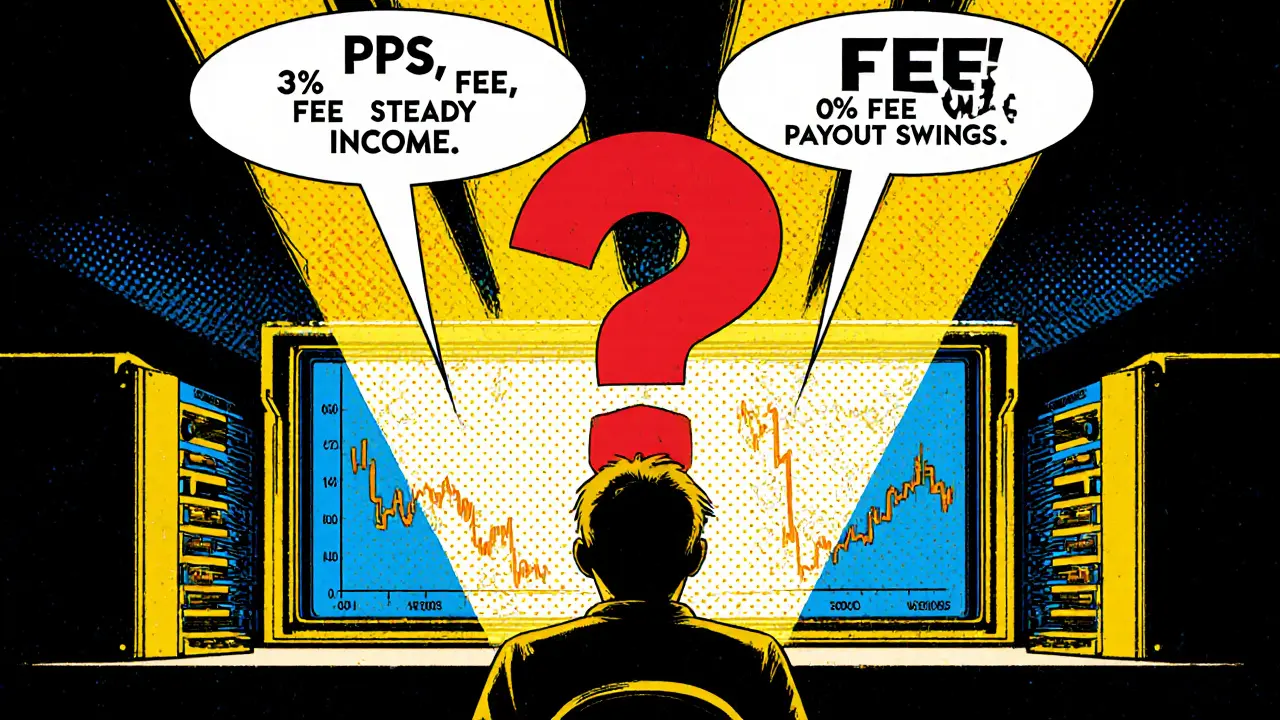
When it comes to Bitcoin mining, the process of validating Bitcoin transactions and adding them to the blockchain in exchange for rewards. Also known as crypto mining, it’s not just about powerful hardware anymore—fees, payout models, and network difficulty now decide if you make money or lose it. In November 2025, miners weren’t just comparing hash rates; they were digging into PPS vs. PPLNS fee structures, realizing that the pool with the lowest fee isn’t always the one that pays out the most. Mining difficulty climbed again, pushing out small operators who couldn’t adapt, while those who understood the math behind block time adjustments kept their rigs running profitably.
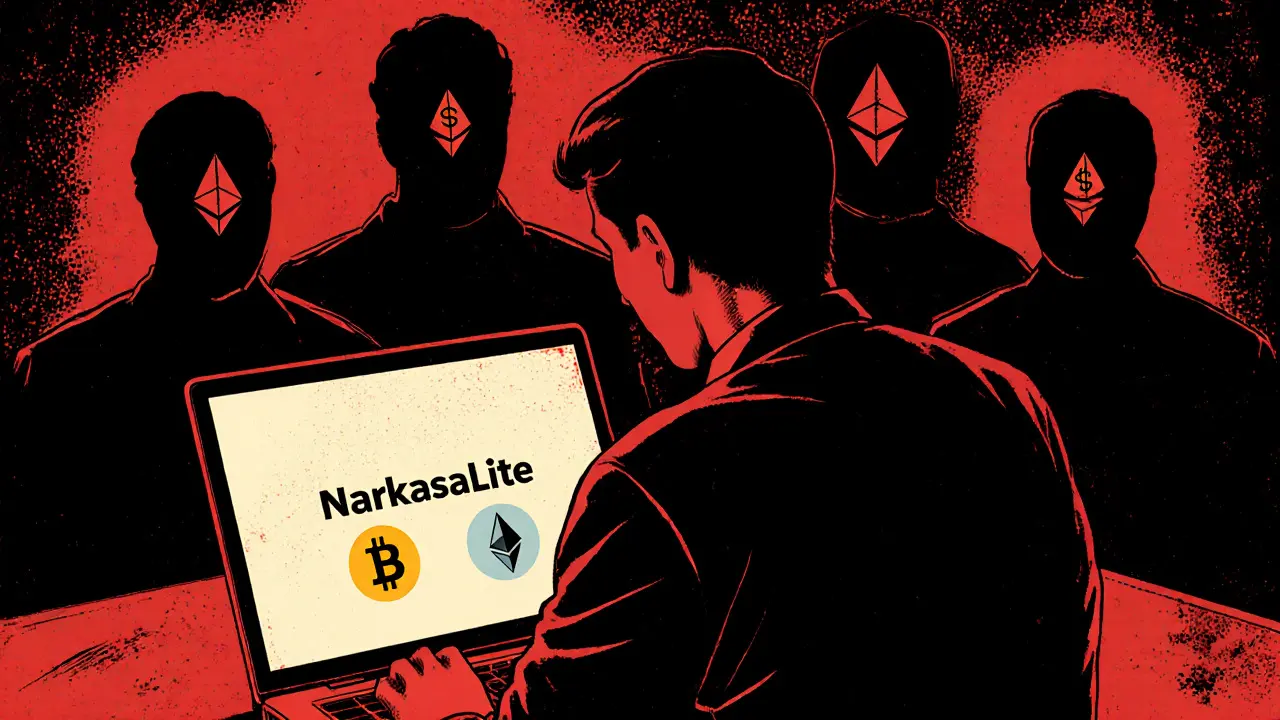
Meanwhile, crypto exchanges, platforms where users buy, sell, and trade digital assets. Also known as cryptocurrency trading platforms, it’s no longer enough to offer low fees—you need transparency, security audits, and clear jurisdictional rules. This month’s reviews exposed exchanges hiding behind vague claims: Narkasa, FREE2EX, and MaskEX all lacked basic proof of operations, while WhiteBIT and Blockchain.com stood out with real compliance and user trust. Some, like Bitnomial, even offered something rare: U.S.-regulated physical delivery of Bitcoin futures. And then there were the ghosts—Buff Network, Wrapped USDR—tokens and platforms that simply didn’t exist, yet still trickled into search results and Telegram groups.
What else was really happening in November 2025?
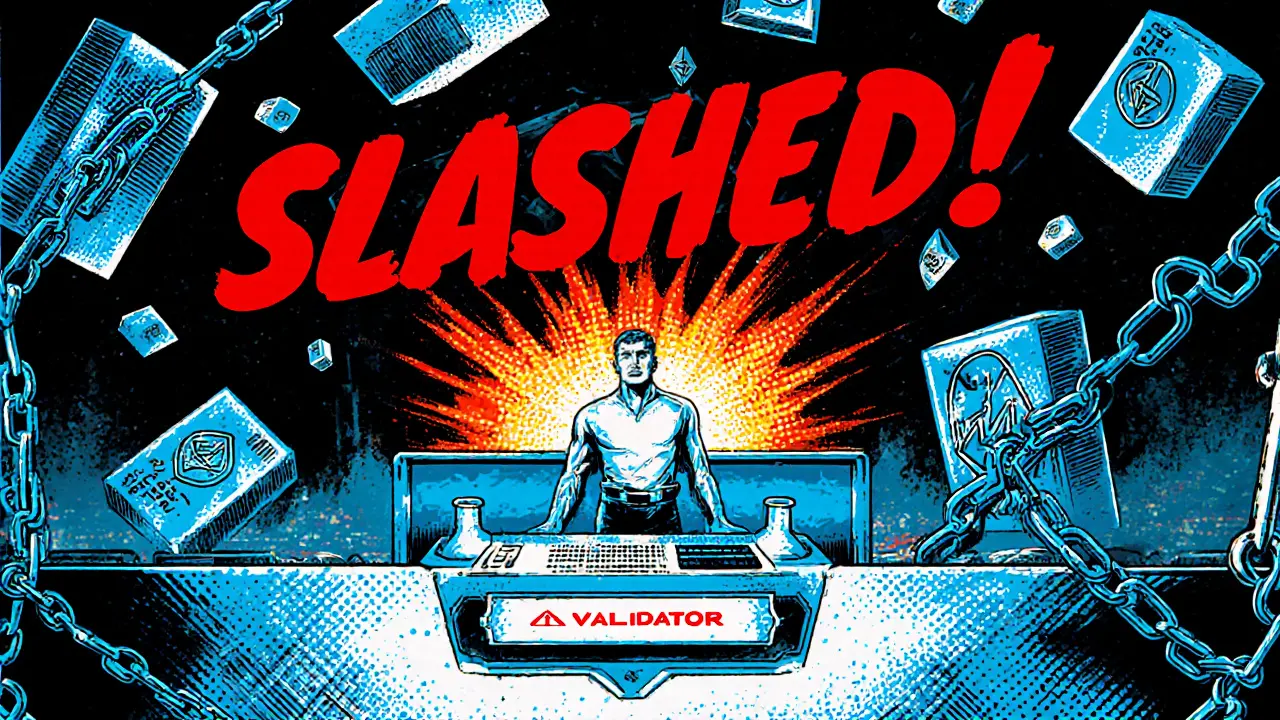
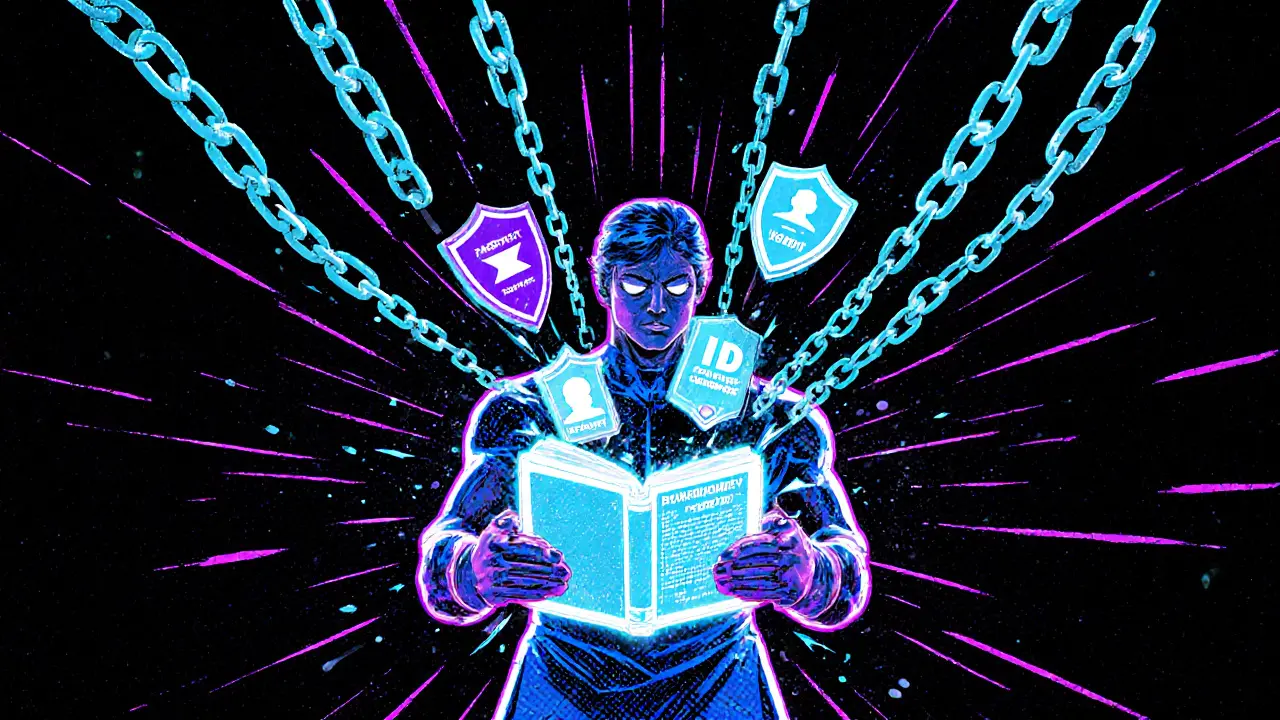
Validator rewards, earnings earned by participants who stake cryptocurrency to secure proof-of-stake blockchains like Ethereum and Solana. Also known as staking rewards, they became more complex as slashing penalties spiked slightly—not from malicious actors, but from misconfigured nodes. People started asking: Is staking through a pool still safer than running your own validator? The answer wasn’t simple. Meanwhile, decentralized identity, a system where users control their own digital credentials using blockchain-based verifiable claims. Also known as self-sovereign identity, it moved from theory to early adoption in Europe, with pilot programs letting users log into services without passwords or personal data leaks. And behind the noise of meme coins like HIF and WAI, governments quietly pushed forward on CBDCs, digital versions of national currencies issued and backed by central banks. Also known as digital fiat, they’re no longer hypothetical—nine countries have launched them, and over 130 are testing the tech.
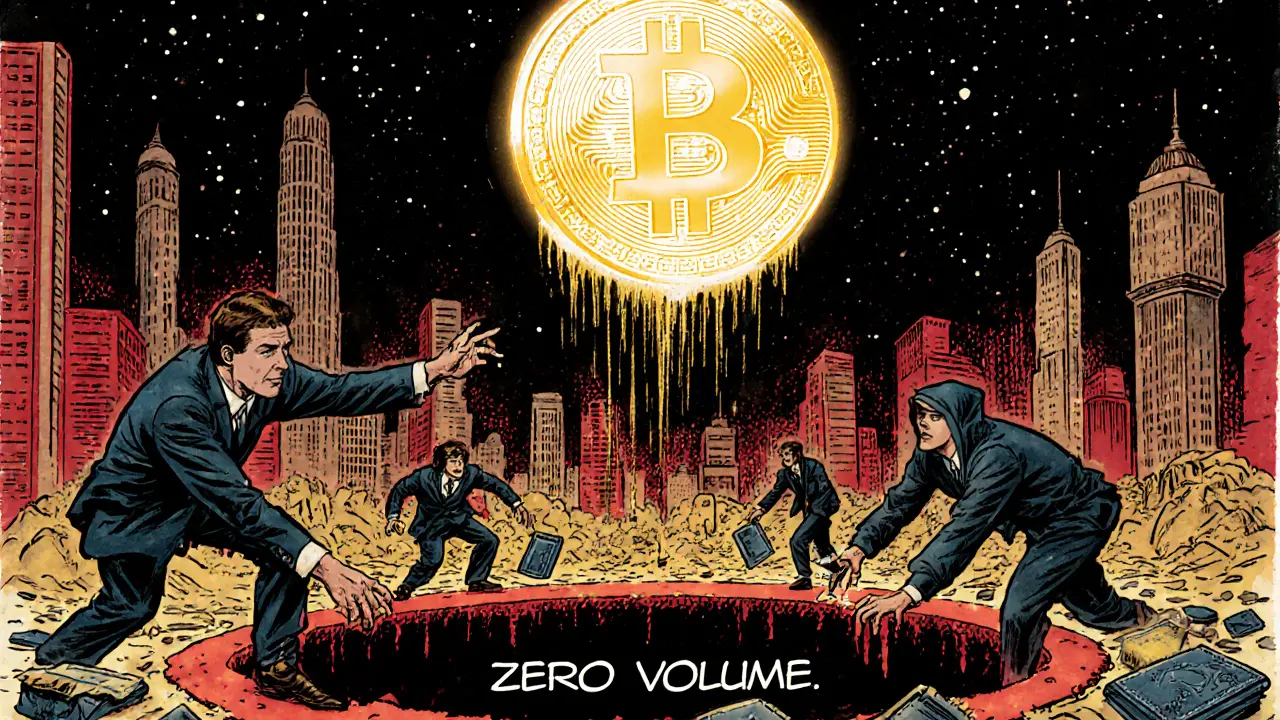
What you’ll find below isn’t just a list of articles—it’s a snapshot of what worked, what failed, and what got ignored in November 2025. From mining pools that actually delivered more Bitcoin to tokens with zero volume and anonymous teams, this archive cuts through the hype. You won’t find fluff here. Just facts, risks, and the hard truths behind the numbers.