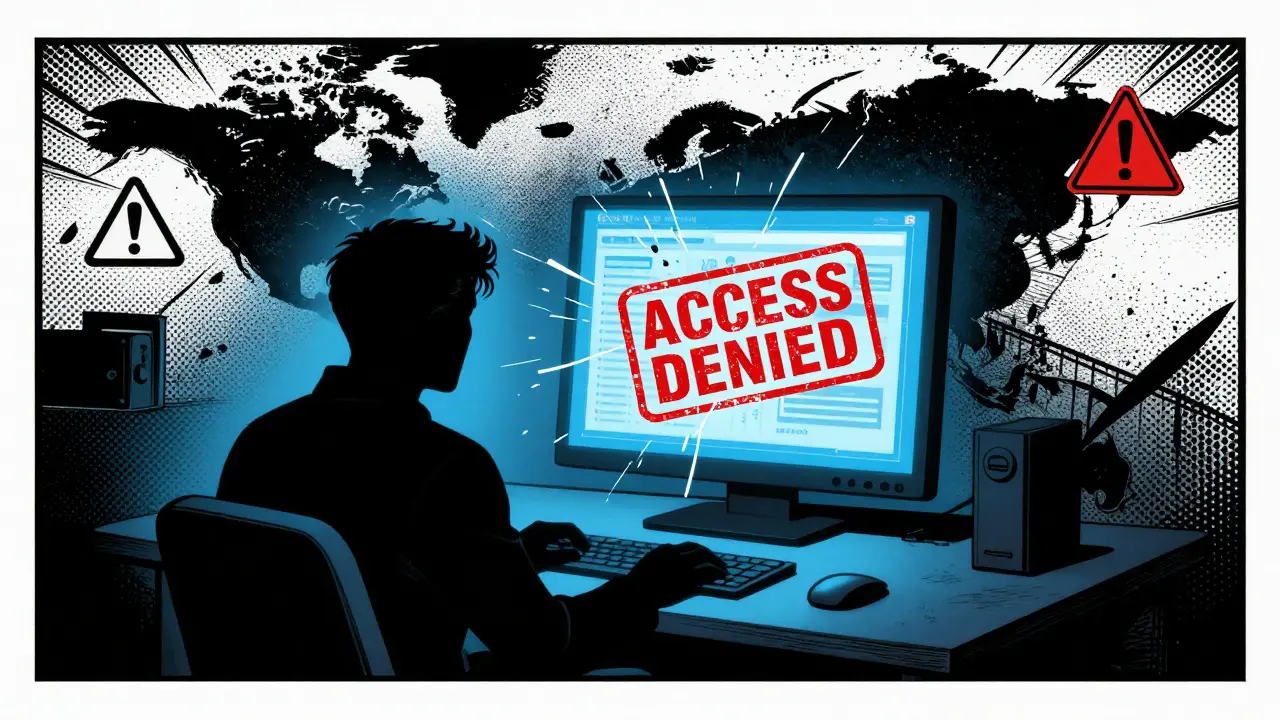
Imagine you’ve just sold your cryptocurrency assets. The numbers look good on your screen. You click “withdraw” to move the funds to a stablecoin wallet, ready to cash out or spend them locally. Suddenly, the transaction fails. Your account is locked. Within hours, you realize your funds have been frozen-not by a glitch, but by international sanctions enforcement. For Iranian users, this isn’t a hypothetical nightmare; it’s a daily reality that requires extreme caution.
The landscape for cryptocurrency exchanges in Iran has shifted dramatically since late 2025. Between aggressive U.S. sanctions, strict domestic regulations from the Central Bank of Iran, and the inherent risks of unregulated platforms, choosing the wrong platform can mean losing everything. This guide breaks down exactly which types of exchanges you should avoid and why, helping you protect your digital assets in a high-stakes environment.
Why Major International Exchanges Are Off-Limits
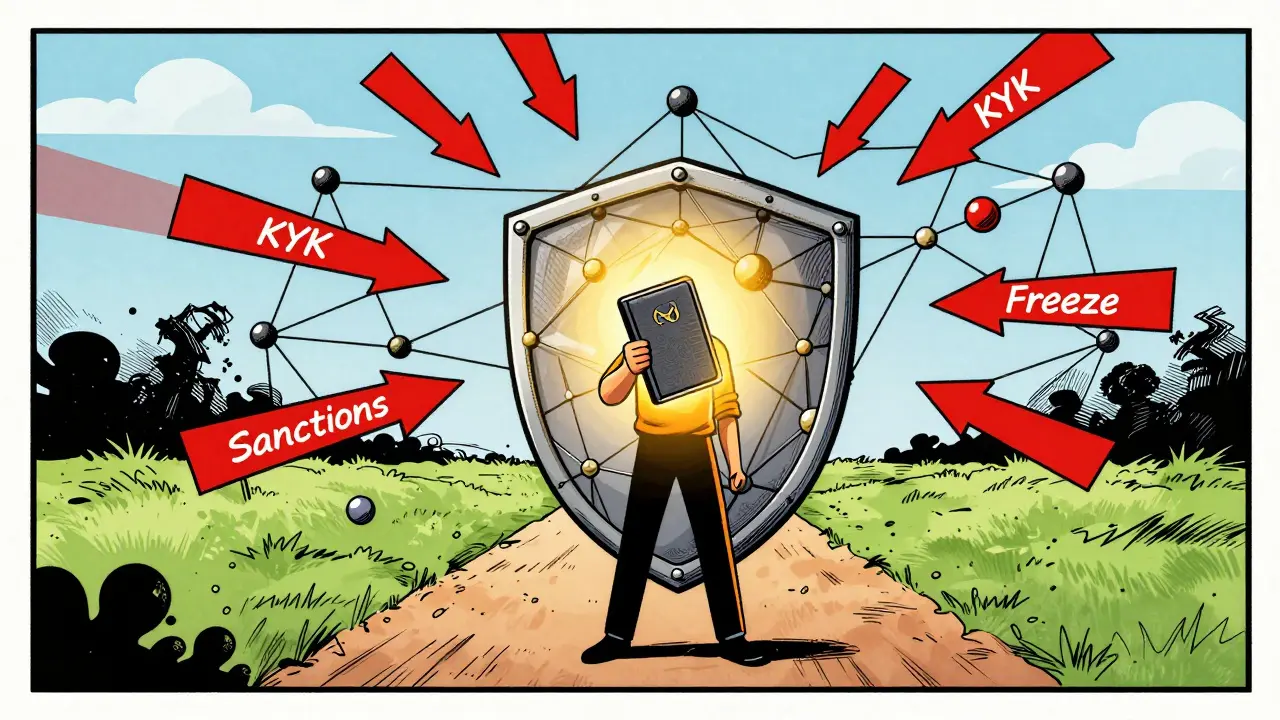
If you are accessing the internet from Iran or holding an Iranian IP address, using major global exchanges is one of the fastest ways to lose access to your funds. Platforms like Coinbase, Binance, and Kraken operate under strict compliance with United States Treasury Department sanctions. These entities use automated screening tools that flag any connection to sanctioned jurisdictions.
When these systems detect an Iranian user-whether through IP tracking, KYC (Know Your Customer) data, or blockchain analysis-they don’t just ban the account. They often freeze the assets indefinitely. In many cases, these funds are seized entirely. There is no customer support line you can call to reverse this decision. The legal framework governing these platforms mandates compliance over user convenience. If you value asset security, keep your distance from any tier-1 exchange that claims full regulatory compliance in Western jurisdictions.
The Hidden Dangers of Local Giants Like Nobitex
You might think that sticking to local Iranian exchanges offers safety because they understand the domestic market. However, Nobitex, Iran’s largest cryptocurrency exchange, presents a unique set of severe risks that make it dangerous for ordinary users seeking long-term storage.
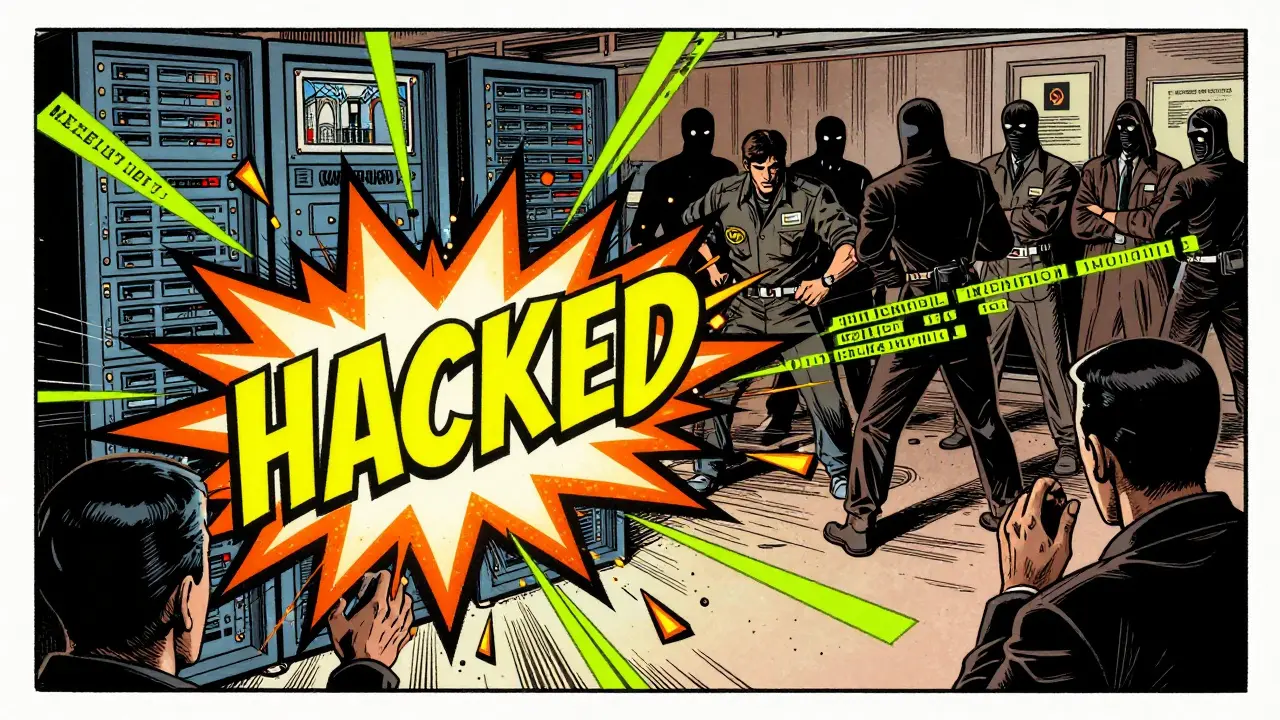
In June 2025, Nobitex suffered a catastrophic hack resulting in losses exceeding $90 million. While the platform attempted to recover, the incident exposed significant vulnerabilities in its security infrastructure. More concerning is its relationship with international sanctions. Analysis by firms like Elliptic has linked Nobitex wallets to networks associated with the Islamic Revolutionary Guard Corps (IRGC). This association places the exchange squarely in the crosshairs of international enforcement agencies.
Furthermore, Nobitex relies heavily on Tether (USDT). When Tether executed massive freezes on Iranian-linked addresses in July 2025, users connected to Nobitex were among those affected. Using an exchange that acts as a conduit for sanctioned entities puts your personal assets at risk of collateral seizure. Even if the exchange itself isn’t shut down tomorrow, the constant threat of targeted enforcement makes it an unstable place to hold wealth.
Avoiding Stablecoin Traps and Regulatory Limits
Stablecoins, particularly USDT, have become the backbone of crypto trading in Iran due to their price stability against the volatile rial. However, this reliance creates a specific vulnerability. In September 2025, the Central Bank of Iran introduced strict limits on stablecoin holdings. Individuals are now capped at purchasing $5,000 annually and holding a maximum of $10,000 at any time.
Exchanges that facilitate large-scale stablecoin transactions without adhering to these caps are operating in a gray area that invites government scrutiny. If you use a platform that ignores these limits, you risk having your accounts flagged by Iranian authorities. The penalties for non-compliance are unspecified but could include account freezes, fines, or worse. Additionally, the February 2025 nationwide ban on cryptocurrency advertising signals a broader crackdown on unregulated crypto activity. Any exchange that continues to promote unrestricted stablecoin trading aggressively is likely cutting corners on compliance, putting your funds at risk of sudden shutdowns.
The Risk of Unregulated and Informal Platforms
As regulated platforms face tighter restrictions, some users turn to informal trading groups, Telegram channels, or unlicensed peer-to-peer (P2P) platforms. This is perhaps the most dangerous move you can make. These platforms lack any form of legal protection, insurance, or security infrastructure.
Iran’s fintech associations, including the Iran FinTech Association, have warned that restrictive regulations may inadvertently push users toward these unsafe alternatives. Without proper licensing, these operators can disappear overnight with your funds-a common tactic known as an "exit scam." They also lack the resources to defend against sophisticated hackers. If you deposit money into an unregulated platform, you are essentially trusting a stranger with your life savings. There is no recourse if things go wrong. Stick only to platforms that are transparent about their ownership and regulatory status, even if that means fewer options.
Platforms Linked to Government-Affiliated Channels
Be wary of exchanges that are heavily promoted by state-affiliated media outlets, such as Tasnim News Agency. These promotions often serve political or economic agendas rather than user safety. Exchanges endorsed by such channels may have closer ties to the IRGC or other sanctioned entities. As seen with Nobitex, these connections increase the likelihood of being targeted by international sanctions. Using a platform that is part of the state’s financial apparatus can expose your personal wallet addresses to surveillance and potential freezing by foreign governments. Privacy and anonymity are crucial for Iranian users, and state-linked platforms rarely offer either.
Taxation and Reporting Risks
Don’t overlook the domestic legal risks. In August 2025, Iran enacted the Law on Taxation of Speculation and Profiteering, which includes capital gains taxes on cryptocurrency trading. Licensed exchanges are required to report transaction data to tax authorities. If you use an exchange that does not adequately handle these reporting requirements, you may find yourself liable for unpaid taxes and penalties. Conversely, using an exchange that reports too much data without adequate privacy protections could expose your financial activities to unnecessary scrutiny. Choose platforms that clearly outline their tax reporting obligations and offer some level of financial privacy within legal bounds.
| Exchange Type | Primary Risk | Sanctions Exposure | Recommendation |
|---|---|---|---|
| Major International (Coinbase, Binance) | Account Freeze & Asset Seizure | High | Avoid Completely |
| Local Giant (Nobitex) | Hacks & Sanctions Linkage | Very High | Avoid for Long-Term Storage |
| Unregulated P2P/Telegram | Fraud & Exit Scams | Low (but high fraud risk) | Avoid Entirely |
| State-Affiliated Platforms | Surveillance & Political Targeting | High | Avoid |
Safer Alternatives and Best Practices
So, what should you do instead? The safest approach involves decentralization. Consider using decentralized exchanges (DEXs) that do not require KYC verification, such as Uniswap or SushiSwap. These platforms allow you to trade directly from your private wallet, keeping control of your keys and minimizing exposure to centralized entities that can be sanctioned or hacked.
If you must use a centralized exchange for liquidity, look for smaller, reputable platforms that explicitly state their neutrality regarding geopolitical sanctions and have strong security records. Always use hardware wallets like Ledger or Trezor to store your assets when not actively trading. Never leave large amounts of crypto on any exchange, regardless of its reputation. Diversify your stablecoin holdings away from USDT where possible, considering alternatives like DAI on networks like Polygon, which have shown more resilience to recent freezes.
Can I use Coinbase or Binance if I am in Iran?
No. These platforms strictly comply with U.S. sanctions. If they detect your location or identity, they will likely freeze your account and seize your assets permanently. There is no appeal process for sanction-related bans.
Is Nobitex safe for storing large amounts of crypto?
No. Nobitex has suffered major hacks and is linked to entities targeted by international sanctions. Its heavy reliance on Tether (USDT) exposes users to the risk of mass fund freezes. It should be used only for immediate trading, not long-term storage.
What happened to Tether (USDT) users in Iran?
In July 2025, Tether froze dozens of wallets linked to Iranian exchanges, including Nobitex. This action demonstrated that holding USDT on centralized platforms carries significant risk of asset seizure due to sanctions compliance.
Are there limits on how much stablecoin I can hold in Iran?
Yes. As of September 2025, the Central Bank of Iran limits individuals to purchasing $5,000 in stablecoins annually and holding a maximum of $10,000 at any time. Exceeding these limits can lead to government penalties.
What is the safest way to trade crypto in Iran?
The safest method is using decentralized exchanges (DEXs) like Uniswap with a private hardware wallet. This avoids KYC requirements, reduces exposure to sanctions, and keeps your assets under your direct control.