Crypto Ban Tunisia: What It Means for Crypto Users and Regional Regulations
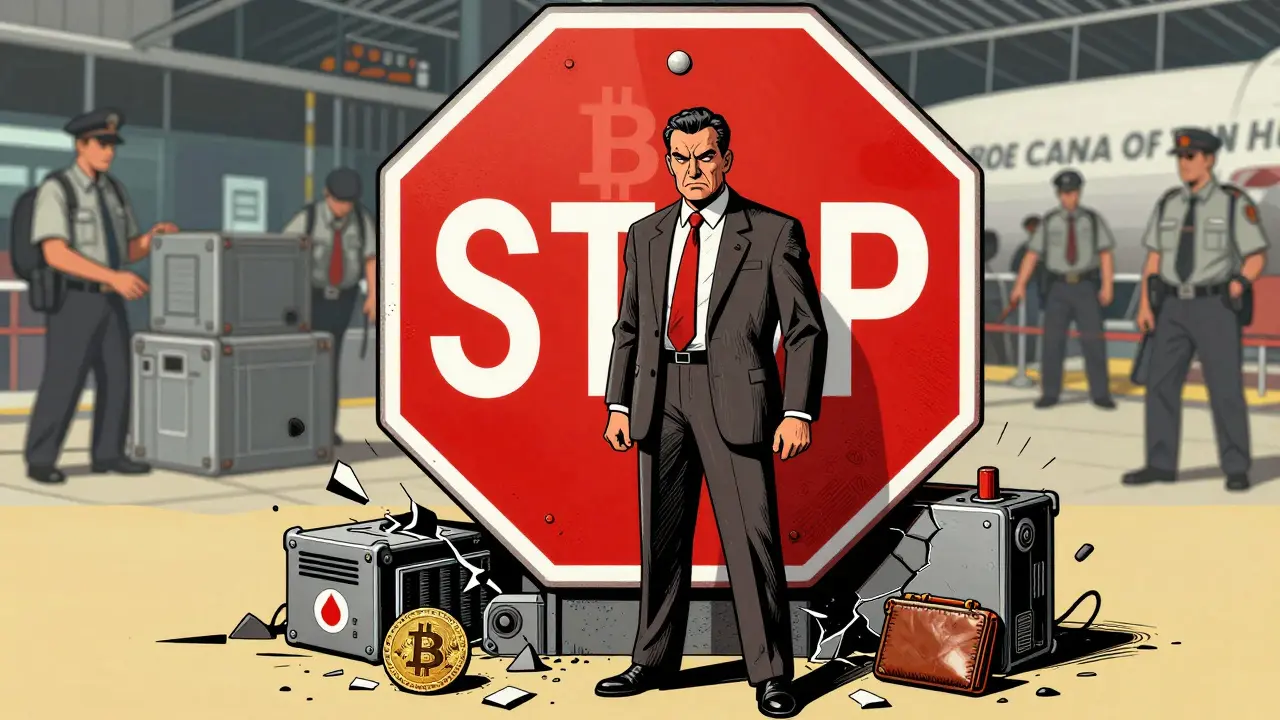
When crypto ban Tunisia, a government decision to restrict cryptocurrency trading and exchange activities within the country. Also known as crypto restrictions in Tunisia, it wasn’t a full outlawing of Bitcoin or blockchain—but a targeted move against unregulated financial activity that threatened national monetary control. The Central Bank of Tunisia, alongside the Ministry of Finance, issued warnings in 2021 that using crypto for payments or exchanges violated local financial laws. Unlike outright bans in countries like Egypt or Nigeria, Tunisia’s approach was more about control than elimination—blocking banks from processing crypto transactions, pressuring local exchanges to shut down, and cracking down on peer-to-peer trading platforms.
What followed was a ripple effect across North Africa. Tunisia’s move mirrored similar actions in Algeria and Morocco, where regulators feared capital flight, money laundering, and loss of monetary sovereignty. But unlike those countries, Tunisia still allows citizens to hold crypto privately—just not trade it through local banks or platforms. This gray zone created confusion: you could own Bitcoin, but not buy it with Tunisian dinars. Meanwhile, users turned to offshore exchanges like WhiteBIT, Alterdice, and Coinzo to keep trading, often using VPNs and peer-to-peer networks. The real story isn’t about technology—it’s about access. People in Tunisia wanted financial freedom, and regulators saw that as a threat to their authority.
Related to this are cryptocurrency regulation, government policies that define how digital assets can be used, taxed, or restricted. Also known as crypto legal frameworks, these rules vary wildly from country to country. In Tunisia, regulation meant silence—no official guidance, no licensing path, just enforcement. Compare that to South Korea, where Upbit faced a $34 billion penalty for KYC failures, or Kazakhstan, where energy shortages led to a full mining ban. Tunisia’s case is unique because it didn’t target mining or infrastructure—it targeted people. It didn’t shut down nodes or block blockchain data. It blocked wallets from linking to bank accounts. That’s a different kind of control—one that hits users harder than institutions.
Also tied to this is African crypto restrictions, a growing trend across the continent where governments limit crypto to protect national currencies and prevent capital outflows. Also known as crypto crackdowns in Africa, these policies often lack transparency and are enforced unevenly. Countries like Nigeria and Ghana saw massive crypto adoption despite bans, proving that demand doesn’t disappear when governments say no. Tunisia’s situation is no different. Users didn’t stop using crypto—they just moved underground. The real cost? Loss of innovation, brain drain, and a generation of tech-savvy people who now look to Europe or the U.S. for opportunity.
What you’ll find below are real, researched posts that dig into the mechanics behind these kinds of restrictions. From exchange reviews like Narkasa and Coinzo that serve regional traders, to deep dives on how regulatory pressure shapes crypto markets globally, this collection doesn’t just report—it explains. You’ll see how bans like Tunisia’s connect to larger patterns in blockchain adoption, why some exchanges thrive in hostile environments, and what happens when a country tries to fight a decentralized network with centralized rules.