KYC Crypto: What It Is, Why It Matters, and How It Affects Your Trades
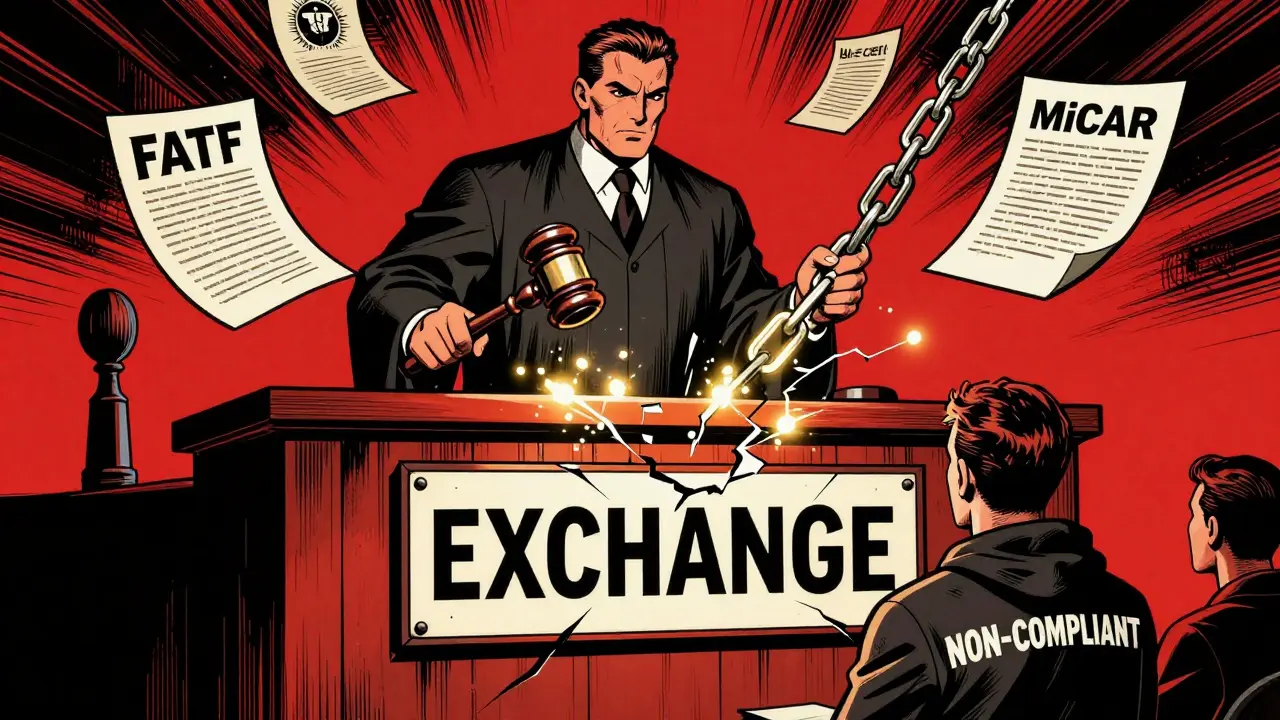
When you sign up for a crypto exchange like KYC crypto, a process where users prove their identity to comply with financial regulations. Also known as identity verification, it's now standard on almost every major platform. It’s not optional—it’s the gatekeeper between you and your coins. Without passing KYC, you can’t buy Bitcoin on Coinbase, trade Ethereum on Binance, or even withdraw funds from Blockchain.com. The system exists because governments demand it. Banks won’t touch crypto businesses that don’t verify their users, and exchanges have no choice but to follow.
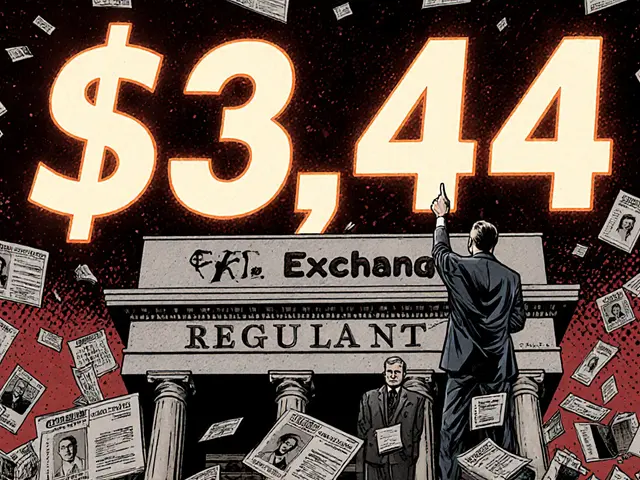
But KYC isn’t just about filling out a form and uploading a photo. It’s part of a bigger system called AML compliance, anti-money laundering rules that track suspicious transactions to stop crime. Exchanges use KYC to flag wash trading, fraud, and terrorist financing. That’s why Upbit faced a $34 billion potential penalty for failing to verify users properly. It’s not a minor slip—it’s a regulatory earthquake. And while some platforms like Narkasa or Coinzo skip strict checks to attract users, they’re often risky, unregulated, and prone to shutdowns. You want security? You need KYC. You want freedom? You’re trading on the edge.
There’s a trade-off here. KYC gives you access to liquidity, support, and insurance—but it also gives exchanges your ID, address, and face. Decentralized identity tools like decentralized identity, a system where you control your own digital credentials without handing them to a company. are trying to fix that. Imagine proving you’re over 18 without showing your driver’s license to the exchange. That’s the future. But today? You still hand over your documents. And you should—because the alternative is often scams like PAXW Pax.World, where fake airdrops lure people who don’t know the difference between a real exchange and a trap.
Some people hate KYC. They say crypto is supposed to be anonymous. But the truth? Most of the coins you’re buying—Saito, WIFI, ALICE, EQX—require KYC to trade on real markets. Even if you find a non-KYC exchange, you’ll be stuck with low liquidity, no fiat on-ramps, and zero protection if things go wrong. The crypto world isn’t wild west anymore. It’s regulated. And if you want to play, you play by the rules. The posts below break down exactly how KYC works on top platforms, what happens when it fails, and how to protect your data while still getting access to the assets you want.