KYC Violations: What Happens When Crypto Exchanges Break the Rules
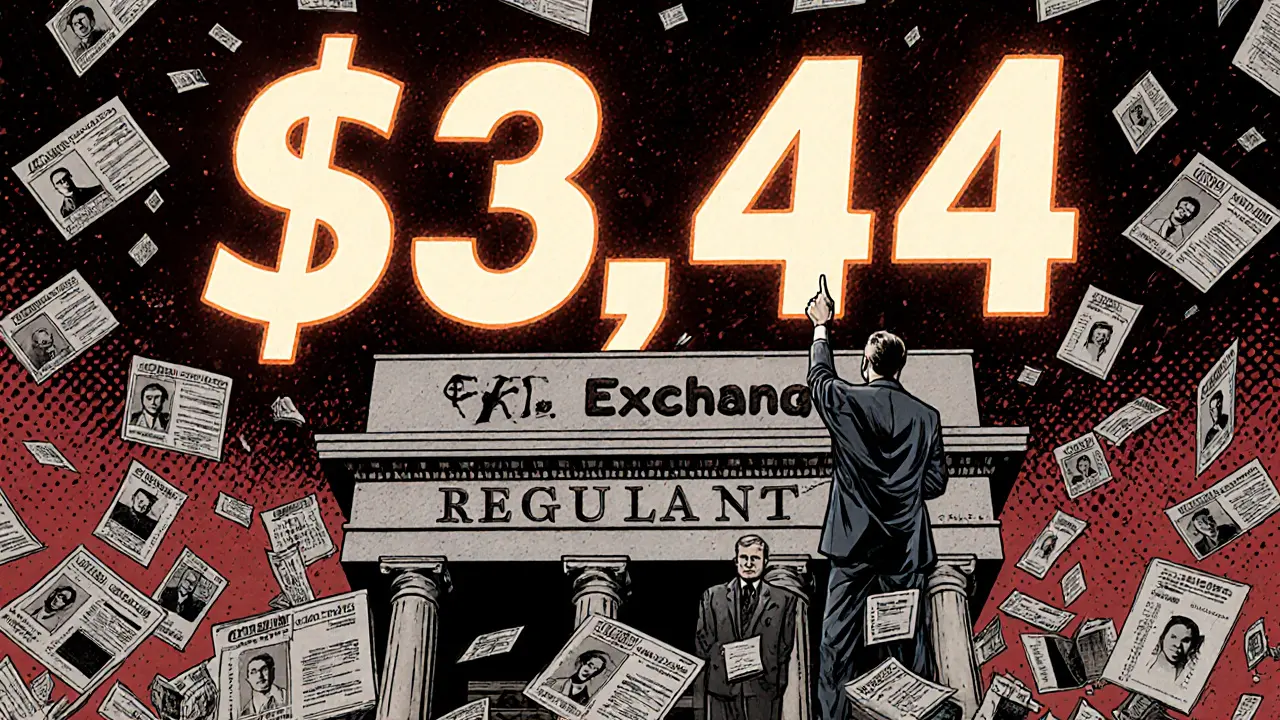
When a crypto exchange skips KYC violations, failures in identity verification that break anti-money laundering laws, it’s not just a technical glitch—it’s a legal time bomb. KYC, or Know Your Customer, isn’t optional sugarcoating. It’s the legal backbone that separates legit platforms from rogue operations. Every time an exchange lets someone sign up without checking their ID, or ignores red flags on large transfers, they’re playing Russian roulette with regulators. And when those regulators come knocking, it’s not just the exchange that gets hit—it’s every user who trusted them.
Real-world examples show how serious this is. Blockchain.com has faced delays because of strict KYC checks, not because they’re slow, but because they’re trying to stay compliant. WhiteBIT and Bitnomial built their reputations on following rules, even if it means longer sign-up times. Meanwhile, platforms like MaskEX and Buff Network vanished because they never bothered with KYC at all. These aren’t just bad UX choices—they’re violations that trigger investigations, asset freezes, and sometimes criminal charges. The AML regulations, anti-money laundering laws enforced globally to prevent crypto from being used for crime don’t care if you’re a beginner or a whale. If your exchange doesn’t verify users properly, you’re at risk.
It’s not just about getting banned. If an exchange has a history of identity verification, the process of confirming a user’s real identity before allowing trading failures, your funds could be seized during a raid. Regulators don’t distinguish between innocent users and bad actors—they freeze everything. That’s why exchanges like FREE2EX and Coinzo raise red flags: they operate in jurisdictions with weak oversight, making them easy targets. Even if they promise privacy, that privacy is a trap. The crypto regulatory risk, the chance of losing access to assets due to non-compliance with government rules isn’t theoretical. It’s happening right now in Kazakhstan, the U.S., and Europe. The posts below show you exactly which exchanges have been flagged, which ones got caught, and which ones still pretend they’re safe. You’ll see real cases—not guesses—so you know who to avoid and why compliance isn’t just bureaucracy, it’s your protection.