How Nigeria’s Underground Crypto Economy Thrived During the 2021‑2023 Ban
Explore how Nigeria's crypto ban sparked a billion‑dollar underground market, the P2P platforms that powered it, fraud risks, and its lasting impact on regulation.
Read More
When working with P2P trading Nigeria, the practice of swapping crypto for Naira directly between users. Also known as local crypto marketplace, it connects buyers and sellers without a centralized exchange. This ecosystem relies heavily on crypto wallets, software that stores private keys and lets users send and receive tokens, and operates under the rules set by VASP licensing Nigeria, the regulatory framework that requires crypto businesses to register with the SEC and meet AML/KYC standards. Additionally, peer‑to‑peer platforms, online marketplaces like Paxful, Binance P2P, and local Bitcoin groups that match traders shape how transactions happen. The term P2P trading Nigeria has grown fast because it offers faster settlement, lower fees, and a way around banking restrictions.
First, choose a platform that respects the Nigerian regulatory environment, a set of laws and guidelines that influence which services can operate legally. Platforms that have secured VASP licenses tend to provide escrow services, which lock the seller’s crypto until the buyer confirms receipt of Naira. This escrow reduces fraud risk and aligns with the semantic triple: P2P trading Nigeria requires escrow protection to build trust. Second, pick a wallet that supports the tokens you plan to trade. Hardware wallets give the highest security, while mobile wallets are convenient for quick swaps. A solid wallet choice fulfills another triple: P2P trading Nigeria enables transactions when users have reliable crypto wallets.
Third, understand payment methods. Many Nigerian traders prefer bank transfers, mobile money, or cash pickup. Each method carries its own risk profile. Bank transfers are traceable, which can help in disputes, but they may be slower. Cash pickup offers instant settlement but needs a trusted middleman. Matching the payment method to your risk tolerance is crucial because the regulatory framework influences the safety of payment channels. Finally, stay updated on fee structures. Some platforms charge a flat fee, others a percentage of the trade. Fees can eat into profits, especially on small trades, so calculate the total cost before confirming.
Security habits round out the picture. Always verify the counterparty’s reputation on the platform’s rating system. Use two‑factor authentication on both your wallet and the P2P site. Avoid sharing private keys or screenshots of your wallet balance. Remember that even though P2P trading bypasses traditional exchanges, it still falls under the same anti‑money‑laundering rules that govern the broader crypto space. By keeping these practices in mind, you turn the abstract idea of peer‑to‑peer trading, direct user‑to‑user crypto exchange into a reliable, repeatable strategy.
Below you’ll find a curated list of articles that dive deeper into each of these topics—whether you’re looking for step‑by‑step guides on setting up wallets, breakdowns of VASP licensing requirements, or reviews of the top P2P platforms operating in Nigeria. Browse the collection to sharpen your skills, stay compliant, and make the most of the vibrant P2P trading scene in Nigeria.
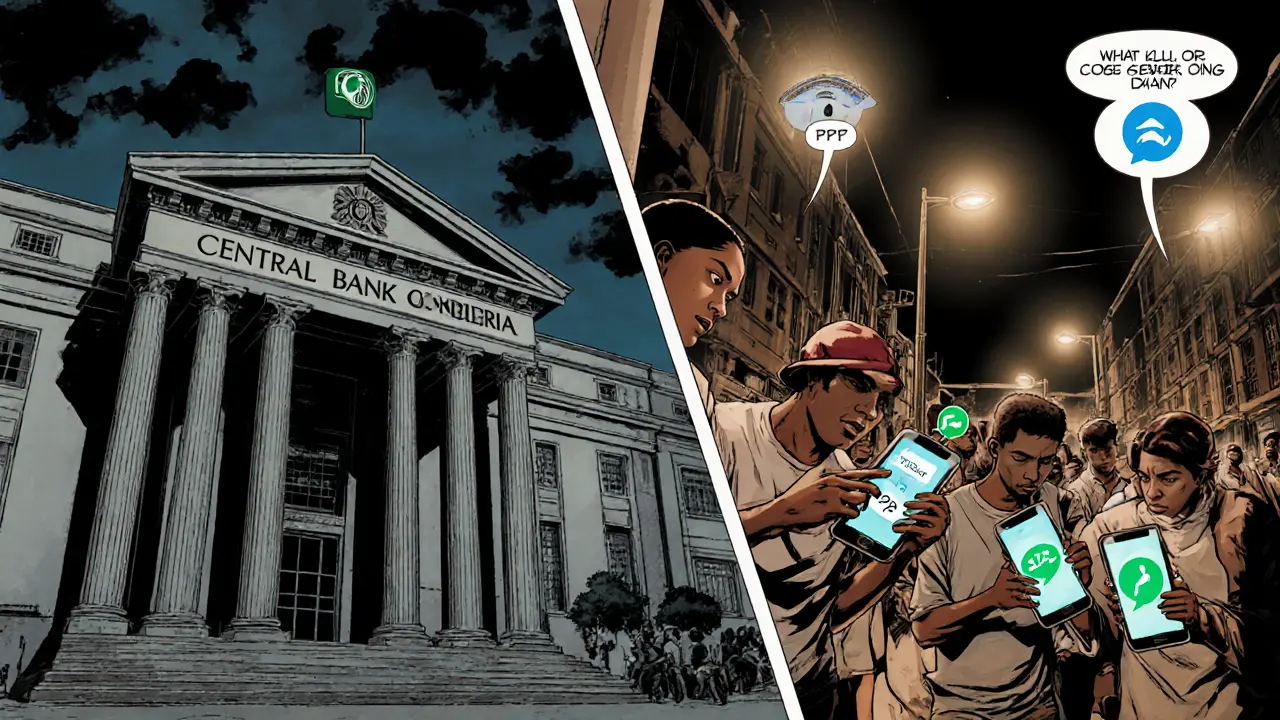
Explore how Nigeria's crypto ban sparked a billion‑dollar underground market, the P2P platforms that powered it, fraud risks, and its lasting impact on regulation.
Read More