WiFi Map crypto: What It Is and Why It Doesn't Exist
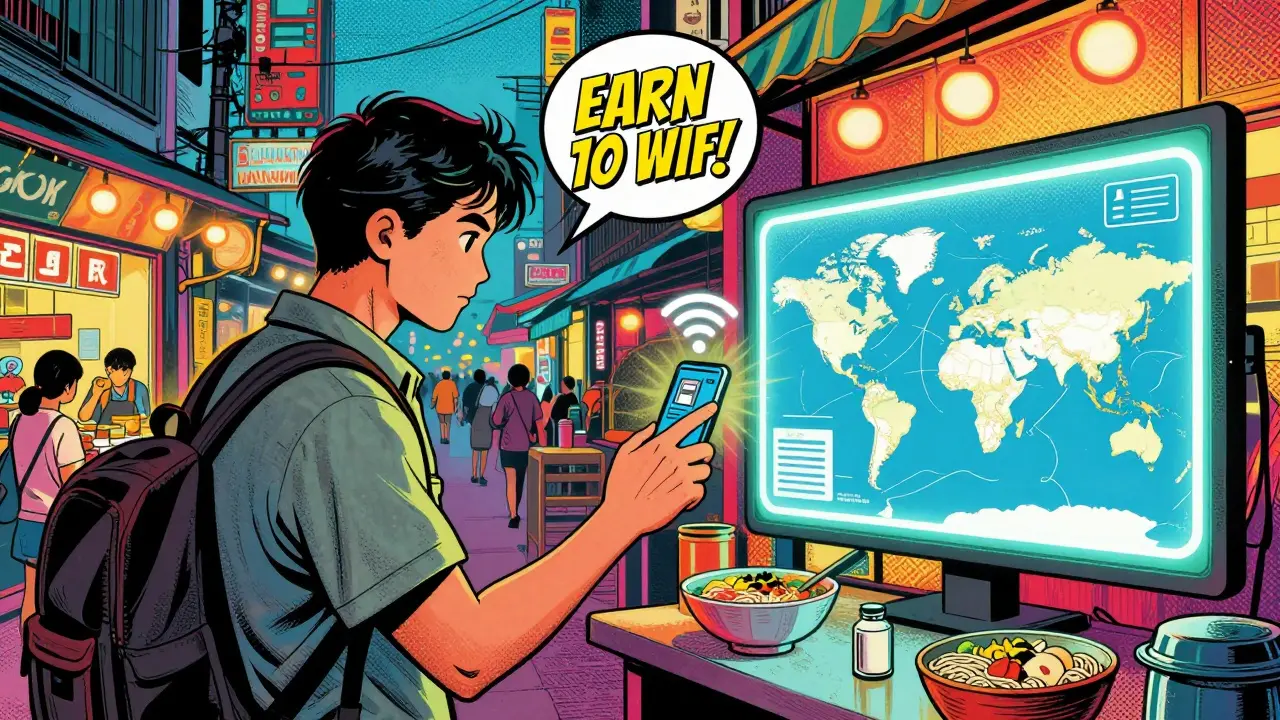
When you hear WiFi Map crypto, a fake crypto project that pretends to link public Wi-Fi networks to token rewards. Also known as WiFi token scam, it’s one of many names invented to trick people into clicking links, downloading apps, or sending crypto to empty wallets. There is no official WiFi Map crypto token. No blockchain supports it. No team behind it. No whitepaper. Just a name borrowed from real tech—Wi-Fi—and twisted into a lure.
Scammers use names like this because they sound plausible. People see "WiFi" and think of free internet. They see "crypto" and think of easy money. Combine them, and suddenly it feels like a deal: get paid just for using Wi-Fi. But here’s the truth: no legitimate crypto project gives you tokens for connecting to public hotspots. Real crypto rewards come from staking, mining, or using actual platforms—not from magic Wi-Fi maps. This isn’t innovation. It’s exploitation. And it’s happening right now, on Telegram groups, TikTok ads, and fake websites that look like they’re from 2025.
These scams often copy real names. You might see "WiFi Map" paired with "Airdrop," "Free Tokens," or "Limited Time Offer." They’ll ask you to connect your wallet, enter a seed phrase, or pay a small fee to "unlock" your reward. Once you do, your funds vanish. The same pattern shows up in fake airdrops like DRV Dragon Verse or Wrapped USDR—projects that don’t exist but have pages full of fake testimonials. The only thing these scams have in common? They prey on hope. They don’t build technology. They build traps.
What you’ll find in the posts below aren’t guides to WiFi Map crypto—because there’s nothing to guide you to. Instead, you’ll find clear breakdowns of real scams, fake exchanges, and dead tokens that look just like this one. You’ll learn how to spot a project that’s all hype and no code. You’ll see what actual blockchain security looks like versus what scammers fake. And you’ll understand why the most dangerous crypto risks aren’t market crashes—they’re the ones that pretend to be opportunities.