
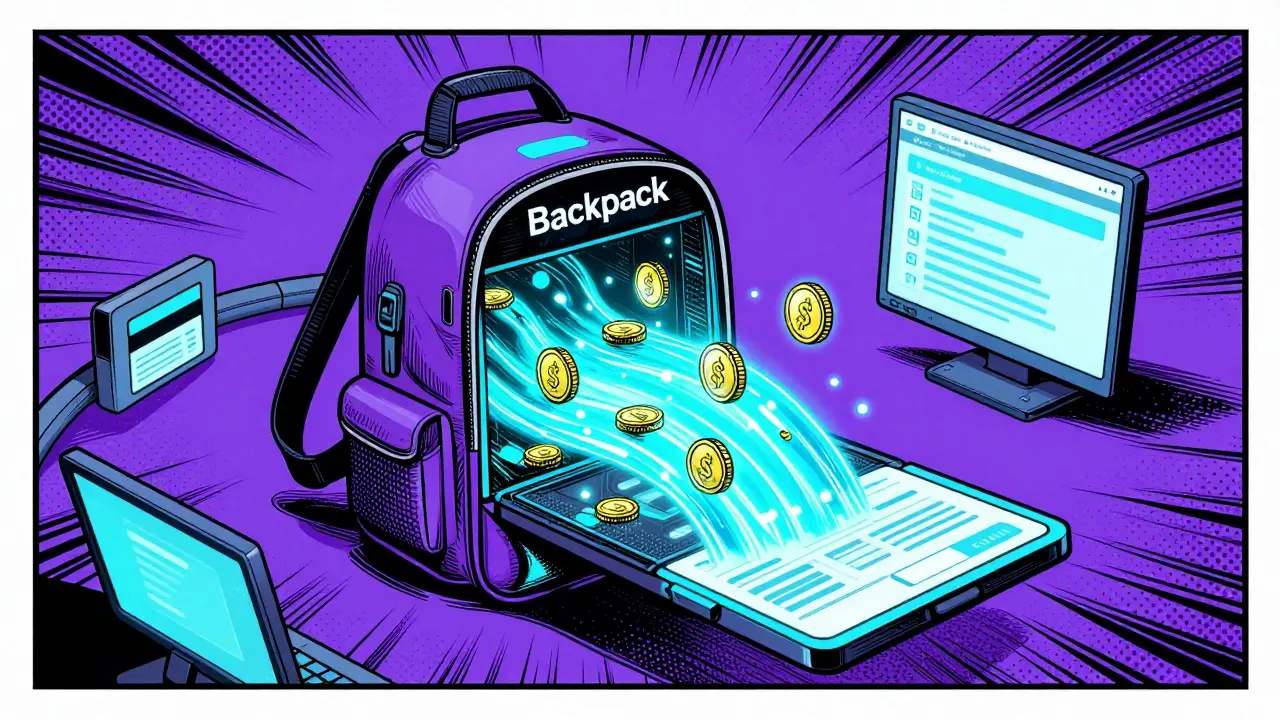
Most centralized exchanges feel like clones of each other-the same order books, the same bland interfaces, and the same corporate feel. But Backpack Exchange is trying to flip the script. Instead of just being a place to swap coins, it's a hybrid beast that blends a high-performance trading engine with a self-custodial wallet and a social NFT layer. If you're deep into the Solana ecosystem, it looks like a dream; if you're a cautious investor, the regulatory picture is a bit more blurred. Let's figure out if this platform actually delivers on its promises or if it's just another hype machine.
The Quick Verdict
- Best for: Solana power users, NFT collectors (Mad Lads), and traders looking for innovative yield products.
- Pros: Tight integration with self-custody, extremely low stablecoin fees, and unique interest-bearing contracts.
- Cons: Lacks Tier-1 regulation in major markets (US, UK, AU) and has no formal investor protection fund.
- Bottom Line: A technical marvel for Web3 natives, but proceed with caution if you require government-backed insurance for your funds.
What Exactly is Backpack Exchange?
Launched in 2022 by Armani Ferrante, Backpack Exchange is a centralized trading platform built specifically to leverage the speed of the Solana blockchain. It didn't start as an exchange, though. It began as the Backpack Wallet, a tool designed to make managing digital assets feel like using a modern web browser. By combining the liquidity of a centralized exchange (CEX) with the security of a self-custodial wallet, they've created a "best of both worlds" scenario where you don't have to constantly move funds between a cold wallet and a trading account.
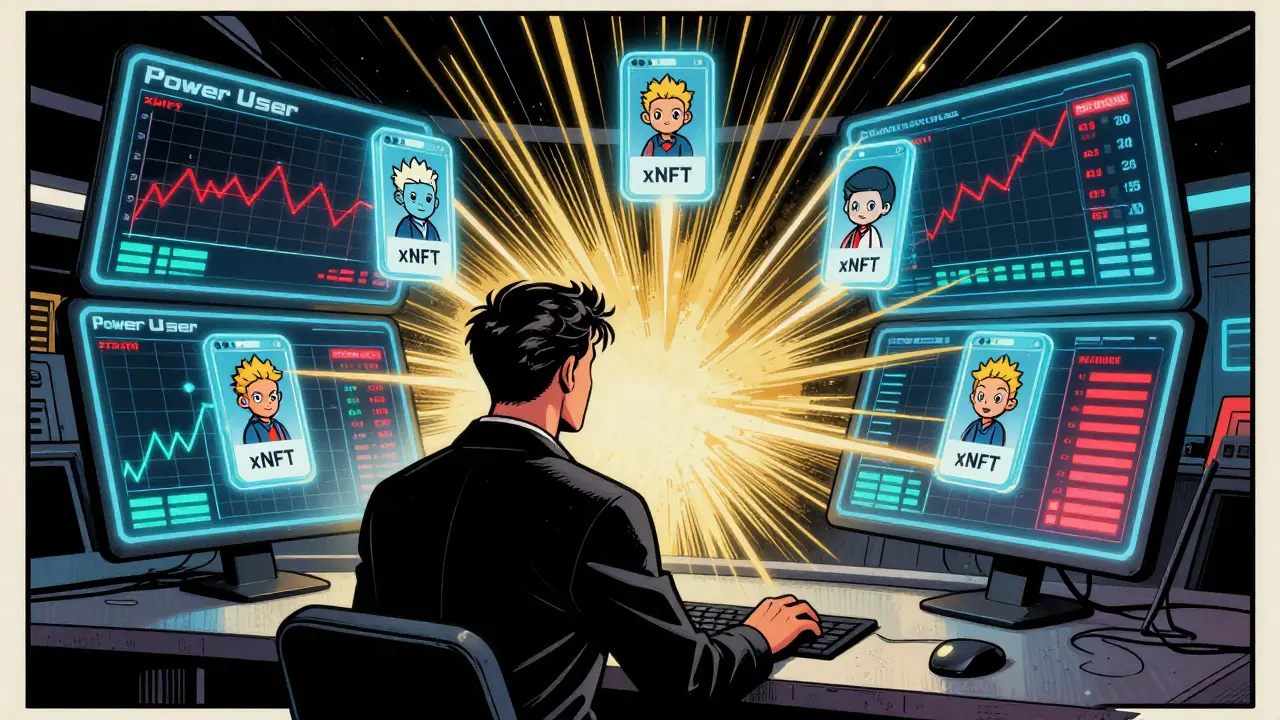
The platform is headquartered in Tokyo and has seen an explosive start, clocking over $60 billion in trading volume in its first year. This growth isn't just about marketing; it's tied to the Mad Lads community. These aren't just JPEGs; they are part of an xNFT ecosystem that allows the NFT to act as a functional app within the wallet, giving holders early access to features and a direct line to the developers.
Trading Features and Technical Edge
If you're just buying and holding, Backpack is fine. But if you actually trade, the technical nuances here are where the platform shines. One of the most interesting features is their interest-bearing perpetual contracts. Usually, when you trade perps, your collateral just sits there. On Backpack, you can earn yield on your positions while you trade. They also use a system that realizes profit and loss automatically, so you aren't forced to close a position just to lock in gains.
For those managing complex strategies, the cross-collateral and sub-account system is a lifesaver. It lets you isolate your risks across different accounts so one bad trade doesn't wipe out your entire portfolio. On the passive income side, they offer a non-custodial lending protocol. You can lend out SOL, USDC, BTC, and ETH. Just a heads-up: if you're in the US, these lending services are off-limits due to local laws.
Breaking Down the Costs
Fees are usually the biggest pain point for traders. Backpack keeps it simple with a maker-taker model. If you provide liquidity (maker), you pay 0.085%. If you take it (taker), it's 0.095%. To make it even more attractive, they've set the fees for USDT/USDC pairs to zero. If you're moving millions in stablecoins to hedge your portfolio, this is a massive saving compared to the big-name exchanges.
| Feature | Rate / Fee | Notes |
|---|---|---|
| Maker Fee | 0.085% | Standard limit orders |
| Taker Fee | 0.095% | Market orders |
| Stablecoin Pairs | 0% | USDT/USDC only |
| BTC Interest | 0.03% | Compound interest applied |
| ETH Interest | 0.04% | Compound interest applied |
New users can currently snag a 10% discount on these fees, which is a nice welcome gift, though not a game-changer in the long run. One quirk to note: not every coin earns interest. For example, if you're holding Dogecoin, don't expect a yield-it's currently excluded from their interest-bearing services.
The Big Question: Is Your Money Safe?
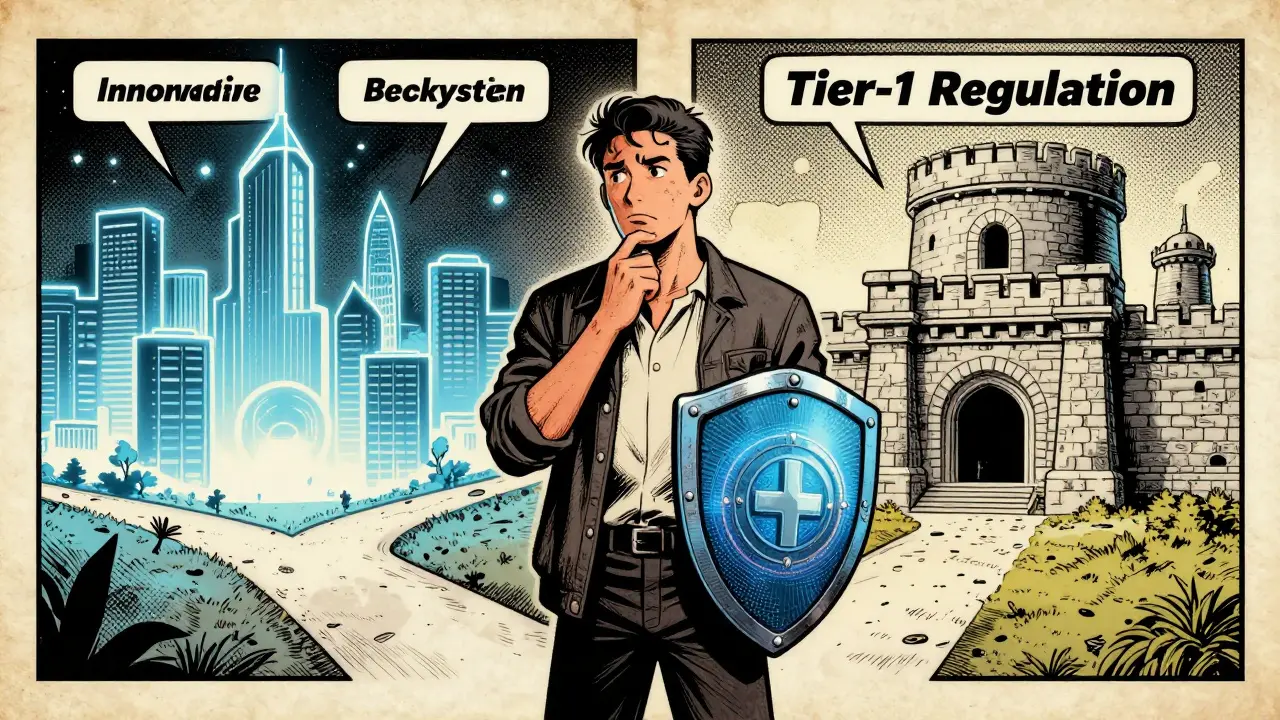
This is where the review gets tricky. If you look at Backpack's marketing, they claim to be "fully regulated" and highlight their authorization in Dubai. However, if you're looking for Tier-1 regulation-the kind of oversight you get from the FCA in the UK, ASIC in Australia, or the SEC/CFTC in the US-you won't find it here. This gap is why some auditors, like Traders Union, give them a low safety score despite a clean track record of no hacks.
Security-wise, the basics are covered. They use cold wallet storage for the bulk of assets and mandate two-factor authentication (2FA). But they are missing a few industry standards that the "giants" have. There is no facial recognition security and, more importantly, no investor protection fund (like Binance's SAFU). If the exchange were to go under, there isn't a guaranteed pot of money to pay back users.
That said, their integration with a self-custodial wallet is a huge security win. Instead of keeping all your assets on the exchange, you can keep the majority in your wallet and only move what you need for a specific trade. It's the most effective way to mitigate the risk of a centralized platform failure.
Backpack vs. The Industry Giants
How does it stack up against the likes of OKX or Kraken? In terms of raw security infrastructure, they are comparable-everyone is using cold storage and 2FA now. Where they lose is in the regulatory moat. Kraken and OKX have spent years getting licenses in multiple jurisdictions, which provides a level of legal recourse that Backpack simply hasn't established yet.
But Backpack wins on innovation. You won't find xNFTs or the same level of Solana-native fluidity on those platforms. While the giants are trying to add "Web3 features' to a legacy system, Backpack was built from the ground up as a Web3 tool. If you value cutting-edge features and community integration over a government license, Backpack is the clear winner.
Who Should Actually Use This?
If you are a beginner who just wants to buy $100 of Bitcoin and forget about it, you might prefer a more heavily regulated platform with an insurance fund. The lack of Tier-1 regulation is a legitimate risk factor for a novice.
However, if you're a "power user" who already uses Solana for DeFi, collects NFTs, and wants a seamless transition between their wallet and an exchange, Backpack is practically tailor-made for you. The ability to trade perps while earning yield, combined with zero-fee stablecoin swaps, makes it a formidable tool for active traders.
Does Backpack Exchange have a license in the US?
No, Backpack Exchange does not hold Tier-1 regulatory approval in the United States. While they have authorization in Dubai, they lack the specific licenses required for full government regulation in the US, which is why certain services like lending are unavailable to US residents.
What are the trading fees on Backpack?
The platform uses a maker-taker model with maker fees at 0.085% and taker fees at 0.095%. A standout feature is that trading pairs for USDT and USDC have zero fees.
What is an xNFT and why does it matter?
An xNFT is an "executable NFT." Unlike a standard image, an xNFT can function as a mini-app within the Backpack Wallet. For users, this means the NFT can provide utility, such as special access to exchange features or community rewards, directly through the interface.
Is there a protection fund if the exchange is hacked?
Currently, Backpack Exchange does not have a formal investor protection fund. While they have a clean security record and use cold storage, there is no guaranteed insurance fund to reimburse users in the event of a major breach.
Can I earn interest on all my coins?
Not all assets are eligible for yield. For instance, Bitcoin earns around 0.03% and Ethereum earns 0.04%, but other assets like Dogecoin are specifically excluded from these interest-bearing services.
Next Steps for New Users
If you're ready to try the platform, don't just dump all your funds into the exchange. Start by downloading the Backpack Wallet. This allows you to keep your assets in your own control while you explore the trading interface. Once you're comfortable with the layout, move only the amount you intend to trade. For those interested in the social aspect, keep an eye on the Mad Lads community developments, as much of the platform's future utility is being tied to that ecosystem.
![What Is Sun [New] (SUN) Crypto? Tokenomics, Governance, and TRON DeFi Guide](/uploads/2026/07/thumbnail-what-is-sun-new-sun-crypto-tokenomics-governance-and-tron-defi-guide.webp)
There are 1 Comments
Lela Singh
This is such a gem for Solana fans! The zero-fee stablecoin swaps are an absolute game changer for anyone trying to maximize their gains without getting eaten alive by fees. 🚀
Write a comment
Your email address will not be published. Required fields are marked *