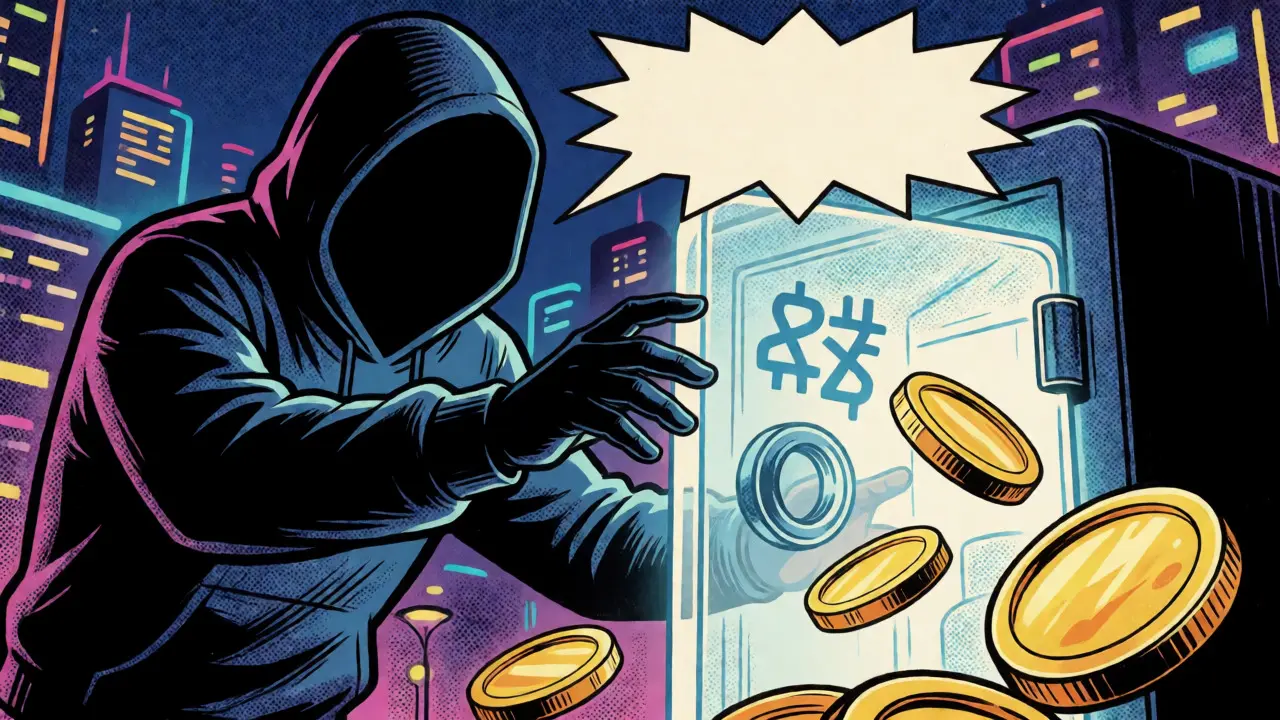
Imagine waking up to find your portfolio wiped out. Not because Bitcoin crashed, but because a hacker slipped through the digital front door of your exchange. In the first half of 2025 alone, criminals stole $1.93 billion from crypto platforms. That’s a 37.8% jump from the previous year. The threat isn't going away; it’s getting smarter, faster, and more personal. If you leave your money on an exchange without locking down your account, you’re essentially leaving your house keys under the mat.
You don’t need a computer science degree to secure your assets. You just need to follow a few strict rules that separate safe traders from cautionary tales. This guide breaks down exactly how to protect your funds against the specific threats we see today, from API hacks to AI-powered scams.
The Reality of Exchange Risks Today
Exchanges are honeypots. They hold massive amounts of value in one place, making them prime targets. But the risk isn't just about the exchange itself failing. It’s about your individual account being compromised. Recent data shows that 83% of breaches in 2025 didn't start with a complex blockchain exploit. They started with a compromised private key or a weak login process. Think about the Mt. Gox collapse back in 2014, where 850,000 BTC vanished. While that was an internal failure, modern hacks often target the user directly. Attackers use sophisticated tools to mimic support agents or trick you into approving malicious transactions.
The environment has changed since those early days. Exchanges now spend nearly a third of their operational budgets on security. Companies like Coinbase and Kraken allocate significant resources to insurance and technical defenses. However, they can only do so much if you hand over the keys willingly. Understanding this dynamic is the first step toward true security. You are the final line of defense.
Mastering Authentication: Beyond SMS
If you are still using SMS-based two-factor authentication (2FA), you are vulnerable. SMS is convenient, but it’s not secure. Hackers can intercept text messages through SIM swapping attacks, where they convince your mobile carrier to transfer your phone number to a new device. Once they have your number, they can reset passwords and lock you out.
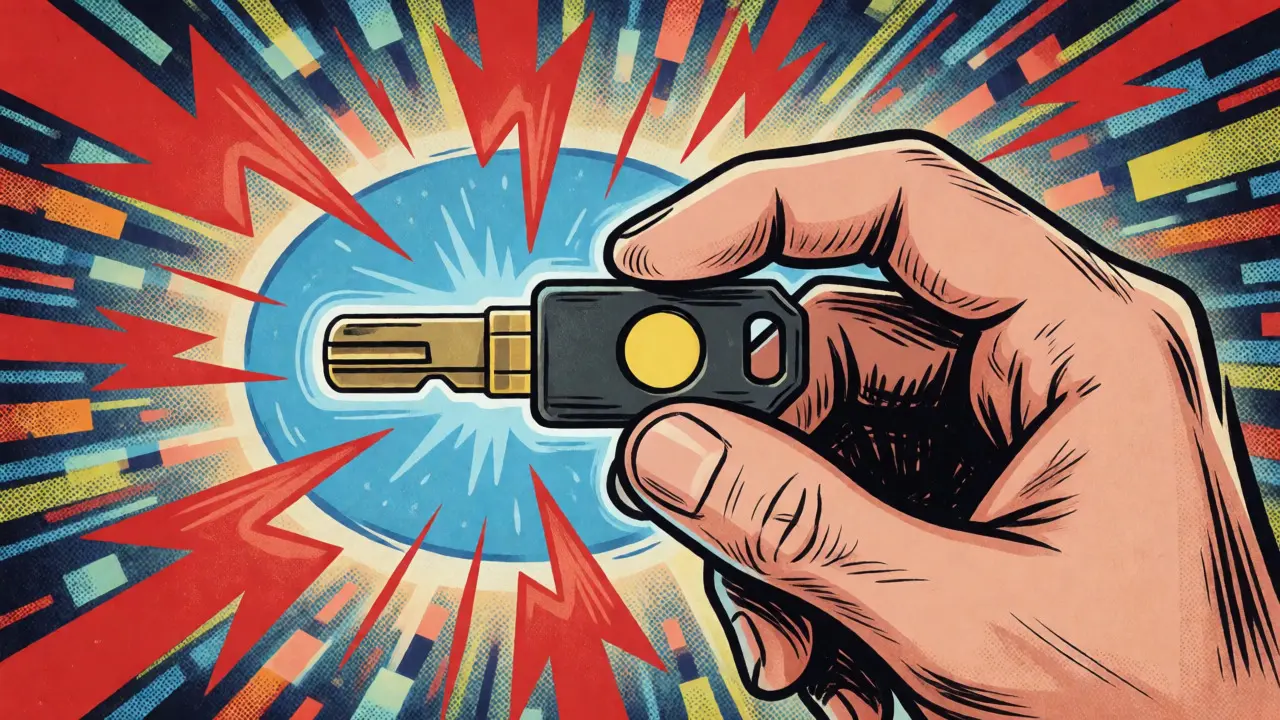
Biometric 2FA is a phishing-resistant authentication method using hardware tokens or biometric data that prevents unauthorized access even if passwords are stolen. Switching to app-based authenticators like Google Authenticator or Authy is better, but hardware keys are best. Standards like WebAuthn and FIDO2 allow you to use a physical key or your fingerprint to log in. These methods are immune to phishing sites because the cryptographic challenge is tied to the specific domain. If a fake site tries to trick you, the hardware key won’t sign the request. Arkose Labs reports that biometric 2FA achieves a 99.98% protection rate against account takeovers, compared to a shaky 78% for SMS.
Cold Storage: The Ultimate Safety Net
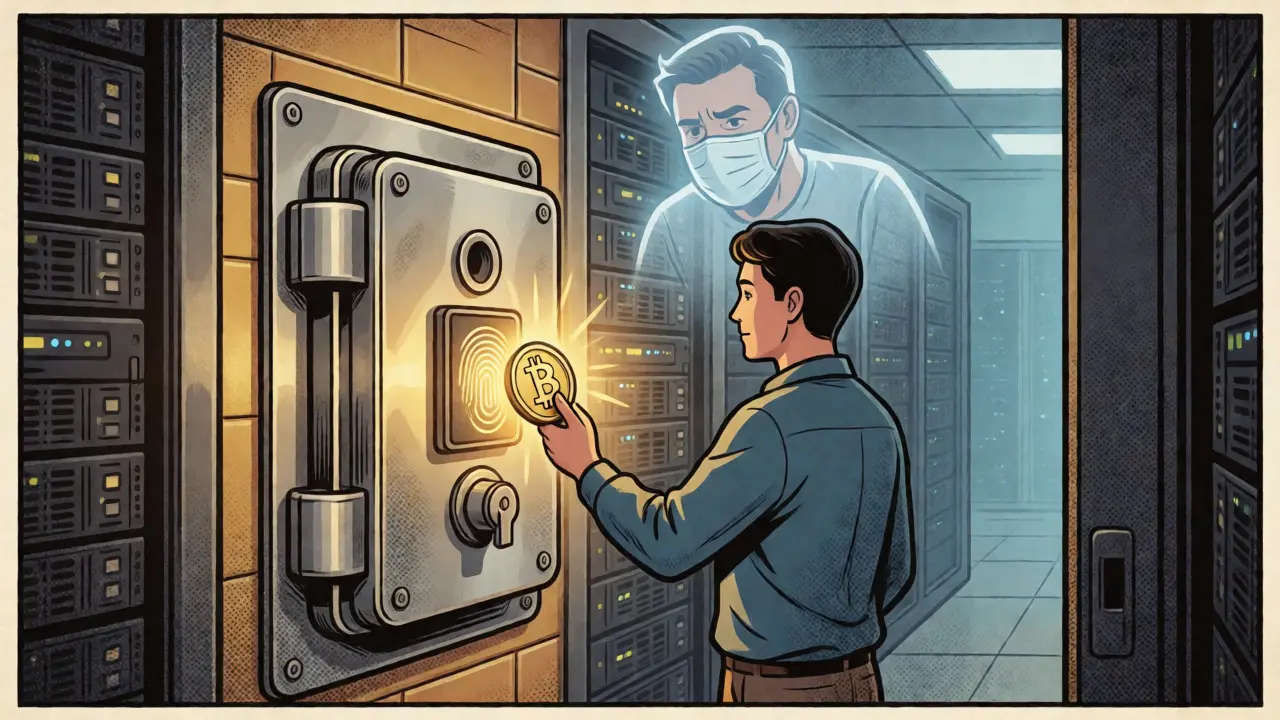
Not your keys, not your coins. This old saying holds more weight than ever. Keeping large amounts of cryptocurrency on an exchange exposes you to platform risk. Even if the exchange doesn’t get hacked, regulatory freezes or insolvency can lock your funds away. The solution is Cold Storage is a method of keeping cryptocurrency offline in hardware wallets or paper wallets to protect against online hacking attempts.
Most reputable exchanges already keep 95-98% of customer funds in cold storage. But you should take this further for your own holdings. Move long-term investments to a hardware wallet like Ledger or Trezor. These devices keep your private keys isolated from the internet. When you make a transaction, you physically confirm it on the device. This stops malware on your computer from silently changing destination addresses. For smaller trading balances, keeping them on the exchange is fine, provided you enable all other security features. But for anything you plan to hold for months, get it off the platform.
Withdrawal Whitelists and IP Restrictions
One of the most effective yet ignored features is the withdrawal whitelist. By default, many exchanges allow withdrawals to any address. A hacker who gets into your account can simply send your funds to their own wallet. With a whitelist enabled, you must pre-approve specific addresses before any funds can leave. This adds a crucial layer of friction that stops automated scripts and quick thefts.
Pair this with IP restrictions. Most major exchanges allow you to limit logins to known IP addresses. If someone tries to access your account from a different location, they’ll be blocked until you verify the attempt via email or 2FA. During a March 2025 incident at Binance, DDoS mitigation handled attacks up to 2.4 Tbps, but user-side controls stopped individual account breaches. One Reddit user reported preventing a $47,000 theft solely because their IP restriction alert triggered when a suspicious login occurred. Enable these settings immediately. They cost nothing and save thousands.
Beware of Social Engineering and Deepfakes
Technology protects you from bots, but humans are susceptible to manipulation. Scammers now use AI to clone voices and create realistic deepfake videos. They might call you pretending to be exchange support, claiming there’s a security issue with your account. They’ll ask you to download a "security update" or approve a transaction. Never trust unsolicited calls or messages asking for your seed phrase or requiring you to install software.
In August 2025, a wave of deepfake scams targeting Ledger Live users resulted in $8.3 million in losses. Victims thought they were speaking to official support agents. The scammers used voice cloning technology with 92% accuracy to bypass callback verification. Always initiate contact yourself. If you receive a message about a security breach, go directly to the exchange’s official website or app. Do not click links in emails or DMs. Clipboard hijackers are another common tactic, where malware changes the wallet address you copied to paste into a transaction field. Always double-check the first and last four characters of any address before confirming.
Comparing Centralized vs. Decentralized Security
Your choice of platform dictates your security responsibilities. Centralized exchanges (CEX) offer convenience and some insurance, while decentralized exchanges (DEX) give you control but no safety net.
| Feature | Centralized Exchange (e.g., Coinbase) | Decentralized Exchange (e.g., Uniswap) |
|---|---|---|
| Insurance Coverage | Yes (up to $500M per customer at Coinbase) | No (User bears full risk) |
| Key Management | Custodial (Exchange holds keys) | Non-Custodial (User holds keys) |
| Vulnerability | Hacks, Insolvency, Regulatory Freezes | Smart Contract Bugs, User Error |
| KYC Requirements | Strict (Reduces fraud by 63%) | Minimal/None |
CEXs like Coinbase and Kraken have strict KYC (Know Your Customer) processes. This reduces account takeovers significantly but can slow down onboarding. DEXs like Uniswap rely entirely on smart contract code. If the code has a bug, as seen in the Poly Network hack, funds can disappear with no recourse. Choose based on your comfort level with self-custody versus institutional protection.
Actionable Checklist for Maximum Security
Don’t wait for a breach to act. Spend 45 minutes setting up your defenses today. Here is a prioritized list of actions:
- Enable Hardware-Based 2FA: Replace SMS with a YubiKey or similar FIDO2 token.
- Activate Withdrawal Whitelists: Pre-approve only your personal wallet addresses.
- Set Up IP Restrictions: Limit logins to your home or office network.
- Move Long-Term Holdings: Transfer assets you aren’t actively trading to a hardware wallet.
- Verify Addresses Manually: Always check the first and last characters of recipient addresses.
- Review Connected Apps: Revoke permissions for dApps you no longer use.
Remember, security is a habit, not a one-time setup. Check your settings quarterly. Update your firmware on hardware wallets. Stay skeptical of urgent requests. The goal isn’t paranoia; it’s peace of mind.
Is SMS 2FA safe enough for crypto exchanges?
No, SMS 2FA is considered vulnerable due to SIM swapping attacks. Hackers can trick mobile carriers into transferring your phone number to their device, allowing them to intercept your codes. App-based authenticators or hardware keys are significantly more secure.
What happens if my exchange gets hacked?
It depends on the exchange's policy and insurance coverage. Major exchanges like Coinbase and Kraken maintain insurance funds that may cover losses. Smaller exchanges might reimburse users voluntarily, but there is no guarantee. This is why moving large amounts to cold storage is recommended.
How does a withdrawal whitelist work?
A withdrawal whitelist restricts fund transfers to only pre-approved cryptocurrency addresses. If a hacker gains access to your account, they cannot withdraw funds to a new address without you manually adding it first. This usually requires additional verification steps, buying you time to react.
Are decentralized exchanges safer than centralized ones?
They eliminate custodial risk because you hold your own keys, but they introduce smart contract risk. If the code behind the DEX has a vulnerability, funds can be drained. Additionally, you bear full responsibility for managing your private keys securely. Neither option is inherently 'safer'; they just have different risk profiles.
Can AI really steal my crypto?
AI doesn't steal directly, but it empowers scammers. Voice cloning and deepfake videos allow attackers to impersonate support agents convincingly. They use these tools to trick users into revealing seed phrases or approving malicious transactions. Always verify identity through official channels, never through unsolicited calls.