
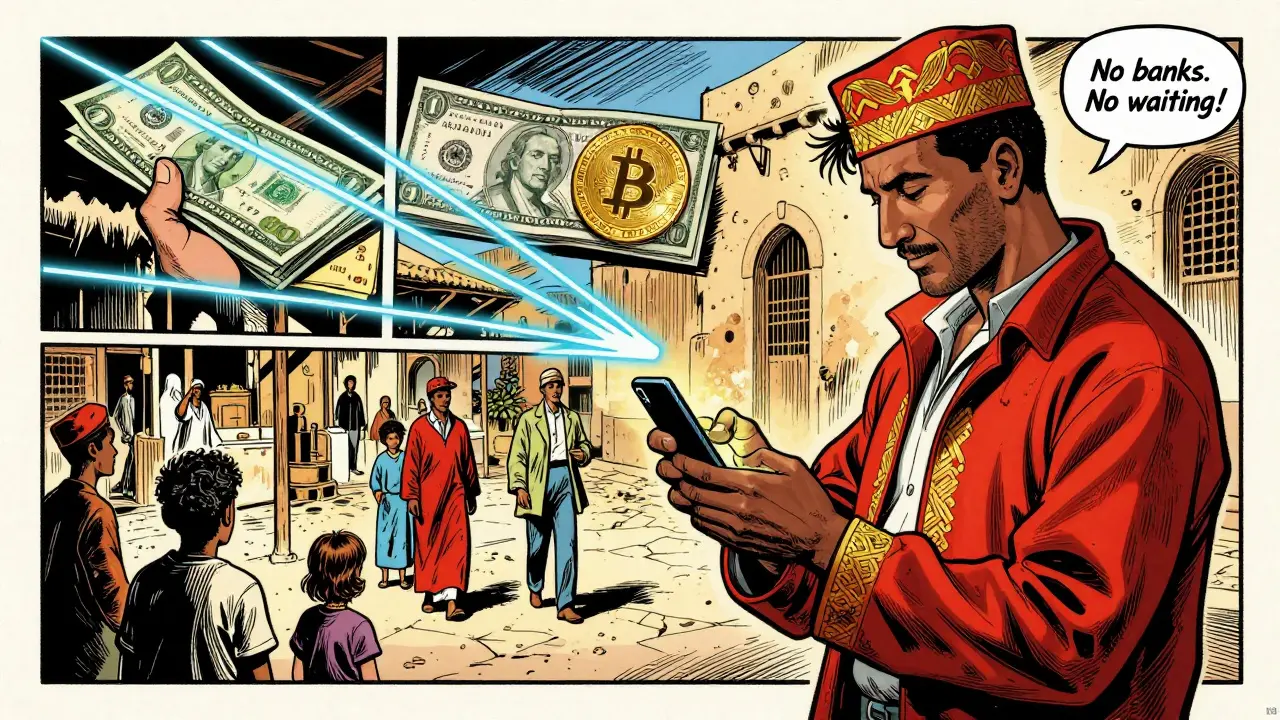
Since November 2017, the Central Bank of Morocco - Bank Al-Maghrib - has made it clear: cryptocurrency is illegal. Trading, buying, or using Bitcoin, Ethereum, or any other digital asset for payments is against the law. But if you walk through Casablanca’s souks, chat with students in Rabat, or listen to workers in Tangier, you’ll hear a different story. People are still using crypto - not for gambling or speculation, but to send money home, pay for goods from Europe, or pay freelancers abroad. And they’re doing it because the official system just doesn’t work for them.
Why the Ban Didn’t Stop Crypto
The ban came with big warnings: no consumer protection, no legal recourse if exchanges collapse, high risk of fraud, and potential links to money laundering. But for millions of Moroccans, the real problem wasn’t risk - it was access. Traditional banks make international transfers slow, expensive, and complicated. Wire transfers can cost up to 8% in fees. They take 3 to 7 days. And if you’re sending money to family in Spain, France, or Canada, you’re often forced to use unreliable intermediaries or overpriced services like Western Union. Meanwhile, crypto works differently. All you need is a smartphone and internet. No bank account. No paperwork. No waiting. Send Bitcoin to a friend in Marseille? Done in minutes. Pay a designer in Berlin? Just scan a QR code. The transaction settles on a public ledger. No chargebacks. No reversals. No middlemen. This isn’t theoretical. A 2025 report estimated that over $278 million in cryptocurrency transactions occurred in Morocco that year - all without official approval. By 2026, that number is expected to hit nearly $292 million. That’s not a glitch. It’s a response.How It Actually Works: The Underground System
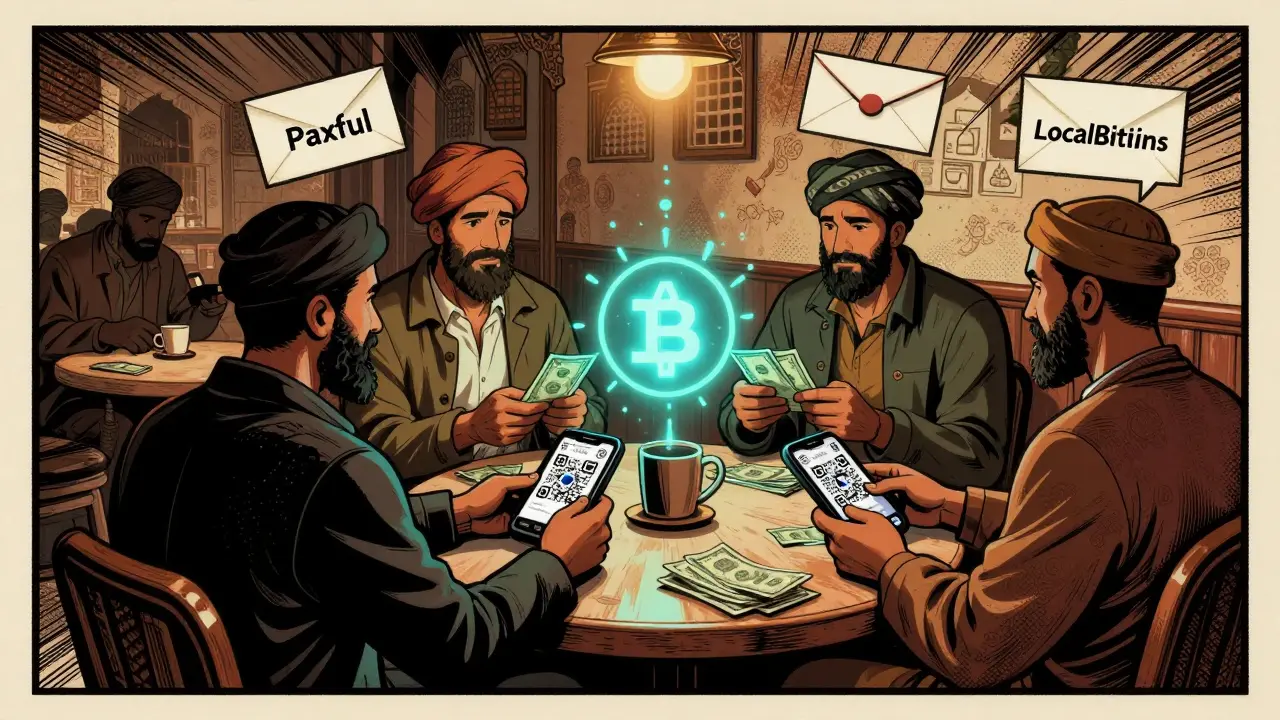
You won’t find crypto ATMs in Moroccan banks. You won’t see ads for Binance or Coinbase on TV. But you’ll find WhatsApp groups. Telegram channels. Local traders in coffee shops. People who buy crypto on peer-to-peer platforms like LocalBitcoins or Paxful using cash or mobile money. Here’s how it typically works:- A worker in France sends dirhams to a trusted local trader in Casablanca via mobile payment apps like CMI or Orange Money.
- The trader buys Bitcoin or USDT (Tether) on a global exchange using the dirhams.
- The crypto is sent to the recipient’s wallet in Morocco - often a family member or small business owner.
- The recipient sells the crypto back to another local trader for cash, or uses it directly to pay for imported goods.
The Real Reason It’s Growing: Diaspora and Trade
Morocco has over 5 million citizens living abroad - mostly in France, Spain, and Belgium. In 2024, remittances from these communities totaled over $10 billion. That’s more than 7% of Morocco’s entire GDP. Most of that money still flows through formal channels, but a growing slice is shifting to crypto. Why? Because traditional remittance services charge an average of 7.2% in fees. Crypto transfers? Often under 1%. That’s life-changing money. Imagine sending $200 home. With Western Union, you pay $14.40. With crypto? Maybe $1.50. That $13 saved? It’s groceries. It’s medicine. It’s a new pair of shoes for your kid. Small businesses are also switching. A rug seller in Fes can now accept crypto from a buyer in Germany. No more waiting for bank clearance. No more currency conversion fees. No more delays from import restrictions. They get paid faster. They keep more profit.What the Government Is Doing - And Why
Bank Al-Maghrib isn’t ignoring this. It’s watching. And it’s building something else. In 2025, the central bank announced it had finalized a draft law to legalize and regulate cryptocurrencies. Not to encourage them. But to control them. The goal? To bring crypto into the open - with licensing, KYC checks, and transaction limits - while still banning unregulated use. At the same time, they’re working with the IMF and World Bank to launch a national digital currency - a Central Bank Digital Currency (CBDC). Unlike Bitcoin, this won’t be decentralized. It’ll be fully controlled by the Moroccan government. Think of it as digital dirhams, but faster, traceable, and designed for cross-border payments. They’re even partnering with Egypt’s central bank. Why? Because North Africa needs a regional solution. If Morocco and Egypt both use CBDCs, sending money between them becomes instant, cheap, and secure. No crypto. No risk. Just state-backed digital money. This isn’t a contradiction. It’s strategy. The government knows crypto isn’t going away. So they’re preparing to replace it with something they can control.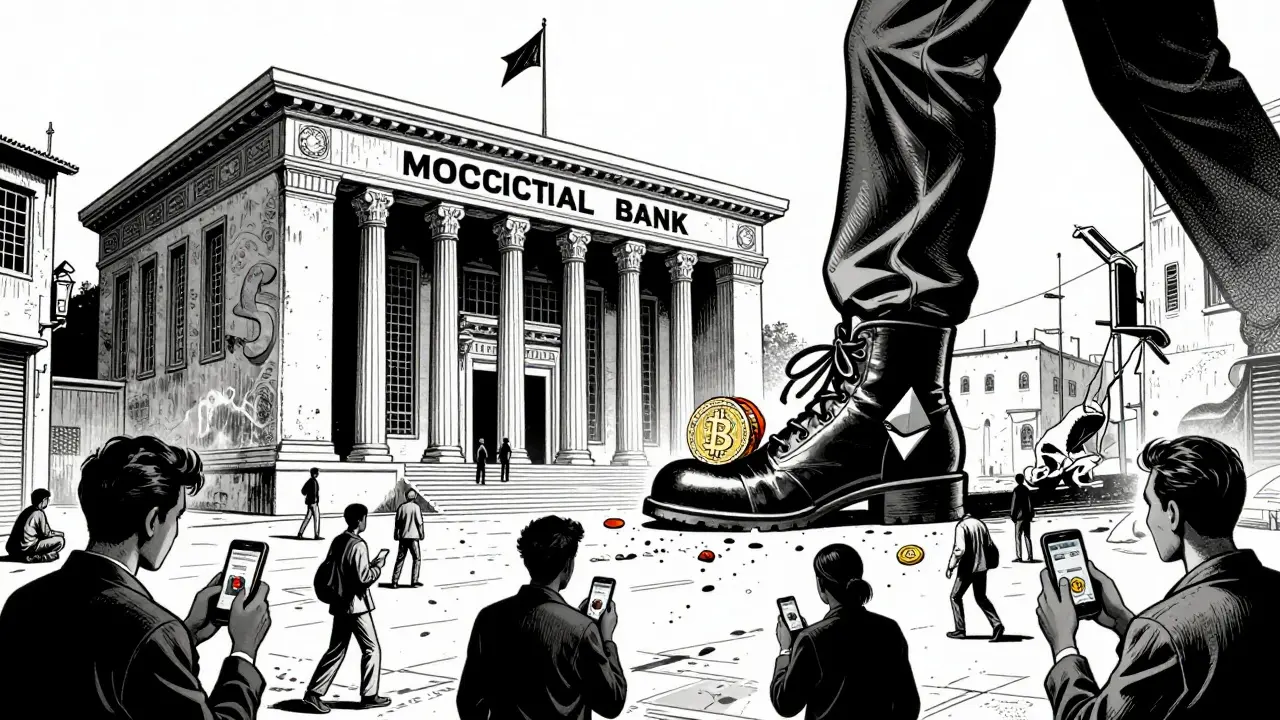



There are 25 Comments
Sarah Hammon
Also, $13 saved on a $200 transfer? That's a week's groceries for someone. We talk about crypto as 'speculation' but for millions, it's survival.
iam jacob
Jesse Pals
It's not crypto, it's just… money being money again. No gatekeepers. No 7% fees. Just trust, networks, and a shared 'we got this' vibe. I’m lowkey inspired.
Diane Overwise
Ann Liu
Jessica Beadle
Tony Weaver
Carol Lueneburg
People aren’t breaking rules - they’re rewriting them. And honestly? I hope Morocco’s CBDC learns from this. Let it be fast. Let it be cheap. Let it be *human*.
Brenda White
Tobias Wriedt
sai nikhil
Sahithi Reddy
George Hutchings
Henrique Lyma
Shreya Baid
Christopher Hoar
Sarah Zakareckis
Dionne van Diepenbeek
Jerry Panson
Katrina Smith
Anastasia Danavath
anshika garg
Bruce Doucette
Marie Vernon
Ross McLeod
Write a comment
Your email address will not be published. Required fields are marked *