
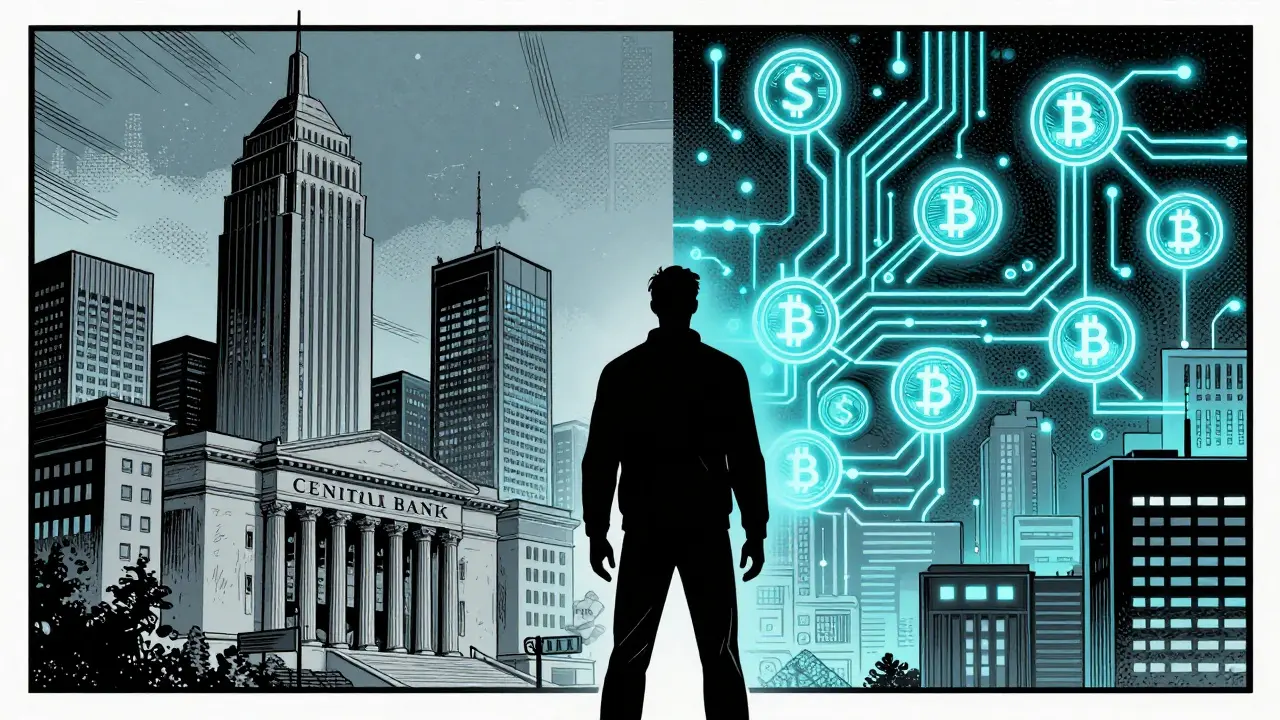
Buying cryptocurrency with Rubles has changed drastically over the last two years. If you walked into this process in 2020, you would have expected simple Visa cards and instant transfers. That isn't how it works anymore. Today, the landscape relies heavily on peer-to-peer networks, specific banking channels, and strict verification rules.
You might wonder why buying crypto is still possible given the international climate. The truth is, the market adapted faster than regulators predicted. According to recent financial stability reports, roughly 18 million citizens now hold digital assets. You aren't alone in this shift, but you do need to know the ropes to avoid losing money to frozen funds or bad trades.
Understanding the Current Regulatory Landscape
The Central Bank of Russia has tightened supervision on crypto-fiat transactions while simultaneously integrating digital currency infrastructure. As of early 2026, the ecosystem is split between traditional state-backed rails and decentralized workarounds. The Digital Ruble system launched officially last year, creating a co-existence scenario rather than a total ban on private coins.
However, Federal Law No. 115-FZ still governs your daily actions. This regulation mandates that any exchange handling Ruble deposits must perform Know Your Customer checks. If you skip verification, you hit a hard ceiling-typically around 600,000 RUB per day for unverified wallets. Once you upload your passport and INN number, that limit jumps significantly, allowing for millions in monthly volume.
The big question remains: where does the cash actually come from? Most major platforms cannot accept direct credit card payments from Western issuers due to SWIFT restrictions. Instead, liquidity flows through localized banking partners. This setup protects your funds but requires you to understand exactly which banks are "green" for transactions.
Choosing the Right Buying Method
You have three main paths to move money into crypto. Each one fits different needs regarding speed, privacy, and transaction size.
Instant Card Swaps
If you want to buy small amounts quickly, services like ChangeNOW remain a strong option. They function as non-custodial swaps, meaning you don't always need an account profile. You simply input the amount you want to send from your Russian bank card, receive the crypto to your wallet address, and wait five minutes. These services report settlement times under ten minutes for RUB pairs.
The downside is limited choice. You usually only get access to a handful of stablecoins or major tokens. Plus, if your bank flags the transaction as suspicious, funds can get stuck before they even reach the processor.
P2P Marketplaces
Peer-to-Peer Trading connects buyers and sellers directly, using the platform as an escrow service for safety. This is the dominant method for most Russian users today. Platforms like Bybit host thousands of sellers who offer their own USDT or Bitcoin at competitive rates. When you pay, the seller releases the crypto from their deposit into your account.
This method offers better exchange rates because you are negotiating with individuals, not a corporate algorithm. A typical spread sits around 0.8%, whereas centralized exchanges often charge upwards of 2%. However, the risk shifts slightly to you. You need to screen sellers carefully to ensure they won't dispute a transfer after releasing funds.
Local Exchanges
Some platforms, such as Bitbanker, operate specifically within the region with deeper banking ties. They support physical cash locations in Moscow and Dubai, which helps if you have large sums of liquid cash sitting around. While convenient, these platforms require full identification upfront. There have been user reports of withdrawal delays during high volatility periods, so check recent reviews before locking in.
Decoding the Banking System
The most critical skill for buying crypto in Russia right now is understanding bank compatibility. Many people get confused when their payment gets rejected instantly. This happens because different banks have different processing agreements with crypto aggregators.
| Bank Indicator | Typical Success Rate | Processing Speed |
|---|---|---|
| Sberbank (Green) | 87% | Standard |
| Tinkoff (Yellow) | 92% | Fastest |
| VTB/Rosbank | Variable | Slow/Restricted |
In P2P communities, these indicators become shorthand. When you see a "Yellow Card" tag on a seller's offer, you know they likely use Tinkoff Bank. Their processing reliability is generally higher than others in the sector right now. If you prefer Sberbank, look for the "Green" label, but keep an eye out for potential holds on large transfers.
Always double-check your specific account status before initiating a trade. Some sub-banks or regional branches have stricter internal compliance filters than the main headquarters. Contacting customer support to clear a block beforehand saves hours of frustration later.
Safety Rules for P2P Transactions
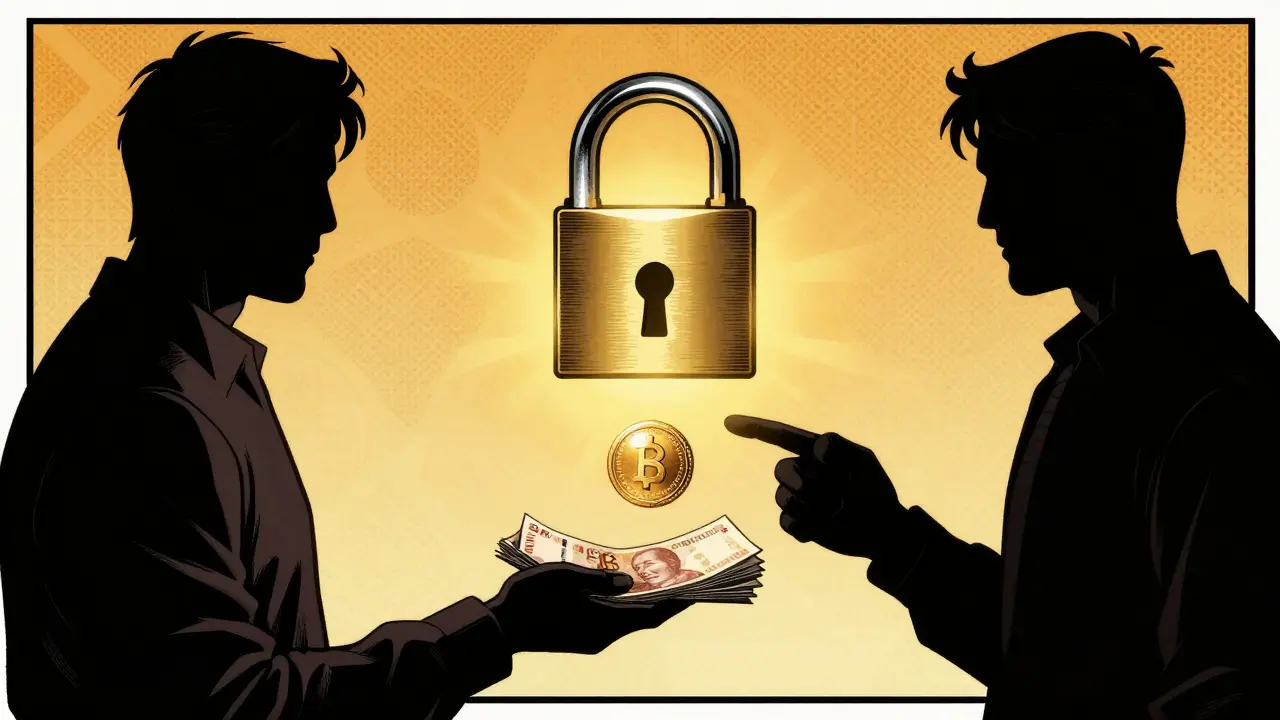
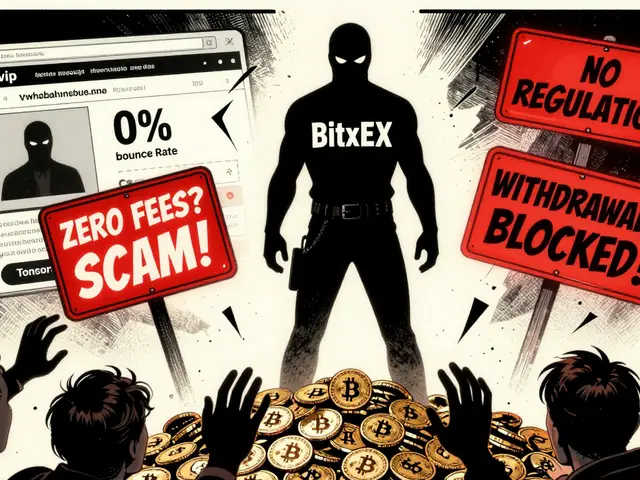
Fraud attempts are the biggest threat to new traders. Sellers can create fake invoices or initiate chargebacks, but you can mitigate this by following strict vetting rules.
- Check completion rates: Only trade with users who have completed more than 50 successful transactions.
- Verify feedback age: New accounts should be avoided entirely until they build history.
- Watch the comments: If multiple recent reviews mention "delayed release," skip that seller.
- Avoid off-platform comms: Never move a conversation to Telegram or WhatsApp. Escrow protection doesn't exist there.
One specific tactic to watch for involves reversed payments. In rare cases, a buyer might receive crypto, then contact their bank claiming fraud. If that bank is cooperative, they reverse the transfer, and the seller loses their asset. Reputable platforms flag these incidents immediately, often banning repeat offenders. Always use the built-in chat system to document every step of the deal.
Step-by-Step Execution Guide
Here is a streamlined workflow to get from Rubles to Crypto safely.
- Select Platform: Open your chosen exchange app (e.g., Bybit, Bitget).
- Navigate to Buy: Go to "Buy Crypto" and select "P2P Trading."
- Filter Currency: Choose USDT as the coin and RUB as the payment method.
- Choose Payment Type: Select your bank card provider (e.g., MIR, Local Card).
- Pick a Seller: Look for those with high completion scores and verified phone numbers.
- Send Payment: Click buy, enter the exact amount shown, and send it via your banking app.
- Mark Paid: Once the money leaves your balance, click "I have sent money" in the app.
- Receive Funds: Wait for the seller to release the crypto automatically or manually.
The entire process usually takes 10 to 30 minutes. If you rush step seven before verifying the money left your account, you risk sending funds to someone who never receives notification, leading to disputes.

Tax and Compliance Considerations
Holding assets is legal, but tax obligations depend on how you use them. The Blockchain Association notes significant uncertainty regarding specific declaration forms. Currently, profits made from trading may fall under general income tax categories. You should keep detailed logs of your entry and exit prices.
If you plan to withdraw back to Ruble frequently, expect limits similar to deposit caps. Large withdrawals often trigger additional security reviews that pause funds for up to 48 hours. Planning your exits around weekends or holidays can smooth out these friction points.
Frequently Asked Questions
Is it illegal to buy cryptocurrency in Russia?
Ownership is not prohibited. However, regulations require you to declare large holdings and follow anti-money laundering protocols. Buying for personal use is generally treated as a private activity.
Which banks work best for P2P transactions?
Community data suggests Tinkoff (often labeled Yellow Card) offers the highest success rate around 92%. Sberbank (Green Card) is also popular but sometimes has stricter blocking policies.
Can I buy without identity verification?
Only for very small amounts. Unverified accounts face low daily limits, typically under 600,000 RUB. To trade freely, you must submit a passport and INN.
What happens if my transaction fails?
Disputes are handled by the platform's arbitration team. Provide screenshots of your transfer proof. Avoid releasing funds until the seller confirms receipt.
Are there fees associated with swapping RUB for crypto?
Fees vary by method. Card swaps often charge 1.5% to 3.9%. P2P trading is cheaper, averaging 0.5% to 2.0%, but depends on the spread offered by the seller.


There are 15 Comments
Leona Fowler
The banking matrix presented here actually reflects the operational reality most traders face daily in Moscow regions. Sberbank green cards remain reliable for standard transfers yet they frequently flag amounts exceeding five hundred thousand rubles for manual review. Tinkoff processing speed is undeniably superior because their automated filters align better with crypto aggregator APIs. You must understand that VTB and Rosbank operate under older legacy systems which often reject incoming payments from known P2P wallet addresses entirely. Verification procedures require uploading passport scans through the app before any transfer request clears the initial gateway. Many users underestimate the time delay inherent in identity validation protocols during high volume trading hours. A verified account unlocks monthly limits that accommodate institutional scale positions without triggering security blocks. It is advisable to test smaller transactions first before committing significant capital to any new seller profile. The escrow mechanism provides necessary protection yet it does not cover chargeback risks initiated by buyers at the bank level. Sellers who display verified phone numbers usually maintain higher trust scores within the community ecosystem. Feedback age matters more than total transaction count when evaluating reliability metrics for large swaps. Avoiding off-platform communication channels is essential because external chat apps offer zero legal recourse for disputes. Transaction logs should be saved locally in case you need to prove source of funds to tax authorities later. Digital Ruble infrastructure changes will likely impact these fiat on-ramps within the next fiscal quarter significantly. Always confirm receipt notifications before clicking release buttons.
Pradip Solanki
liquidity fragmentation across regional nodes creates substantial slippage risks if you ignore order book depth analysis while executing via p2p interfaces most retail investors fail to grasp the counterparty exposure inherent in direct settlement paths without understanding blockchain finality times
Aman Kulshreshtha
Just use Tinkoff for now it gets the job done quickly.
Annette Gilbert
Wow you really enjoy making simple things sound complicated and someone else is clearly suffering reading that wall of text.
Misty Williams
Adherence to Federal Law No. 115-FZ remains non-negotiable for any responsible citizen engaging in digital asset acquisition. Ignoring KYC protocols jeopardizes both personal standing and the broader economic stability required for legitimate trade. One must prioritize transparency over convenience when handling financial instruments in sanctioned jurisdictions.
Andy Green
The masses cling to P2P exchanges like children holding onto a life preserver despite clear evidence that decentralized bridges offer superior efficiency. People tolerate centralized intermediaries when smart contract routing eliminates the middleman entirely for professional operations. True sophistication requires bypassing these clumsy banking rails altogether for those with adequate hardware and knowledge. Retail sentiment suggests most users lack the technical acumen to utilize privacy coins effectively without sacrificing exit liquidity. We observe a regression to primitive payment methods due to regulatory fear mongering rather than actual necessity.
Lorna Gornik
You sound so serious lol 😂🤣 honestly smart contracts crash too sometimes and then you lose everything 💸 not worth the risk 😱👍
Shelley Dunbrook
It is quite amusing that guides still reference Sberbank as a viable option given their historical interference patterns with digital finance tools. Perhaps the author assumes readers possess unlimited patience for frozen accounts and lengthy arbitration sessions. This outdated optimism serves no purpose beyond generating ad revenue for the hosting platform.
DarShawn Owens
I understand your frustration but many people still need access to traditional banking options even if they are imperfect solutions. The community shares workarounds regularly to help individuals navigate these temporary hurdles successfully. It helps to remember that everyone is doing their best under difficult circumstances right now.
Mohammed Tahseen Shaikh
Listen up scammers lurk everywhere waiting to drain your wallet dry so watch your back carefully. Fake invoices come like rainstorms and you get left holding a worthless bag of air if you blink once. Never trust a seller with fresh eyes on the board because they are wolves in sheep clothing ready to bite. Verify identities thoroughly or you will cry yourself to sleep later counting zeros instead of tokens.
kavya barikar
Trust is the ultimate currency in a decentralized system where anonymity reigns supreme.
Cordany Harper
Absolutely true regarding trust dynamics especially when physical cash options exist in Dubai for high net worth individuals.
Jenni Moss
Everyone needs to stay strong and keep trying even when the banks seem determined to block every single path forward! The struggle is real but we will find a way through this chaos together!
vu phung
The integration of layer two solutions will eventually reduce friction costs significantly allowing smoother fiat on-ramping experiences. Market maturation suggests a bright future for cross border settlements soon enough.
Anand Makawana
Yes! That is exactly what I hope for! The technology is improving rapidly! We must remain patient and optimistic! Keep checking the news daily!
Write a comment
Your email address will not be published. Required fields are marked *