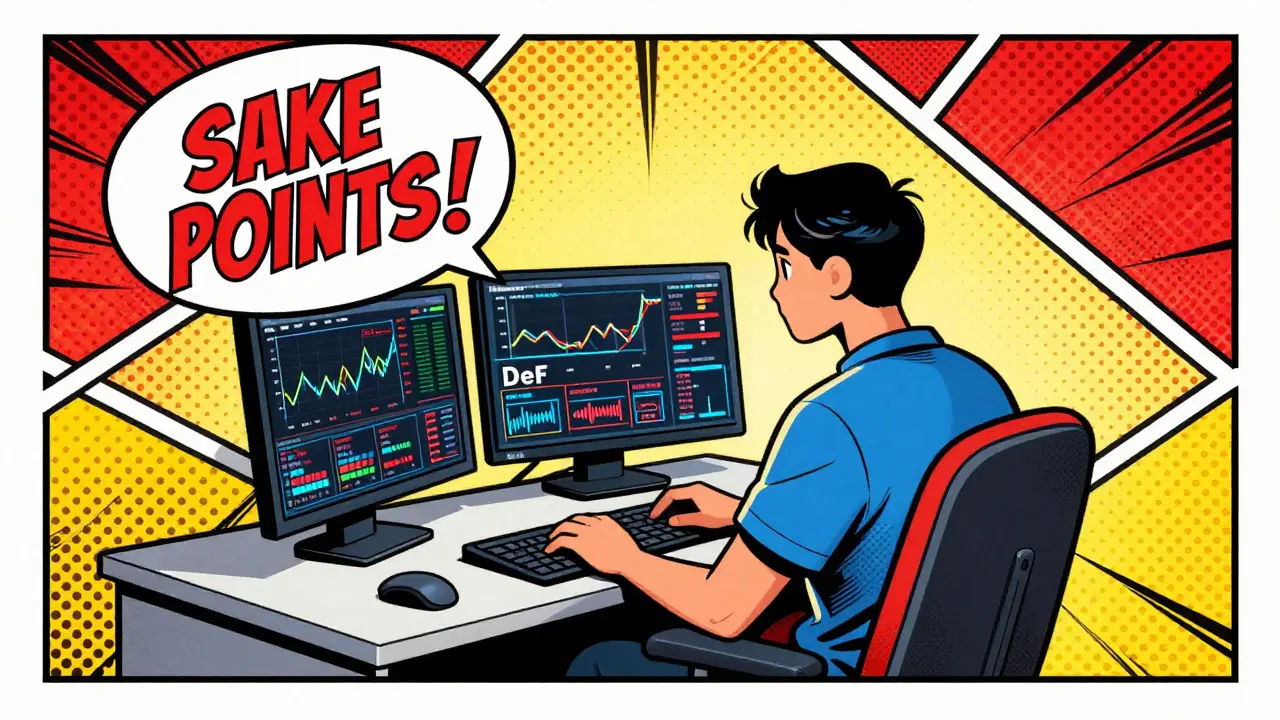
The crypto world moves fast, and if you missed the early days of major DeFi protocols, it’s easy to feel left behind. But right now, there is a significant opportunity brewing in the form of the SAKE token ecosystem. This isn't just another quick pump-and-dump; it’s a comprehensive governance token supporting both spot trading via SakeSwap and perpetual futures through SakePerp. More importantly for your wallet, the newer lending protocol, Sake Finance, has launched a retroactive points system known as "Sake Points." These points are widely expected to convert into actual SAKE tokens later, rewarding early adopters who actively use the platform.
If you want to position yourself for this potential distribution, you need to understand exactly how the system works. It’s not enough to just hold a token; you have to interact with the protocol on the Soneium network. This guide breaks down everything you need to know about earning Sake Points, from setting up your wallet to maximizing your yield without getting liquidated.
Understanding the SAKE Ecosystem and Airdrop Mechanics
To maximize your chances, you first need to grasp what you’re interacting with. The SAKE token is unique because it serves as the governance backbone for multiple distinct platforms. Originally, SakePerp was built for perpetual contract trading. Unlike traditional exchanges that rely heavily on funding rates, SakePerp uses a vAMM (virtual Automated Market Maker) combined with an Oracle dual price discovery mechanism. This keeps contract prices tightly aligned with spot prices by feeding external data rather than forcing traders to pay or receive funding fees constantly.
Alongside SakePerp, there is SakeSwap, which handles spot trading and Initial Liquidity Offerings (ILOs). If you provide liquidity here, you can earn additional SAKE rewards through farming campaigns. However, the current hot topic for airdrop hunters is Sake Finance. This is a lending and borrowing protocol built on the Soneium blockchain. It operates on a "points-first" model. You don’t get tokens immediately; instead, you accumulate Sake Points. These points act as a proxy for future token allocation and governance power. The team has kept specific distribution details under wraps, but the strategy is clear: active participation equals higher point balances.
Step-by-Step: How to Start Earning Sake Points
Getting started requires a bit of technical setup, but it’s straightforward if you follow the steps carefully. You cannot participate using standard centralized exchange wallets; you need a self-custody Web3 wallet.
- Connect Your Wallet: Go to the Sake Finance Rewards Program page. You will need to connect a compatible wallet like MetaMask or use WalletConnect. Make sure you approve the connection requests and sign any participation confirmation messages that pop up. This signature proves you are a real user, not a bot.
- Verify Social Presence: The protocol values community engagement. You must follow SakeFinance on Twitter (X) and join their Discord server. In Discord, look for the "Sipper role." This role confirms your community involvement and is often a prerequisite for certain bonus multipliers or quest completions.
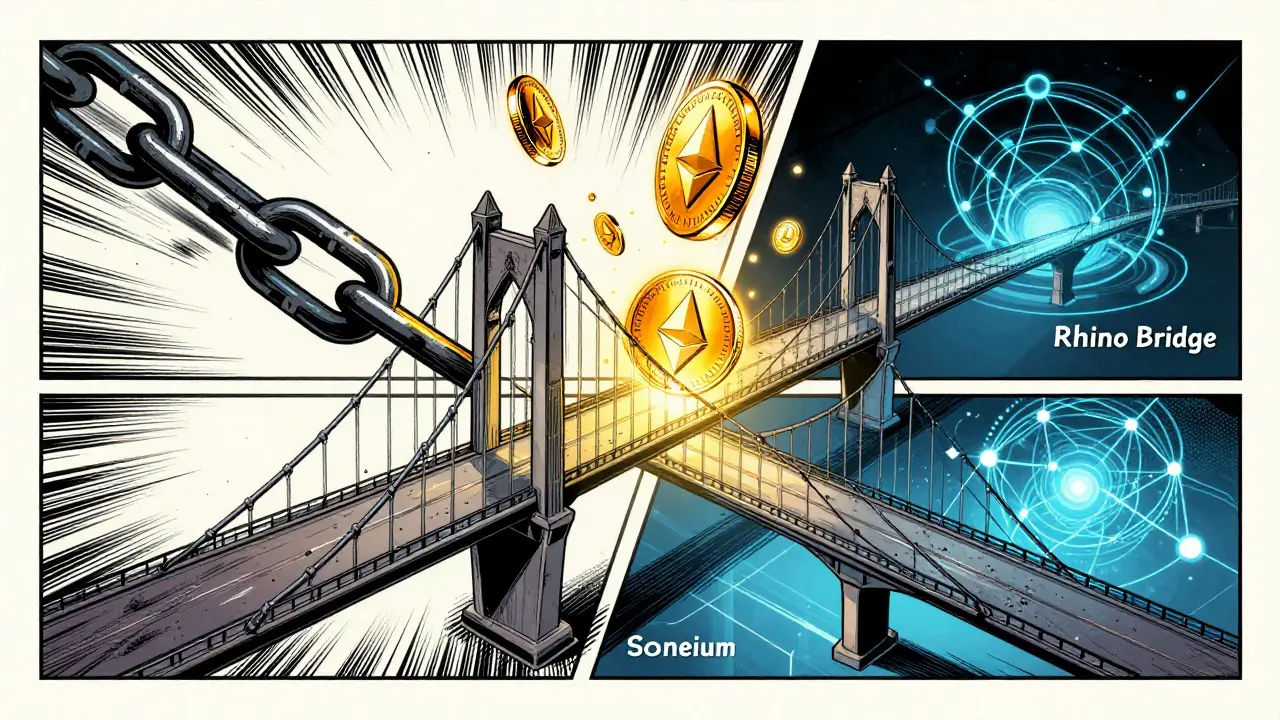
- Bridge Assets to Soneium: Sake Finance lives on the Soneium network. If your assets are on Ethereum Mainnet or Binance Smart Chain, you need to move them. Purchase ETH or USDC from a major exchange like Binance, then use the Rhino Bridge to transfer these assets to Soneium. Crucially, keep some native SONE tokens in your wallet to cover gas fees for transactions.
- Supply Collateral: Once your funds are on Soneium, go to the Sake Finance interface. Deposit assets such as ETH, WETH, ASTR, or USDC.e. These deposits count as "supply" activity, which generates points.
- Borrow Assets: To increase your point accumulation, use your supplied collateral to borrow other assets. For example, supply USDC.e and borrow ETH. Just remember to monitor your health factor closely.
Maximizing Your Point Accumulation Strategy
Earning points isn't just about depositing money and walking away. The algorithm favors active users. Here is how you can boost your score significantly.
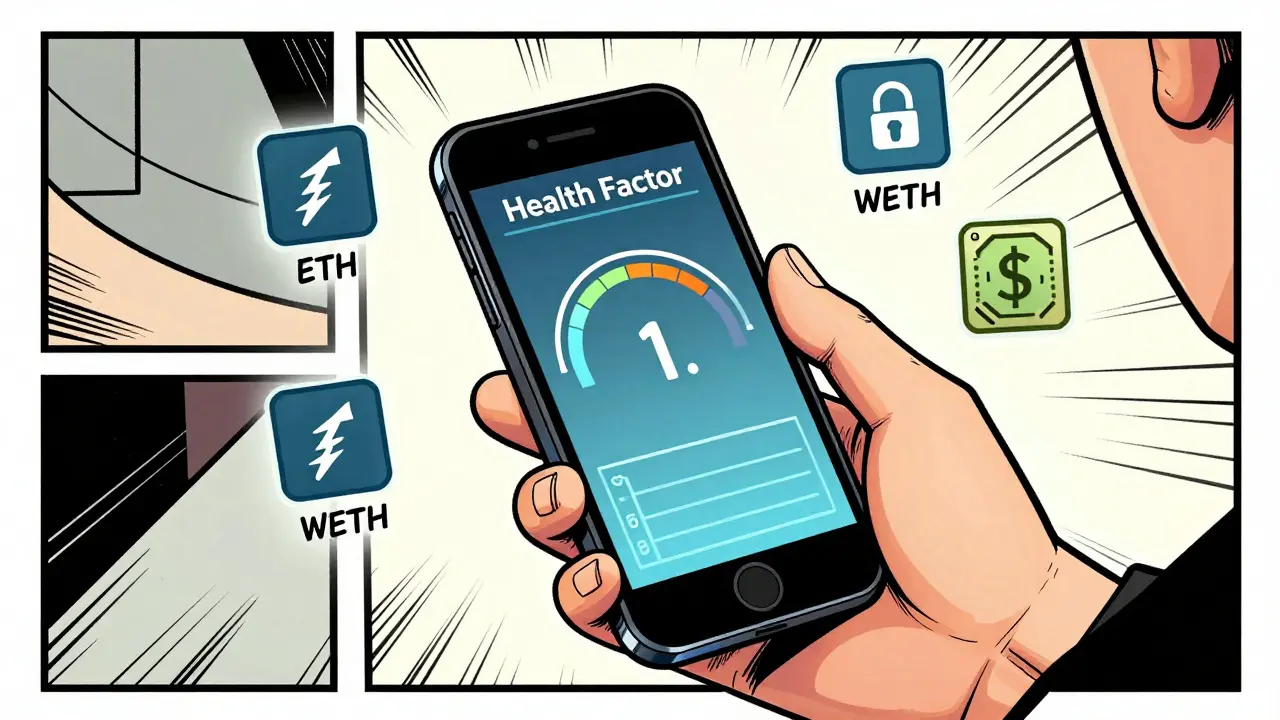
Maintain Healthy Supply-to-Borrow Ratios: Every time you borrow, your position becomes riskier. Sake Finance calculates a "Health Factor" by comparing the value of your collateral to the amount you’ve borrowed. If your Health Factor drops below 1, your position faces liquidation risk. To maximize points safely, keep your ratio comfortable. Don't max out your borrowing power. A healthy margin ensures your position survives market volatility while continuing to generate points over time.
Diversify Supported Assets: The protocol supports multiple assets including ETH, WETH, ASTR, and USDC.e. Each asset may have different collateral factors and APY rates. Interacting with various pairs can sometimes trigger higher point multipliers compared to sticking to a single asset. Try supplying ETH one week and USDC.e the next to show diverse usage patterns.
Complete Layer3 Quests: Layer3 is a popular quest platform in the crypto space. Sake Finance has integrated with it. Connect your wallet to Layer3 and complete the specific tasks listed under the Sake Finance campaign. These tasks usually involve simple actions like following social accounts, joining Telegram groups, or making your first transaction. Completing these quests adds a substantial chunk of points to your total balance.
Engage in Partner Protocols: Keep an eye on announcements regarding liquidity provision in partner protocols. Sometimes, providing liquidity in associated DEX pools yields extra Sake Points. Check the official Discord channels regularly for these limited-time opportunities.
Risk Management: Protecting Your Capital
While chasing airdrops is exciting, it involves real financial risk. You are locking up capital in smart contracts on a relatively new chain like Soneium. Here is how to stay safe.
Monitor Liquidation Prices: As mentioned, maintaining a Health Factor above 1 is non-negotiable. If the market crashes and the value of your collateral drops sharply, you might need to add more funds to avoid liquidation. Set up price alerts for your collateral assets so you aren't caught off guard during volatile nights.
Understand Smart Contract Risks: Sake Finance is a DeFi protocol. While audits are standard practice, no code is 100% immune to bugs. Only deposit funds you can afford to lose. Diversifying your exposure across different chains and protocols is always a wise strategy.
Gas Fee Awareness: Since you are operating on Soneium, ensure you always have enough SONE tokens for gas. Running out of gas in the middle of a critical transaction, like adding collateral before a liquidation event, can be costly. Use the Rhino Bridge efficiently to top up your balance when needed.
| Platform | Primary Function | Supported Network | Reward Mechanism |
|---|---|---|---|
| SakePerp | Perpetual Futures Trading | BSC / Multi-chain | Fee Buybacks & Burns |
| SakeSwap | Spot Trading & ILOs | BSC / Multi-chain | LP Farming Rewards |
| Sake Finance | Lending & Borrowing | Soneium | Sake Points (Airdrop) |
Tracking Your Progress and Future Outlook
You can track your accumulated Sake Points directly through the Rewards page on the Sake Finance dApp. Simply connect your wallet, and your dashboard will display your current point balance. There are no maximum participant limits, meaning anyone can join and start earning. However, the exact number of tokens each point will convert to remains unannounced. The team advises focusing on volume and consistency rather than trying to game the system.
The broader SAKE ecosystem presents a compelling case for long-term holders. With revenue-sharing models where 50% of transaction fees go toward SAKE buybacks and insurance funds, the token has intrinsic utility. As Sake Finance matures, its governance role will likely expand, giving point-holders a say in protocol decisions. By participating now, you aren't just hoping for a free token drop; you're positioning yourself within a growing DeFi infrastructure that combines lending, borrowing, and advanced trading features.
When will the SAKE token actually distribute?
The exact launch date for the SAKE token distribution from Sake Finance's airdrop program has not been announced yet. The team recommends focusing on accumulating Sake Points through active protocol participation. Keep an eye on their official Twitter and Discord channels for updates on the snapshot date and distribution timeline.
What happens if my Health Factor drops below 1?
If your Health Factor drops below 1, your position is at risk of liquidation. This means the protocol may automatically sell your collateral to repay your borrowed debt. To prevent this, you should either add more collateral or repay part of your loan to raise your Health Factor back above 1.
Do I need to bridge assets from Ethereum Mainnet?
Yes, Sake Finance operates on the Soneium network. If your assets are on Ethereum Mainnet or other chains, you must bridge them to Soneium. The Rhino Bridge is a recommended tool for this process. Ensure you also bridge some SONE tokens to cover gas fees for transactions on the network.
Is there a limit to how many points I can earn?
Currently, the Sake Finance airdrop program offers unlimited participation with no maximum cap on the number of points you can accumulate. The more you supply, borrow, and engage with the ecosystem, the more points you will earn. However, specific token allocation amounts per point remain undisclosed.
How does SakePerp differ from traditional perp exchanges?
SakePerp uses a vAMM (virtual Automated Market Maker) plus Oracle dual price discovery mechanism. Instead of relying solely on funding rates to align prices, it feeds external price data to keep contract prices close to spot prices. This structure allows for different arbitrage opportunities and reduces reliance on traditional maker-taker fee models.
Can I participate in the airdrop without using Layer3?
Yes, you can earn Sake Points directly by supplying and borrowing assets on Sake Finance. However, completing quests on Layer3 provides additional points and is highly recommended for maximizing your total accumulation. It acts as a bonus layer on top of your core protocol interactions.
What assets can I supply as collateral on Sake Finance?
You can supply several assets including ETH, WETH, ASTR, and USDC.e. Each asset has different collateral factors and APY rates. Using a variety of these assets can help diversify your risk and potentially increase your point earnings through varied interaction patterns.