
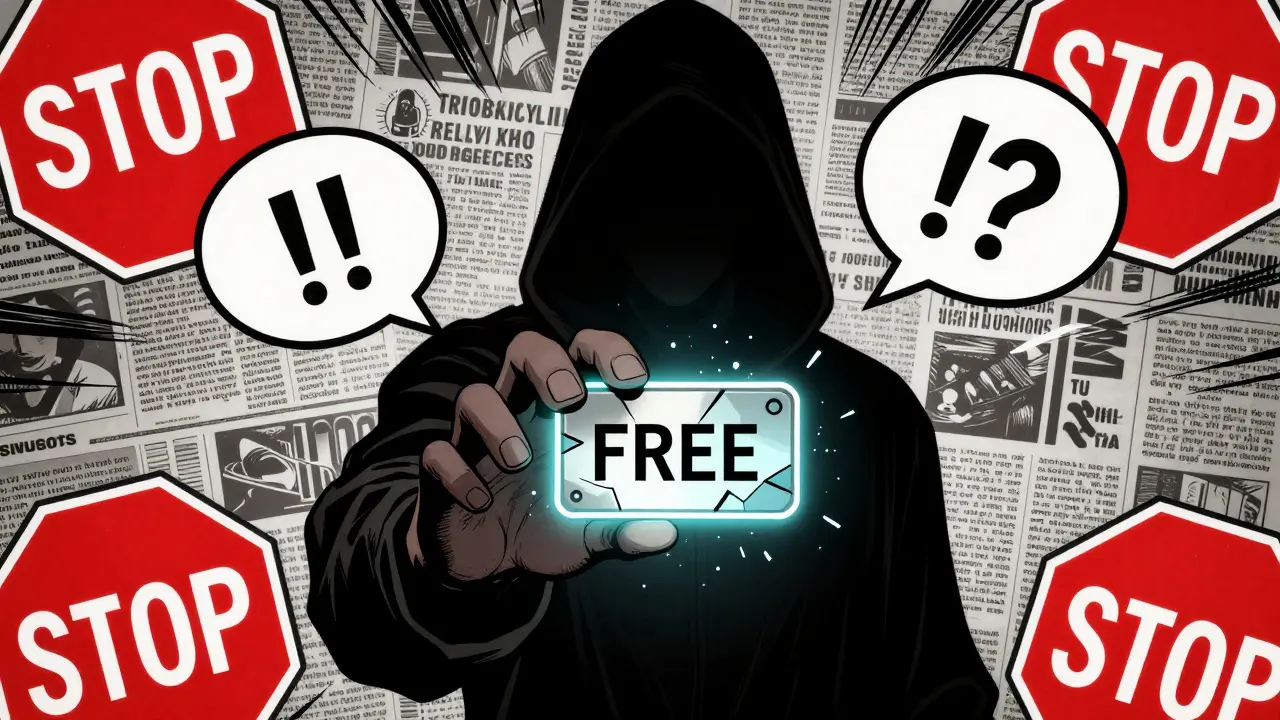
You’ve likely seen the buzz around the SOS Foundation an organization claiming to offer an Initial D Offering (IDO) and a celebratory airdrop. The promise of free tokens is magnetic in the world of cryptocurrency. But before you rush to connect your wallet or sign up for anything, we need to pause and look at the facts. As of mid-2026, there is no verifiable, authoritative information from major financial news outlets, blockchain explorers, or reputable crypto data aggregators confirming a legitimate "SOS Foundation" with a credible IDO launch.
This silence is not just a lack of hype; it is a significant red flag. In the crypto space, legitimacy is built on transparency. If a project cannot be found on CoinMarketCap, CoinGecko, or verified by major auditing firms, you are walking into uncharted territory that often leads to lost funds. This guide will walk you through how to verify if this opportunity is real, what an IDO actually entails, and most importantly, how to protect yourself from potential scams disguised as generous giveaways.
What Is an IDO and Why Do Projects Launch Them?
To understand whether the SOS Foundation claim makes sense, you first need to know what an Initial D Offering (IDO) a fundraising method where new crypto projects sell their tokens directly to investors via decentralized platforms. Unlike an ICO (Initial Coin Offering), which often happens on centralized websites, an IDO takes place on a decentralized exchange (DEX) or a launchpad like Polkastarter, DAO Maker, or Seedify.
The goal of an IDO is twofold: the project raises capital to fund development, and early supporters get access to tokens before they hit the open market. Usually, these tokens are sold at a discount. However, legitimate IDOs require strict due diligence. Reputable launchpads vet projects thoroughly-checking their team identity, smart contract audits, and legal compliance-before allowing them to list. If a project claims to be launching an IDO but bypasses all known launchpads and instead asks you to interact with a standalone website or Telegram bot, it deviates from standard industry practice.
Red Flags: Identifying Potential Scams
The phrase "SOS Foundation IDO LAUNCH CELEBRATION airdrop" triggers several alarm bells common in crypto fraud schemes. Let’s break down why this specific combination of words is concerning.
- Vague Identity: "Foundation" is a generic term. Legitimate foundations have clear governance structures, public board members, and registered entities. A quick search reveals no prominent "SOS Foundation" in the blockchain sector with a track record of successful launches.
- Urgency and Celebration: Scammers use emotional triggers like "celebration," "launch," and "limited time" to push users into acting without thinking. They want you to skip verification steps.
- No Traceable Data: As noted in current research, there are no records of this project on major tracking sites. Legitimate projects generate noise. They have whitepapers, GitHub repositories showing code activity, and active communities on Discord or Twitter with verified badges.
- The "Free Lunch" Myth: While true airdrops exist, they are usually rewards for past activity (like using a protocol) or strategic marketing by well-funded teams. Unsolicited offers of high-value tokens are rarely genuine.
How to Verify Any Crypto Project Before Participating
If you encounter any project claiming to offer an IDO or airdrop, follow this checklist to determine its legitimacy. This process applies to the SOS Foundation claim and any other opportunity you might see.
- Check Major Aggregators: Go to CoinMarketCap or CoinGecko. Search for the token name or project name. If it’s not listed, or if the listing shows zero volume and no market cap history, proceed with extreme caution.
- Verify Smart Contract Audits: Legitimate projects hire third-party firms like CertiK, Hacken, or SlowMist to audit their code. Look for a public audit report linked in their official documentation. If the only "audit" is a PDF hosted on their own website, it’s likely fake.
- Investigate the Team: Are the founders doxxed (identities revealed)? Can you find their LinkedIn profiles? Anonymous teams can sometimes build great products, but in the context of an IDO asking for upfront interaction, anonymity increases risk significantly.
- Analyze Social Proof: Look at their social media. Are the comments organic, or do they look like bots posting "GM" and "To the moon"? Real communities discuss features, bugs, and governance, not just price speculation.
- Domain Age: Use tools like WHOIS to check when the project’s website was registered. If the domain was created last week but claims to have been developing for two years, it’s a scam.
Understanding Airdrop Mechanics and Risks
An Crypto Airdrop the distribution of free tokens to wallet holders, often used for marketing or decentralizing governance. can be a powerful tool for community building. Projects like Uniswap and Arbitrum have distributed billions of dollars worth of tokens to early users. However, these were not random giveaways. They were based on on-chain activity snapshots.
When a project announces a "celebration airdrop," you must ask: What is the criteria? Legitimate airdrops require you to hold certain assets, interact with specific contracts, or complete tasks that prove you are a real user. If the SOS Foundation or similar projects simply ask for your email address or wallet connection to "claim" tokens, they may be harvesting data or preparing to drain your wallet.
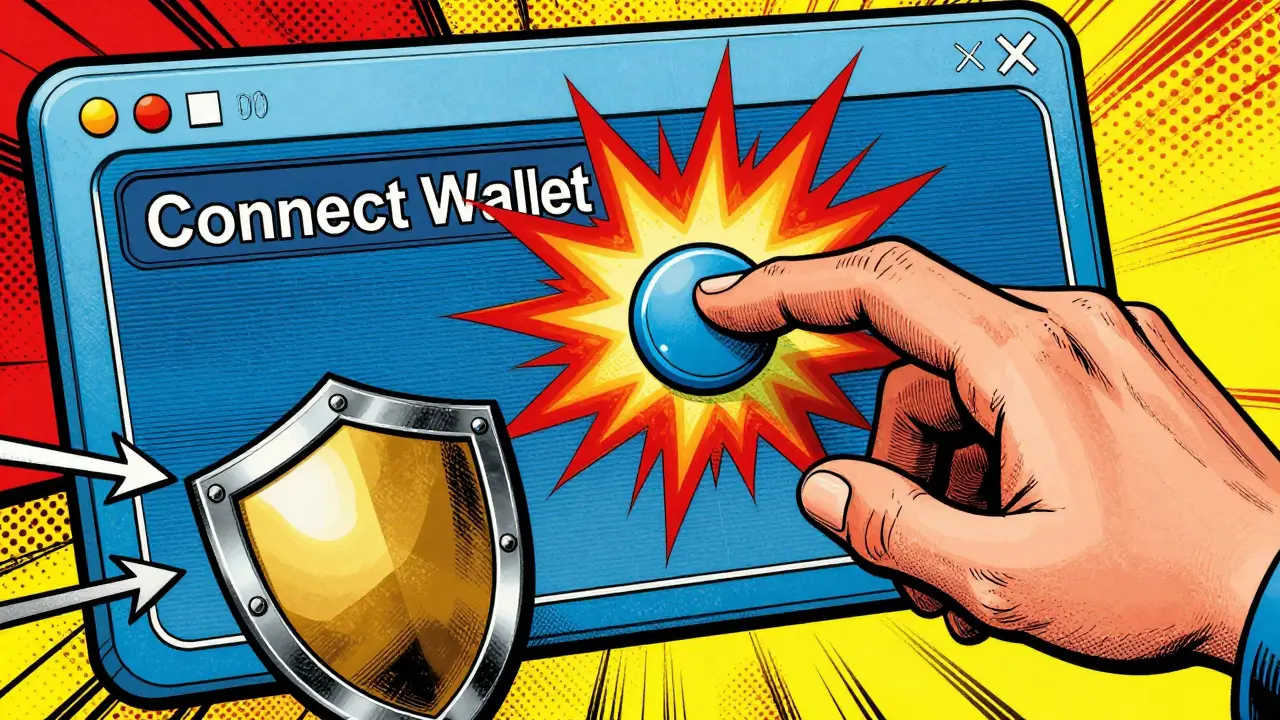
One common scam tactic involves malicious smart contracts. When you connect your wallet to a fake airdrop site and click "Claim," the contract might request unlimited approval for your tokens. Once approved, the scammers can transfer your assets out of your wallet instantly. Always use a burner wallet-a separate wallet with minimal funds-for any interaction with unverified projects.
Comparison: Legitimate IDOs vs. Suspicious Offers
| Feature | Legitimate IDO/Airdrop | Suspicious/Scam Offer |
|---|---|---|
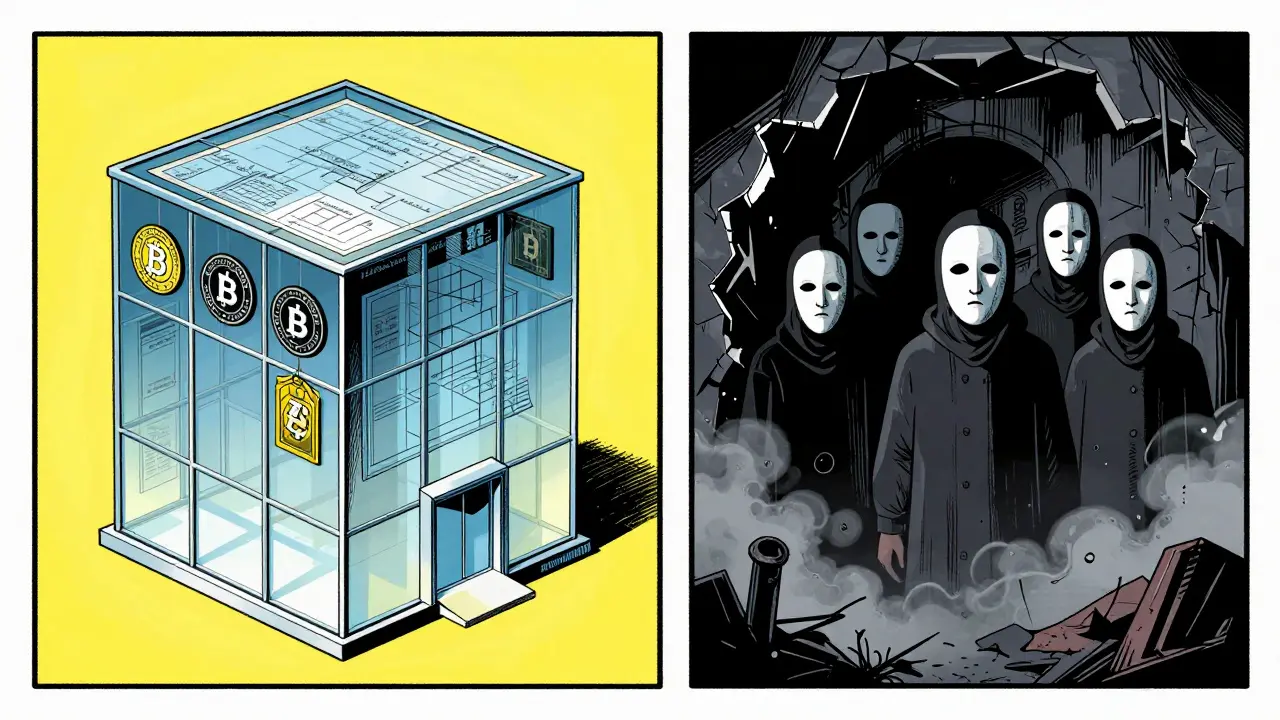
| Visibility | Listed on CoinMarketCap, CoinGecko, major news outlets | No presence on major trackers; only promoted via Telegram/Discord links |
| Audit Status | Public audit reports from reputable firms (CertiK, etc.) | No audits, or self-published documents with no verifier link |
| Team Identity | Doxxed founders with verifiable professional histories | Anonymous team or stock photos with no LinkedIn presence |
| Participation Method | Through established launchpads or verified dApps | Direct interaction with unknown websites or private bots |
| Cost to Enter | May require holding native tokens or paying gas fees | Asks for upfront payment, personal data, or wallet approvals |
Protecting Your Digital Assets
In the absence of concrete evidence supporting the SOS Foundation’s legitimacy, the safest approach is skepticism. Here are practical steps to safeguard your crypto holdings while exploring new opportunities.
Use Hardware Wallets: Store your main assets in a hardware wallet like Ledger or Trezor. Never connect your primary cold storage device to unverified websites. If you must interact with a new platform, use a hot wallet with a small amount of funds.
Revoke Permissions Regularly: Websites you’ve connected to in the past may still have access to your tokens. Use tools like Revoke.cash to check and remove unnecessary approvals. This prevents compromised sites from draining your assets later.
Beware of Phishing Links: Scammers often create fake websites that look identical to legitimate projects. Always bookmark official URLs and avoid clicking links from social media DMs or unsolicited emails. Double-check the domain spelling carefully.
Educate Yourself on Smart Contracts: Understanding basic Solidity concepts helps you recognize risky requests. If a contract asks for "unlimited allowance" on a token you don’t intend to spend heavily, deny the request.
What To Do If You Already Participated
If you have already connected your wallet or provided information to the SOS Foundation site, take immediate action. First, disconnect your wallet from the site. Second, check your transaction history on Etherscan or the relevant blockchain explorer. Look for any outgoing transactions or approvals you didn’t explicitly authorize. If you see suspicious activity, move your remaining assets to a new wallet address immediately. Change your passwords for any associated accounts and enable two-factor authentication everywhere possible.
Remember, in the crypto world, there are no refunds. Prevention is the only effective strategy. The allure of free tokens is strong, but the cost of negligence can be devastating. Stick to verified sources, question everything that sounds too good to be true, and prioritize the security of your digital assets over the hope of quick gains.
Is the SOS Foundation IDO a legitimate project?
As of June 2026, there is no verifiable evidence from reputable sources confirming the legitimacy of the SOS Foundation or its IDO. The lack of presence on major crypto trackers and auditors suggests it may be a scam. Proceed with extreme caution.
What is an IDO in cryptocurrency?
An Initial D Offering (IDO) is a fundraising method where new crypto projects sell tokens to investors via decentralized exchanges or launchpads. It allows for faster liquidity compared to traditional ICOs but requires thorough vetting of the project.
How can I tell if a crypto airdrop is a scam?
Signs of a scam airdrop include: no presence on CoinMarketCap/CoinGecko, anonymous team, lack of smart contract audits, urgent pressure to act, and requests for upfront payments or excessive wallet permissions. Always verify through multiple independent sources.
Should I connect my main wallet to an unverified IDO site?
Never connect your primary wallet containing significant assets to an unverified site. Use a separate "burner" wallet with minimal funds for testing new platforms. This limits potential losses if the site is malicious.
What should I do if I accidentally approve a malicious contract?
Immediately revoke the approval using a tool like Revoke.cash. Transfer any remaining assets from that wallet to a new, secure wallet address. Monitor your transaction history for unauthorized movements and consider reporting the incident to relevant authorities.
Are all anonymous crypto projects scams?
Not necessarily, but anonymity significantly increases risk. Many legitimate privacy-focused projects have anonymous teams, but they usually have extensive code history, community trust, and transparent governance. For IDOs, doxxed teams are the norm for investor protection.
Where can I find reliable information about new crypto launches?
Reliable sources include CoinMarketCap, CoinGecko, reputable launchpads like DAO Maker or Polkastarter, and established crypto news outlets such as CoinDesk or Cointelegraph. Always cross-reference information from multiple trusted sources.


There are 24 Comments
Karthikeyan S
bro this is such a basic scam lol 😂 u guys really think free money exists in crypto? 🤡 the moment u see 'airdrop' and 'foundation' together without any audit its over. stop being greeedy and lose ur money like everyone else did in 2022. i told yall not to touch these shits. 📉
Dinesh Pattigilli
it is absolutely pathetic how many people fall for these obvious traps. the lack of due diligence is staggering. one would assume that anyone with even a modicum of intelligence would check CoinGecko before connecting their wallet. it is truly embarrassing to witness such collective stupidity on a daily basis. the so-called 'community' here is nothing but a breeding ground for lemmings.
Madhu Menon
perhaps we should consider the deeper philosophical implications of trust in decentralized systems. when we outsource verification to centralized aggregators, do we not become dependent on new forms of authority? the silence of the SOS Foundation may be a void waiting to be filled by our own projections of hope. 🧘♂️
Narendra Kulkarni
hey guys just wanted to say thanks for the guide. it helps alot to have clear steps on what to look out for. i always use a burner wallet now so i feel safer. good info here! 👍
verna kennedy
You are all missing the point entirely. The issue isn't just about scams; it's about the fundamental incompetence of the average retail investor. If you cannot distinguish between a legitimate IDO and a phishing site, you do not deserve to participate in this market. It is as simple as that. Stop whining and start educating yourself properly or stay away from your wallets.
Kelly Tenney
I completely agree with the cautionary approach outlined here. It is vital that we prioritize safety over greed. I have seen too many friends lose everything because they rushed into things without checking the basics. Let us support each other by sharing verified information and looking out for one another’s digital well-being. We can build a stronger community if we remain vigilant and kind to those who might be vulnerable.
Greg Lewis
why do you care about audits anyway its all fake data controlled by the big banks trying to keep us down. the real truth is hidden in the code and only those who read solidty can see it. i connected my wallet just to see what happens and guess what nothing bad happened yet so maybe the article is wrong. you need to open your mind to new possibilities instead of listening to mainstream narratives.
Sonya O'Brien
I found the section on smart contract audits particularly enlightening because it highlighted the importance of third-party verification in an industry that often operates in the shadows, and while I understand the skepticism surrounding anonymous teams, I believe that there must be a middle ground where innovation can thrive without compromising security, which leads me to wonder if perhaps the current regulatory frameworks are too rigid and stifling for early-stage projects that genuinely want to do good but lack the resources for expensive audits, thus creating a barrier to entry that favors established players rather than disruptive newcomers.
Filbert Reeves
the whole concept of 'legitimate' is a construct designed by the elite to control the masses. SOS foundation is probably a front for a government psyop to track wallet holders. i have been following this since day one and i know the truth. they want to drain your assets to fund the next war. wake up sheeple. the matrix is feeding you lies through these so-called experts. dont let them steal your freedom.
Nick Rice
Listen up folks, you need to take charge of your financial destiny right now. Do not let fear dictate your actions. While caution is wise, hesitation is costly. I am telling you to verify every single detail yourself. Use hardware wallets. Be aggressive in your research. Do not rely on others to tell you what is safe. You have the power to protect your assets if you choose to act decisively and confidently. Get out there and secure your future.
Amit Thakur
The alpha here is clear: if it's not on CMC or CG, it's vaporware. You need to understand the tokenomics deeply before touching anything. Most of these IDOs are just liquidity grabs for insiders. Stop being a bag holder and start thinking like a whale. Analyze the contract code yourself if you claim to be a degens. Otherwise, stay off-chain and save your gas fees. 🚀📉
Eric Scheinberg
It is imperative that individuals adhere strictly to the protocols outlined in this guide. The absence of verifiable data constitutes a significant breach of standard operational procedures within the cryptocurrency sector. One must exercise extreme diligence and refrain from engaging with entities that fail to meet established benchmarks for transparency and accountability. Your compliance with these safety measures is non-negotiable.
pankaj chawla
i think we should stick to the known platforms. why risk it for free tokens that might not even exist. better safe than sorry. lets focus on building real value instead of chasing ghosts. agreed?
Jessica Lane
This is such a crucial discussion. I am curious about the specific mechanisms used by scammers to mimic legitimate launchpads. How sophisticated are these phishing sites becoming? It seems essential for us to understand the technical aspects of these attacks so we can better educate ourselves and our communities. Please share more insights on how to identify subtle signs of malicious intent in website URLs and domain registrations.
Charles Pawlikowski
typical foreign scam targeting americans again. we need stricter laws against these overseas operators. they come here to steal our hard earned money and then laugh at us. shame on the regulators for doing nothing. we should block all international crypto transactions until they prove they are clean. protect american jobs and assets first. 🇺🇸
Andrea Burd
boring article. i already knew this stuff. why do people keep writing guides for idiots. just dont click links. common sense is rare these days. whatever.
Abby Sivertsen
look, i get the hype but honestly its kinda wild how desperate people are for freebies. ive seen similar stuff in other countries too. its a global problem really. just chill and wait for something real. no need to stress over it. vibes are off with this one.
Benjamin Eisen
i totally get why people are skeptical. it is scary out there. but hey, learning from mistakes is part of the journey right? i once clicked a bad link myself and lost some sats. painful lesson. now i double check everything. keep supporting each other and stay positive. we got this! 💪
Kenneth Riley
OH MY GOD can you believe these clowns? i told everyone this was a rug pull from the start. look at the comments below me they are still arguing. it is tragic really. i am literally shaking with rage reading this nonsense. why does nobody listen to me? i am the only one with eyes open in this circus. drama queen much? yeah because your ignorance is dramatic. 🎭
Monica Pathammavong
actually you are all wrong. i have insider info that sos foundation is legit. the audits are private for security reasons obviously. only true believers will understand. do not listen to these haters. they are just jealous of the gains coming. buy the dip now or regret it later. i know what i am talking about trust me.
aaliyah zahid
oh sure, because nothing says 'trustworthy' like a project that doesn't exist on any major tracker. hilarious. i love how people pretend to be experts when they clearly don't know the first thing about blockchain security. keep dreaming though, sweetie. maybe one day you'll learn.
Erik Kirana
As a discerning individual, I find the lack of rigor in this community appalling. 😡 One must demand excellence. If a project cannot provide basic documentation, it is unworthy of your attention. Do not lower your standards. Demand transparency. Demand accountability. Anything less is an insult to your intelligence. 📉🚫
dan kaffeman
this is garbage content written by someone who has never made a dime in crypto. real investors know risks. if you cant handle the risk you dont deserve the reward. stop coddling people. let them fail. it builds character. weak minds will always complain. strong minds take action and profit. deal with it.
Meg Gran
so funny how everyone pretends to be smart here. 'check the audit' yeah right. audits are bought and sold like candy. the system is rigged. but sure, keep pretending you are special because you checked coinmarketcap. lol. typical herd mentality. sheep in wolf clothing. 🐑🐺
Write a comment
Your email address will not be published. Required fields are marked *