FIPS 140-2: What It Is, Why It Matters for Crypto Security
When you hear FIPS 140-2, a U.S. government security standard for cryptographic modules. It's not just paperwork—it's the baseline for what counts as secure in finance, defense, and now, cryptocurrency. If a crypto exchange, hardware wallet, or even a trading app claims to be "secure," check if it’s FIPS 140-2 certified. If not, you’re trusting your coins to software that might not even meet basic government security rules.
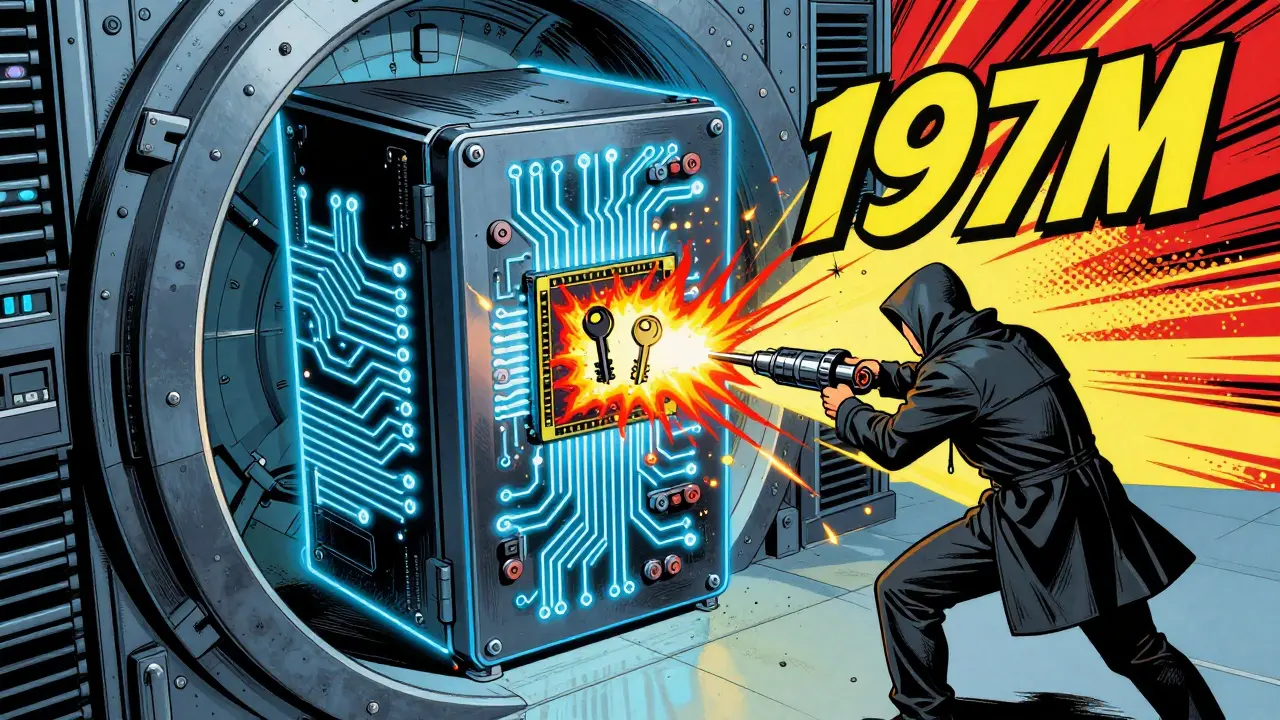
FIPS 140-2 isn’t about fancy encryption. It’s about how that encryption is built, tested, and kept safe from tampering. Think of it like a lock: it doesn’t matter how strong the key is if the door frame is made of cardboard. NIST, the National Institute of Standards and Technology that created FIPS 140-2 doesn’t just write guidelines—they test real hardware and software under extreme conditions. That’s why wallets like Ledger and Trezor proudly display FIPS 140-2 validation. They’ve passed lab tests for physical tampering, side-channel attacks, and firmware integrity. Most crypto apps? They haven’t even tried.
This matters because cryptographic modules, the built-in security systems inside wallets and exchanges are the first line of defense. If a hacker bypasses your password, they’re still blocked by the crypto module. But if that module isn’t certified, it could have backdoors, weak random number generators, or unpatched flaws. The security certification, the official validation that a product meets FIPS 140-2 isn’t optional for banks or government agencies—and it shouldn’t be optional for you either. You wouldn’t trust a non-certified airplane. Don’t trust a non-certified wallet.
Look at the posts below. You’ll see reviews of exchanges like WhiteBIT and Blockchain.com—both used by serious traders. Some of them rely on FIPS-certified infrastructure to meet compliance. Others? They’re flying blind. There are also posts about crypto bans, KYC failures, and exchange hacks. Behind every one of those stories is a failure in security fundamentals. FIPS 140-2 doesn’t prevent all hacks, but it stops the low-hanging fruit—the ones that happen because someone skipped the basics. If you’re holding crypto, you owe it to yourself to know whether your tools are built to real standards—or just marketing hype.