High-Risk Crypto: What It Is, Why It’s Dangerous, and Which Coins to Avoid
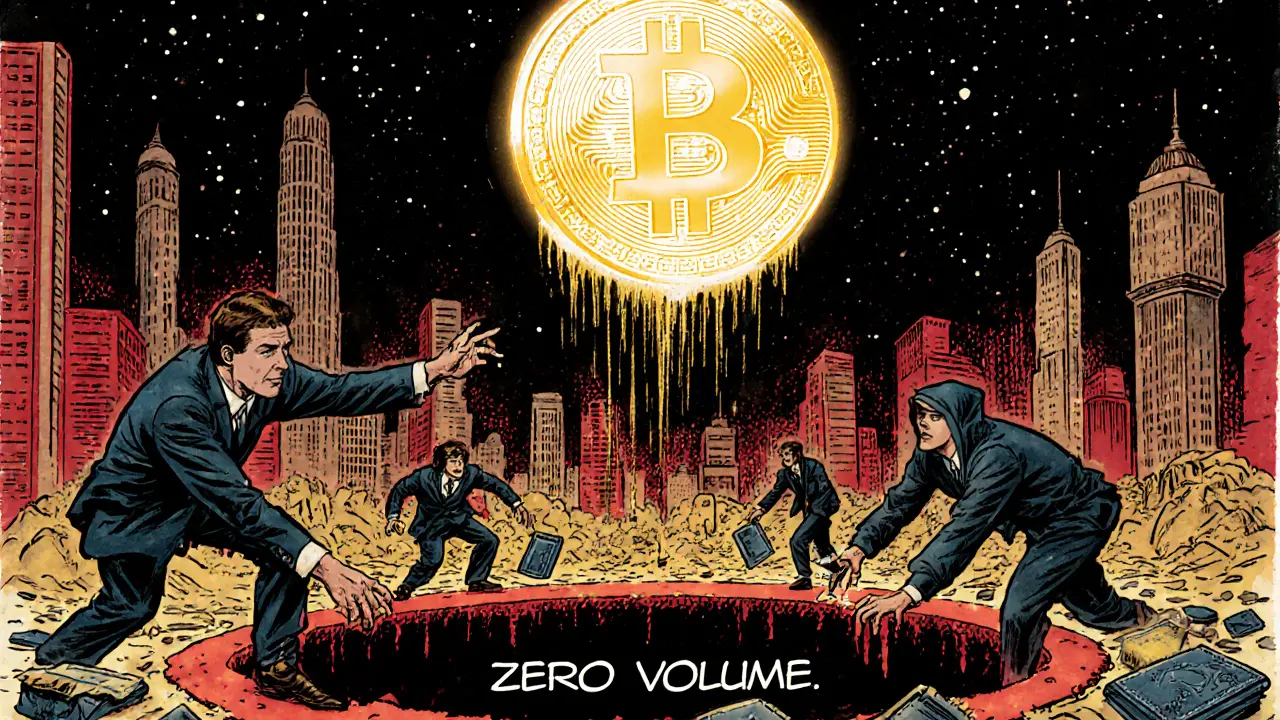
When people talk about high-risk crypto, digital assets with extreme volatility, no real utility, and little to no oversight. Also known as junk crypto, it’s not just speculative—it’s often a trap for anyone who doesn’t dig deeper. These aren’t the same as Bitcoin or Ethereum. They’re the coins that pop up overnight with flashy marketing, zero team info, and a price that crashes 99% within weeks. Think of them like lottery tickets made of code—someone might win, but most people lose everything.
The biggest danger comes from three types of meme coins, tokens built on hype, not technology, often with no roadmap or development team, unregulated exchanges, platforms that operate without licenses, audits, or transparent security, and zombie tokens, dead projects that still trade with almost no volume, kept alive by bots and gamblers. These aren’t investments—they’re gambling with your capital. HIF, WAI, and WACME are real examples: all had hype, all collapsed. Narkasa, FREE2EX, and MaskEX? They’re exchanges with no audits, no user reviews, and no track record. If you can’t find a single credible review or security report, it’s not a platform—it’s a risk.
Why do people still fall for this? Because the noise is loud. AI buzzwords, celebrity tweets, fake airdrops, and Telegram groups pushing "100x gains" create the illusion of opportunity. But behind every "free token" offer is a phishing site. Behind every "next big thing" coin is a team that vanished. The market doesn’t reward luck—it punishes ignorance. You don’t need to chase every new token. You just need to avoid the ones that don’t belong in a portfolio. The posts below break down exactly which coins are dead, which exchanges are unsafe, and how to spot a scam before you click "connect wallet." You’ll see real cases: the $34B fine that never happened, the token that doesn’t exist, the exchange with zero trading data. This isn’t theory. It’s what’s happening right now.