Narkasa Trading: What It Is, Why It’s Not Real, and What to Watch Instead
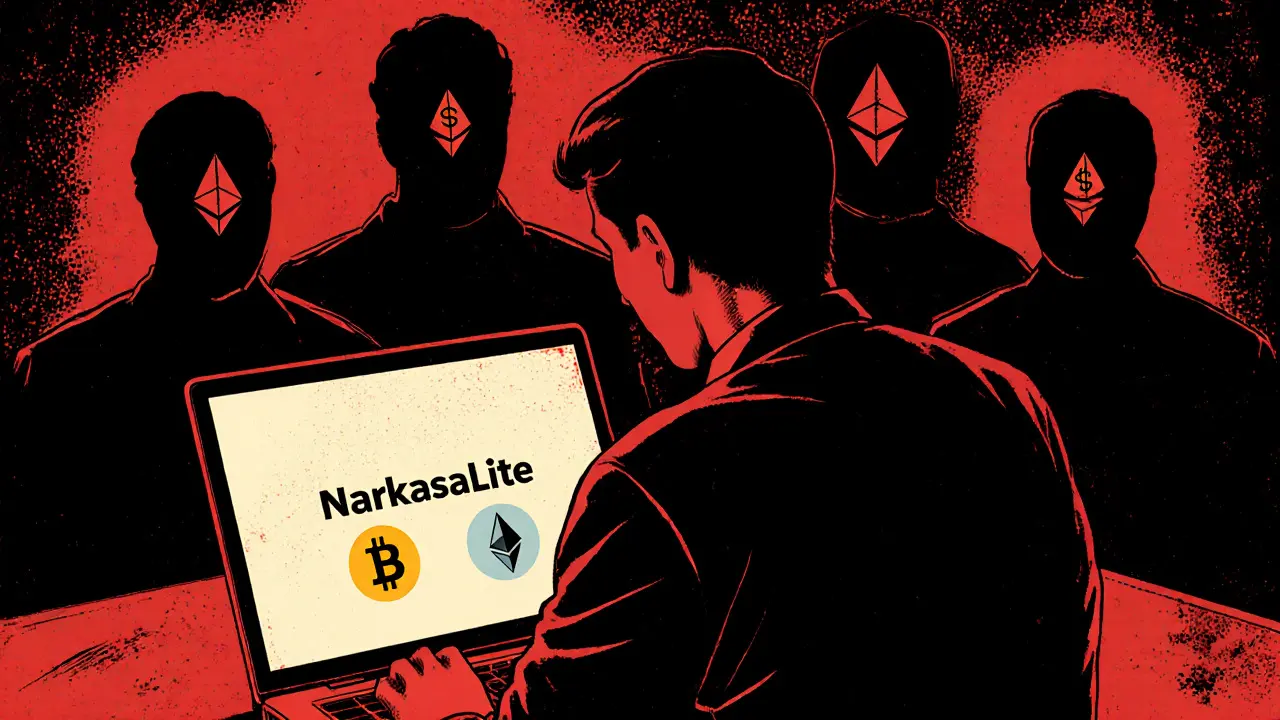
When you hear Narkasa trading, a term that appears in forums and Telegram groups with no official source or blockchain footprint. Also known as Narkasa token, it’s often pitched as a hidden gem with explosive potential—but there’s no exchange, no whitepaper, no team, and no smart contract to verify its existence. This isn’t a case of early-stage development. This is a classic ghost token: a name with no substance, floated to trick people into chasing something that doesn’t exist.
Real crypto projects don’t hide behind vague hype. They publish code on GitHub, list on at least one reputable exchange, and have public team members with verifiable LinkedIn profiles. Compare that to Narkasa trading—zero trading volume, zero liquidity, zero blockchain explorer entry. Even CoinMarketCap and CoinGecko don’t track it. If a token can’t be found on any major data platform, it’s not an investment. It’s a lure.
People chasing Narkasa trading often end up falling for similar scams: fake airdrops promising free tokens, cloned websites mimicking real platforms, or bots that ask for wallet access to "claim" nonexistent rewards. These scams thrive because they copy the language of real projects—"limited supply," "community-driven," "next big thing." But real projects don’t need to beg you to join. They attract users through transparency, utility, and proof of work.
What you will find in the posts below are real cases of tokens that looked promising but collapsed—like BODA Token, Hedgehog in the Fog, and Wrapped USDR. Each had a story, a website, maybe even a Twitter account. But none had substance. And each teaches the same lesson: if you can’t trace it back to a real team, a real blockchain, or a real trading pair, it’s not crypto. It’s a gamble with no odds.
There’s a difference between high-risk crypto and outright fraud. The posts here cut through the noise. You’ll learn how to spot fake tokens before you click, how to verify if a project is real using public data, and which red flags mean walk away immediately. No fluff. No hype. Just what works when the market is full of ghosts.