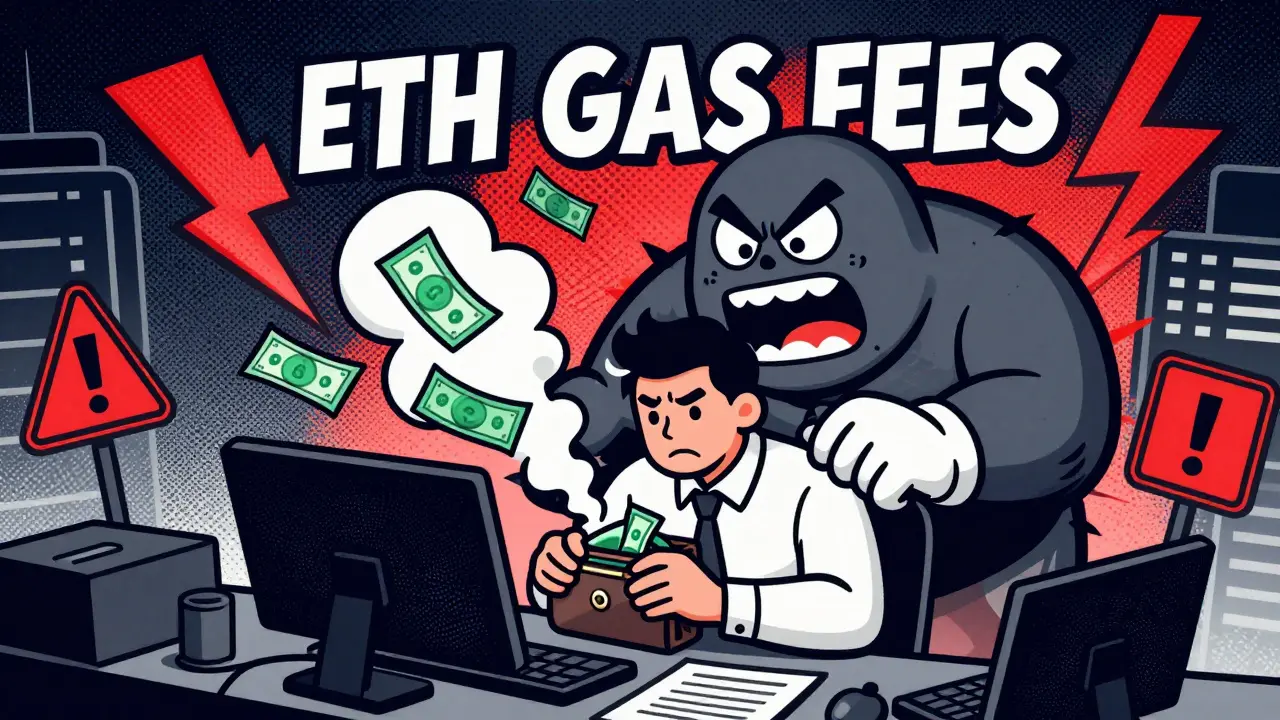
Trading crypto on Ethereum Mainnet feels like paying rent just to breathe. The gas fees can eat up your profits before you even click 'swap'. That is why the rise of Base is a Layer 2 scaling solution developed by Coinbase that offers low-cost, fast transactions compatible with Ethereum smart contracts has been such a big deal for retail traders. But here is the catch: not every tool works smoothly on this new infrastructure. You might be wondering if sticking with the older, simpler Uniswap v2 is a decentralized exchange protocol using an automated market maker model that relies on constant product formulas and liquidity pools is still a smart move in 2026, or if you are leaving money on the table.
I have spent weeks testing swaps across different networks, and I want to cut through the noise. Is Uniswap v2 on Base a hidden gem for simplicity, or is it outdated tech that should be retired? Let’s look at the real numbers, the user experience, and where this setup actually makes sense for your portfolio.
Why Base Changes the Game for DEX Users
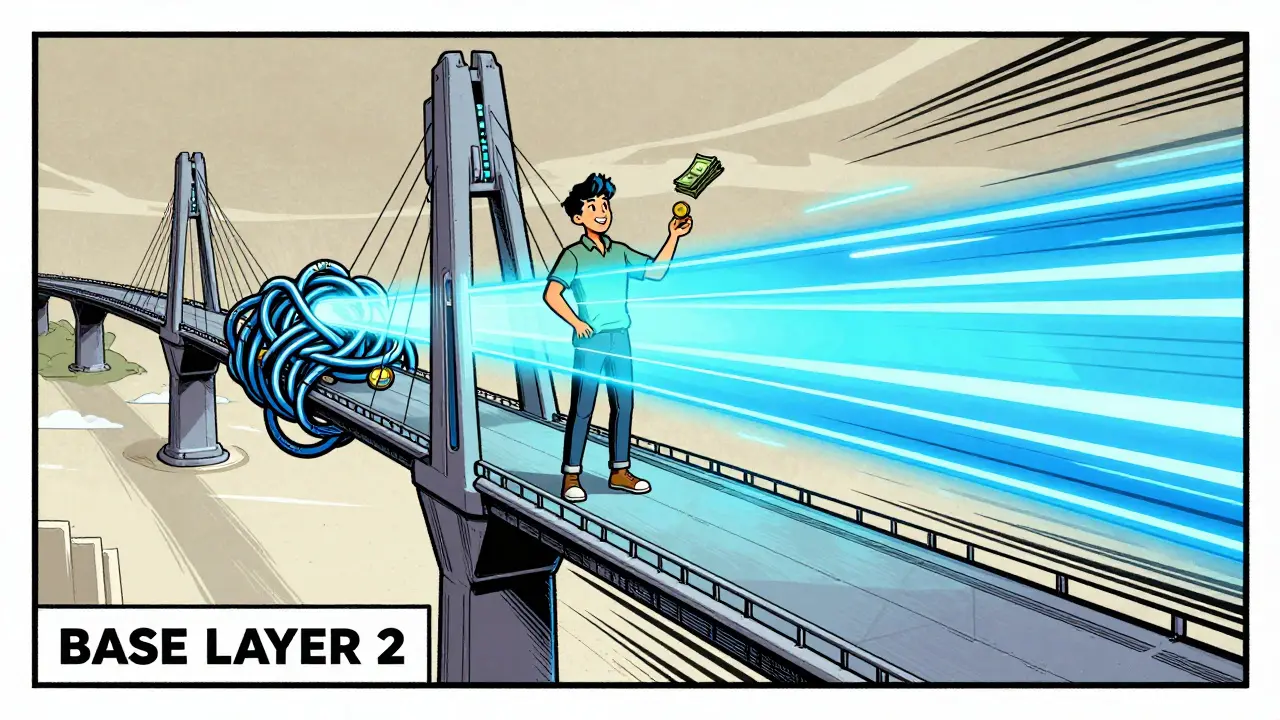
To understand why we are talking about Uniswap v2 on Base, you first need to grasp what Base brings to the table. Base is built on the Optimism stack, which means it inherits security from Ethereum while processing transactions off-chain. This results in transaction speeds that are nearly instant and costs that are often fractions of a cent.
For years, the barrier to entry for Decentralized Finance (DeFi) was cost. If you wanted to swap $50 worth of tokens on Ethereum Mainnet, you might pay $10 in gas fees. On Base, that same interaction might cost you less than $0.01. This shift allows micro-trading and frequent rebalancing, strategies that were previously economically unviable.
However, Base is an EVM-compatible chain. This means any smart contract written for Ethereum can theoretically run on Base. Uniswap v2, being one of the most deployed contracts in history, fits right in. But does it fit *well*? That depends on how you use it.
The Case for Simplicity: Uniswap v2 vs. v3
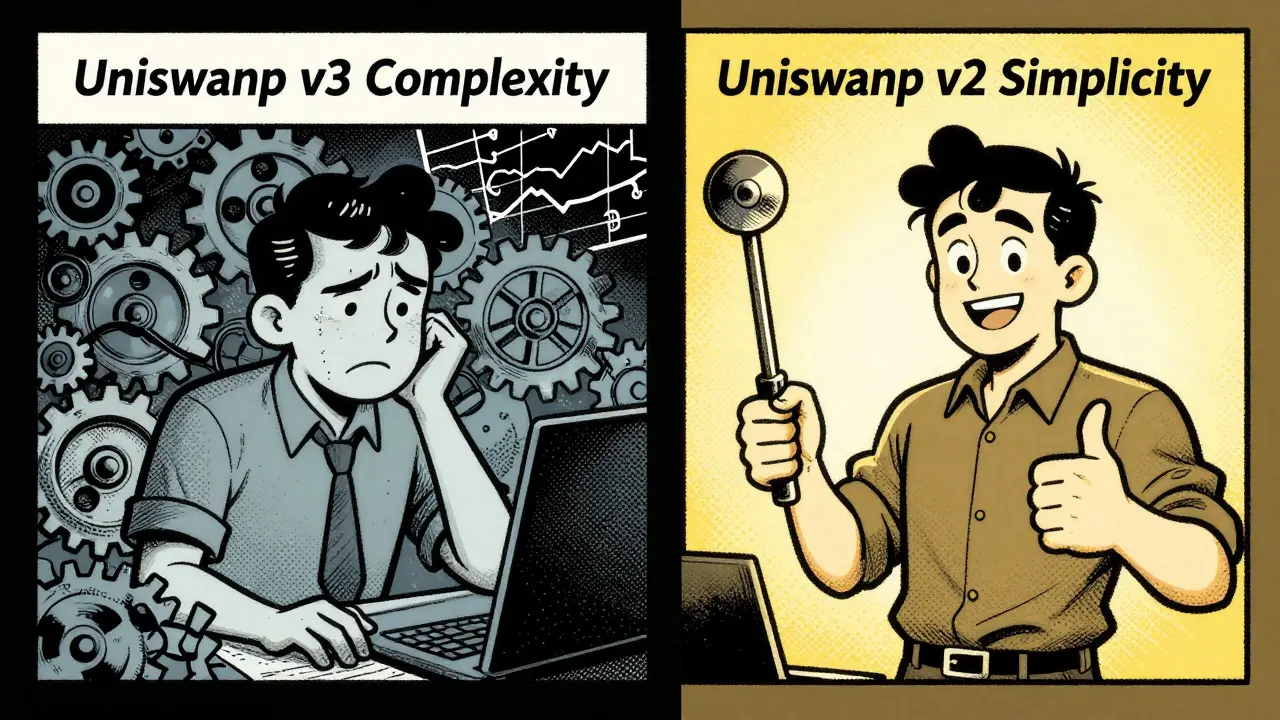
When you open a DEX interface today, you are often bombarded with options. Uniswap v3 is an advanced version of the Uniswap protocol introducing concentrated liquidity, multiple fee tiers, and complex position management for liquidity providers is powerful, but it is also complex. It requires you to manage liquidity ranges, monitor impermanent loss closely, and understand fee tiers ranging from 0.05% to 1%. For a casual trader who just wants to swap Token A for Token B, this complexity is unnecessary friction.
This is where Uniswap v2 shines. Its logic is binary and simple:
- Liquidity Pools: Funds are locked in pairs (e.g., ETH/USDC). There are no price ranges to manage.
- Pricing: Prices are determined by the constant product formula ($x \times y = k$). It is transparent and predictable.
- Fees: A flat 0.30% fee applies to most standard pairs. No tier selection needed.
In 2026, "simple" is a feature, not a bug. Many users report feeling overwhelmed by the dashboard-heavy interfaces of newer protocols. Uniswap v2 on Base offers a clean, almost nostalgic trading experience. You connect your wallet, select your tokens, and swap. Done.
Performance Analysis: Fees, Slippage, and Speed
Let’s talk about the metrics that matter: how much do you lose in the process?
| Metric | Ethereum Mainnet (Uniswap v2) | Base Network (Uniswap v2) | Base Network (Uniswap v3) |
|---|---|---|---|
| Average Gas Fee | $5.00 - $20.00+ | $0.01 - $0.05 | $0.01 - $0.05 |
| Protocol Fee | 0.30% | 0.30% | 0.05% - 1.00% (varies by pool) |
| Slippage Tolerance | Often higher due to fragmented liquidity | Low (if deep pools exist) | Very Low (concentrated liquidity) |
| Transaction Time | 15 - 60 seconds | 2 - 5 seconds | 2 - 5 seconds |
As you can see, the gas fee advantage of Base is massive regardless of whether you use v2 or v3. However, the protocol fee difference matters for large trades. If you are moving significant capital, Uniswap v3’s ability to offer 0.05% fee tiers on stablecoin pairs can save you hundreds of dollars compared to v2’s flat 0.30%.
But for smaller trades-say, under $500-the savings from v3 are negligible. The mental energy required to set up a v3 position isn’t worth saving $2. In these cases, Uniswap v2 on Base is the superior choice because it minimizes decision fatigue.
User Experience: Wallets and Interface
How easy is it to get started? You don’t need to create an account, provide KYC documents, or worry about frozen funds. All you need is a non-custodial wallet.
The most common wallets used with Base include MetaMask is a popular software cryptocurrency wallet used to interact with the Ethereum blockchain and other EVM-compatible chains, Coinbase Wallet is a self-custody crypto wallet application developed by Coinbase that supports multi-chain assets including Base, and Trust Wallet. Since Base is EVM-compatible, MetaMask works seamlessly. You simply add the Base network RPC details (which MetaMask now does automatically via Chainlist), fund your wallet with Base ETH, and you are ready to trade.
The Uniswap interface itself is responsive. On mobile, it loads quickly. One notable limitation in 2026 is that the native Uniswap Wallet app has limited support for certain niche tokens on Base compared to third-party aggregators like 1inch is a decentralized exchange aggregator that sources liquidity from various exchanges to find users the best available prices. If you are trading highly obscure meme coins on Base, you might find better liquidity on specialized DEXs like Aerodrome or SushiSwap rather than Uniswap v2.
Liquidity Depth: Where v2 Might Fall Short
Here is the critical downside of using Uniswap v2 on Base in 2026. Liquidity is migrating. As more sophisticated traders and institutions adopt Uniswap v3 and other concentrated liquidity platforms, the deepest pools are often found there.
On major pairs like ETH/USDC or WETH/DAI, Uniswap v2 on Base still has decent depth. You can likely swap $10,000 without experiencing terrible slippage. But for mid-cap altcoins or newer Base-native tokens, v2 pools may be shallow.
If you try to swap a large amount of a less popular token on Uniswap v2, you will push the price against yourself significantly. This is known as slippage. In contrast, v3 pools concentrate liquidity around the current price, offering tighter spreads for active trading pairs. If you are a day trader executing multiple small trades, v2’s wider spreads might slowly bleed your capital.
Security and Trust Factors
One reason Uniswap v2 remains relevant is its battle-tested code. The core smart contracts of Uniswap v2 have been audited extensively and have processed billions of dollars in volume over many years. While hacks do happen in DeFi, they are rarely due to flaws in the core Uniswap v2 math. They usually stem from malicious tokens or compromised private keys.
Using Uniswap v2 on Base inherits this security posture. The contracts are verified on Block explorers like Basescan. You can inspect the code yourself if you wish. This transparency is a stark contrast to centralized exchanges, where you must trust the company not to run away with your funds. Remember, not your keys, not your coins. Uniswap ensures you always hold custody.
Who Should Use Uniswap v2 on Base?
Based on my testing, this setup is ideal for specific types of users:
- Beginners entering DeFi: If you are confused by liquidity ranges and tick intervals, start here. The learning curve is flat.
- Long-term holders swapping occasionally: If you only trade once a month to rebalance, the 0.30% fee is acceptable, and the simplicity saves time.
- Users prioritizing speed over optimization: When you need to move assets quickly and don’t want to hunt for the best route across aggregators.
Conversely, you should avoid Uniswap v2 on Base if:
- You are providing liquidity (you will earn fewer fees compared to v3).
- You are trading large volumes of volatile altcoins (slippage will hurt you).
- You require fiat on-ramps directly within the interface (Uniswap does not support buying crypto with credit cards).
Final Verdict
Is Uniswap v2 on Base dead? Absolutely not. It is a reliable, low-friction tool for everyday crypto swaps. In 2026, with Base handling the heavy lifting of cheap transactions, Uniswap v2 offers a streamlined experience that cuts out the noise of modern DeFi complexity. Just be aware of the liquidity limits for smaller tokens and consider using aggregators if you notice high slippage.
Can I use Uniswap v2 on Base with Bitcoin?
No. Base is an Ethereum Virtual Machine (EVM) compatible network. It supports ERC-20 tokens like ETH, USDC, and UNI. It does not natively support Bitcoin (BTC). To trade Bitcoin-related assets, you would need to use Wrapped Bitcoin (WBTC) or similar bridged versions that exist on the Base network.
Is it safe to use Uniswap v2 on Base?
Yes, the core Uniswap v2 contracts are highly secure and widely audited. However, security risks in DeFi usually come from connecting to phishing sites, approving malicious tokens, or compromising your private key. Always verify the URL (app.uniswap.org) and ensure your wallet connection is legitimate.
Why are gas fees so low on Base compared to Ethereum?
Base is a Layer 2 rollup solution. It batches thousands of transactions together and processes them off the main Ethereum chain, then posts a summary back to Ethereum for security. This drastically reduces the computational load per transaction, resulting in fees that are typically 90-99% lower than Ethereum Mainnet.
Do I need the UNI token to trade on Uniswap v2?
No. The UNI token is primarily used for governance decisions regarding the Uniswap protocol. You do not need to hold UNI to swap tokens, provide liquidity, or use the platform. Trading is permissionless.
What happens if I encounter high slippage on Uniswap v2?
High slippage indicates that the liquidity pool for that token pair is shallow relative to your trade size. To mitigate this, you can break your trade into smaller chunks, wait for more liquidity to enter the pool, or use a DEX aggregator like 1inch or Matcha to find deeper liquidity across other pools on Base.
Can I buy crypto with a credit card on Uniswap?
No. Uniswap is a decentralized exchange that only facilitates swaps between existing crypto assets. It does not offer fiat on-ramps. You must purchase crypto on a centralized exchange (like Coinbase or Binance) and transfer it to your wallet on the Base network before you can use Uniswap.
Is Uniswap v2 better than v3 for beginners?
Generally, yes. Uniswap v2 requires minimal understanding of mechanics beyond basic swapping. Uniswap v3 introduces concepts like concentrated liquidity, price ranges, and multiple fee tiers, which can be confusing and risky for inexperienced users who might inadvertently expose their funds to high impermanent loss.