Have you ever stumbled upon a new cryptocurrency platform that promises easy profits, only to find yourself Googling "is it a scam" five minutes later? That is exactly where Defibox lands for most users. If you are reading this, you likely saw an ad, heard from a friend, or found a link promising high returns through this platform. The immediate question isn't just about features; it is about survival of your capital.
The short answer? Proceed with extreme caution. As of mid-2026, Defibox lacks the regulatory footprint, transparent leadership, and independent security audits required to be considered a trustworthy venue for trading digital assets. In the world of crypto, silence is not golden-it is dangerous.
The Red Flags Surrounding Defibox
When evaluating any financial tool, especially one handling volatile assets like Bitcoin or Ethereum, transparency is non-negotiable. Legitimate exchanges operate in the light. They publish their team members, their office locations, and their legal compliance status. Let’s look at what happens when we try to apply these standards to Defibox.
First, there is the issue of identity. Who runs Defibox? Unlike established centralized exchanges such as Coinbase or Kraken, which have public CEOs and board members, Defibox operates behind a veil of anonymity. There are no verifiable LinkedIn profiles for its founders, no press releases detailing their background, and no clear corporate structure. This anonymity is a classic hallmark of rug pulls, where developers abandon a project after collecting user funds.
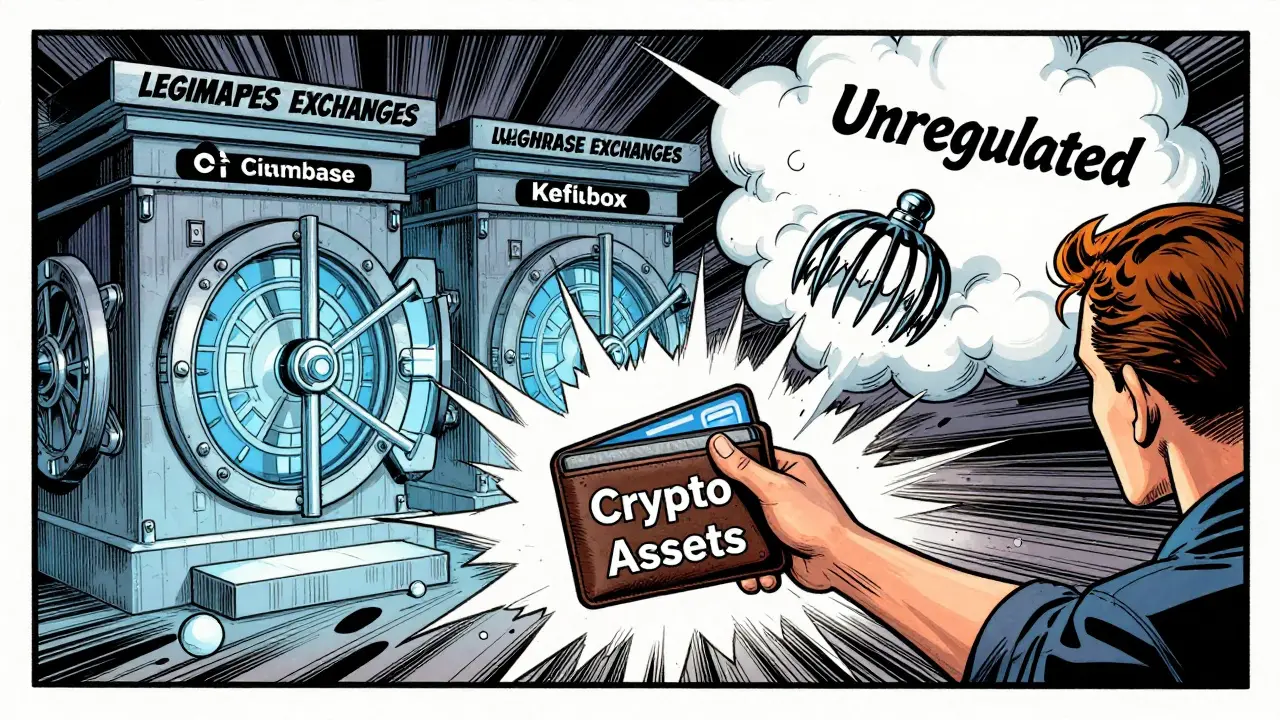
Second, consider the regulatory landscape. In 2025 and 2026, governments worldwide tightened regulations on crypto services. Platforms like Binance US and Coinbase operate under strict licensing requirements in the United States and Europe. They undergo regular audits by bodies like the SEC or local financial conduct authorities. Defibox does not appear on any major regulatory registry. It has no license from the Financial Conduct Authority (UK), the Australian Securities and Investments Commission (ASIC), or New Zealand’s Financial Markets Authority. Trading on an unregulated platform means you have zero legal recourse if something goes wrong.
Centralized vs. Decentralized: Where Does Defibox Fit?
To understand why Defibox raises eyebrows, we need to look at how the industry is structured. The market is divided into two main camps: Centralized Exchanges (CEXs) and Decentralized Exchanges (DEXs).
Centralized Exchanges (CEX) act as intermediaries. You deposit money, they hold it, and you trade using their interface. Examples include Kraken, Coinbase, and KuCoin. These platforms require Know Your Customer (KYC) checks to prevent fraud and money laundering. They offer customer support and insurance funds in some cases.
Decentralized Exchanges (DEX), on the other hand, use smart contracts on blockchains like Ethereum or Solana. You connect your own wallet (like MetaMask), and trades happen peer-to-peer without a middleman holding your funds. Examples include Uniswap, PancakeSwap, and newer hybrids like Hyperliquid.
Defibox claims to offer a seamless experience, but it doesn’t fit neatly into either category. It often presents itself with a website that looks like a CEX but lacks the infrastructure and regulation. Alternatively, if it is a DEX wrapper, it fails to provide the open-source code verification that legitimate decentralized projects offer. This ambiguity is a major risk factor. Are you trusting a company that doesn’t exist, or a smart contract that hasn’t been audited?
Comparing Defibox to Trusted Alternatives
If you are looking for a place to trade crypto, you have better, safer options. Let’s compare the vague promise of Defibox against established players in the 2026 market. The differences in security, fees, and asset variety are stark.
| Feature | Defibox | Kraken | Coinbase | Hyperliquid (DEX) |
|---|---|---|---|---|
| Regulatory Status | Unknown / Unlicensed | Licensed in multiple jurisdictions | Publicly traded, highly regulated | Non-custodial (Self-regulated via code) |
| Security Audits | None publicly available | Regular third-party audits | Regular third-party audits | Open-source, community-audited |
| Fee Structure | Opaque / Hidden costs likely | 0% - 0.4% maker/taker | 0% - 3.99% depending on method | Low blockchain gas + protocol fee |
| Customer Support | Non-existent or automated bots | 24/7 Human support | 24/7 Support | Community forums / Discord |
| Asset Variety | Limited / Potentially fake tokens | 350+ Cryptocurrencies | 235+ Cryptocurrencies | Major pairs + Perps |
Notice the gap. Kraken and Coinbase offer hundreds of verified coins with clear fee structures. Hyperliquid offers a modern DEX experience with futures trading but relies on transparent code. Defibox offers none of this clarity. When a platform cannot compete on transparency, it usually tries to compete on false promises of high yield.
The Psychology of Fake Exchanges
Why do platforms like Defibox emerge? They prey on hope. In a bull market, everyone wants to get rich quick. Scammers create websites that look professional, copy the design of legitimate exchanges, and run ads on social media. They might even show fake charts going up to entice you to deposit.
Once you deposit funds-usually via direct crypto transfer because they won’t accept bank wires initially-the game changes. You might see your balance grow on the screen. But when you try to withdraw, problems arise. "Verification errors," "security holds," or requests for more fees to release your funds. This is known as a Ponzi scheme dynamic. They use new deposits to pay early withdrawals, until they disappear with the rest.
The DFPI (Department of Financial Protection and Innovation) and similar global trackers document hundreds of such scams annually. While Defibox may not yet be on every blacklist, its characteristics match the pattern perfectly: anonymous team, unregulated, and aggressive marketing.
How to Verify Any Crypto Platform Yourself
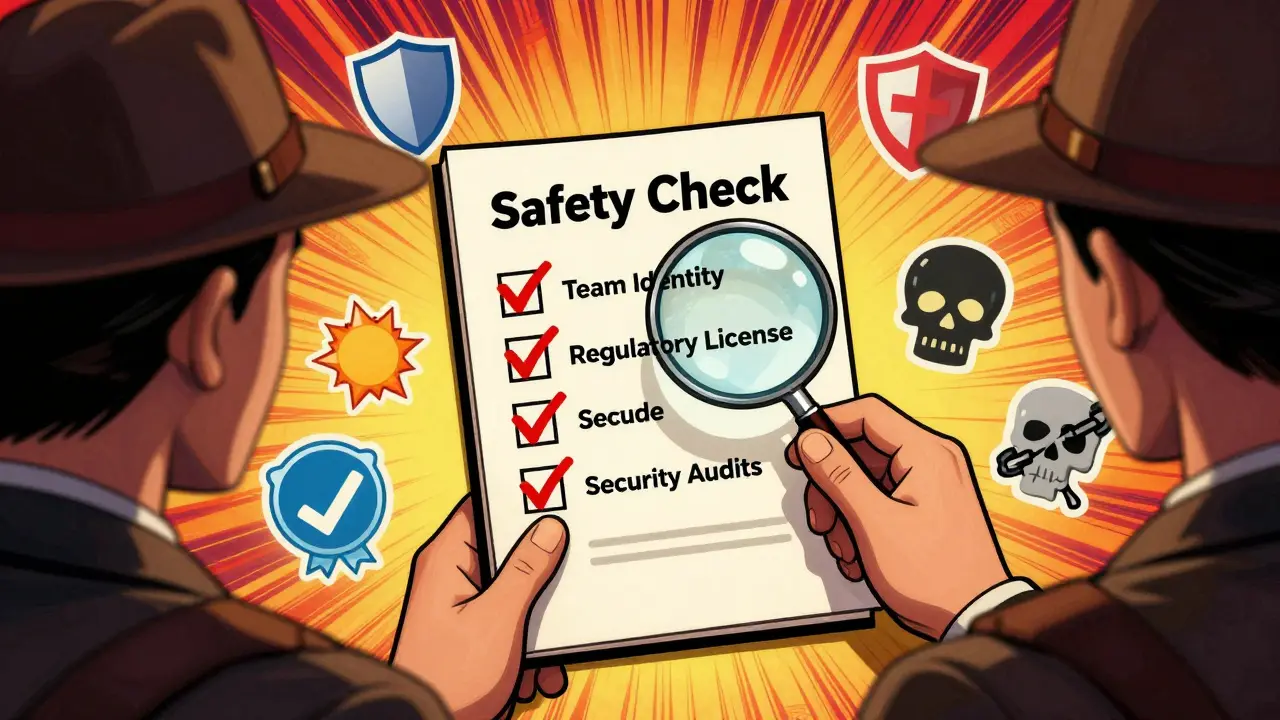
You don’t have to take my word for it. Here is a simple checklist you can use to vet any exchange before sending a single satoshi.
- Check the Team: Can you find the names of the founders? Do they have real LinkedIn profiles? If the site says "Anonymous Developers" for a CEX-like service, walk away.
- Look for Licenses: Search for the company name in government registries. In the US, check FinCEN. In the UK, check FCA. In NZ, check FMA. If they aren’t listed, they are operating illegally or offshore with no protection for you.
- Verify the Domain Age: Use tools like WHOIS to check how old the website domain is. If Defibox.com (or similar) was registered three months ago, it is too new to trust with significant capital. Legitimate businesses build history over years.
- Read Independent Reviews: Ignore reviews on the platform’s own site. Look for discussions on Reddit, Trustpilot, or Twitter. Search for "[Platform Name] scam" specifically. Real users will share their withdrawal issues quickly.
- Test with Small Amounts: Never invest money you can’t afford to lose. If you must test a platform, deposit $10. Try to withdraw it immediately. If the withdrawal process is difficult, complex, or requires extra fees, close your account.
Safer Alternatives for 2026
If you are looking to enter the crypto market, stick to platforms with proven track records. For beginners, Coinbase remains the gold standard for ease of use and regulatory compliance in Western markets. Their interface is clean, and their educational resources are top-tier.
For those who want lower fees and more advanced features, Kraken is an excellent choice. Founded in 2011, it has survived multiple bear markets and hacks by maintaining strong security protocols and transparent operations.
If you prefer decentralization and want to keep control of your keys, explore Uniswap or Hyperliquid. These platforms allow you to trade without giving custody of your funds to a central entity. However, remember that with DEXs, you are responsible for your own security. Losing your seed phrase means losing your funds forever.
Conclusion: Protect Your Capital
The crypto space is filled with innovation, but it is also littered with traps. Defibox represents the latter. Without regulatory backing, transparent leadership, or a history of reliable operation, it poses an unacceptable risk to your financial health. The potential gain of finding a "hidden gem" is never worth the certainty of loss that comes with unverified platforms.
Stick to the giants or the open-source pioneers. They have earned their place through years of scrutiny and service. Don’t let curiosity cost you your savings.
Is Defibox a legitimate crypto exchange?
There is no evidence to suggest Defibox is a legitimate, regulated financial institution. It lacks public leadership information, regulatory licenses, and independent security audits, which are standard for trusted exchanges like Coinbase or Kraken. Users should treat it as high-risk.
Can I withdraw money from Defibox?
Withdrawal experiences on unverified platforms like Defibox are notoriously problematic. Many users report being unable to withdraw funds due to fabricated "security checks" or hidden fees. Until a platform proves it processes withdrawals reliably, assume your funds are locked.
What are the safest crypto exchanges in 2026?
The safest exchanges are those that are publicly traded or heavily regulated. Top choices include Coinbase, Kraken, and Binance (for international users). For decentralized trading, Uniswap and Hyperliquid are reputable options that do not hold your funds.
How can I tell if a crypto platform is a scam?
Red flags include anonymous teams, lack of regulatory licenses, promises of guaranteed high returns, and difficulty withdrawing funds. Always check independent reviews and verify the domain age of the website.
Is it safe to trade altcoins on unknown platforms?
Trading altcoins on unknown platforms is extremely risky. These platforms may list fake tokens or manipulate prices. Stick to major exchanges that list verified tokens with high liquidity and transparent order books.