
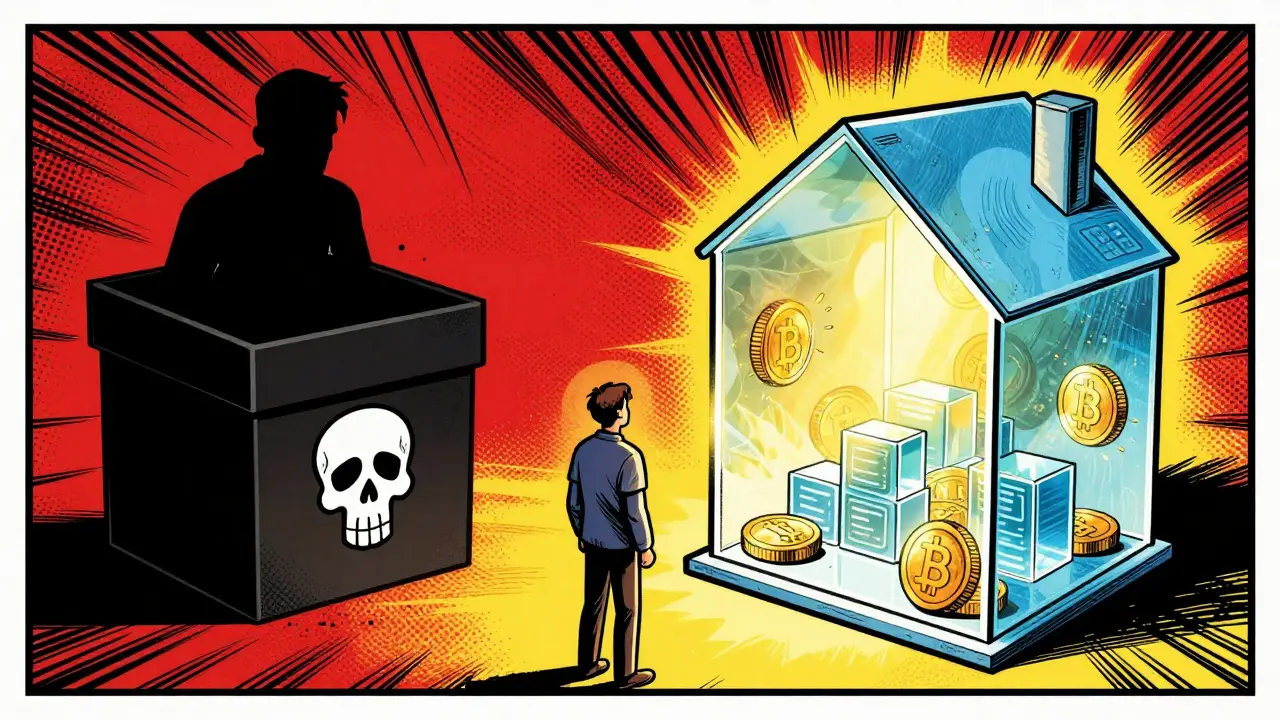
Trust is the most expensive currency in the world of philanthropy. For decades, donors have sent money into a black box, hoping it reaches those in need. Scandals, administrative bloat, and opaque accounting have eroded that trust. Now, blockchain technology is changing the game by turning that black box into a glass house. In 2026, we are no longer just talking about Bitcoin prices. We are seeing real-world applications where distributed ledger technology ensures every cent of a donation is traceable, tamper-proof, and verifiable. This isn't just about tech for tech's sake; it’s about restoring faith in giving. If you’ve ever wondered where your charitable contribution actually went, blockchain provides the answer without asking for permission.
The Trust Deficit in Traditional Philanthropy
Before understanding the solution, you need to understand the problem. Traditional charity models rely on centralized databases and manual reporting. A donor gives $100 to an organization. That organization pays staff, rent, and marketing before sending the remainder to the cause. The donor receives a generic annual report months later. There is no way to verify if that specific $100 bought food, medicine, or something else entirely.
This lack of visibility leads to donor fatigue. People stop giving because they feel disconnected from the impact. Furthermore, traditional systems are prone to human error and fraud. Funds can be misallocated, lost, or even stolen without immediate detection. The overhead costs of auditing these systems are high, meaning less money goes to the actual beneficiaries.
Distributed Ledger Technology (DLT) solves this by creating a shared, immutable record of transactions. Once data is entered onto the blockchain, it cannot be altered or deleted. This creates a permanent history of every transaction, visible to anyone with access to the network. It shifts the burden of proof from the charity’s word to mathematical verification.
How Smart Contracts Automate Transparency
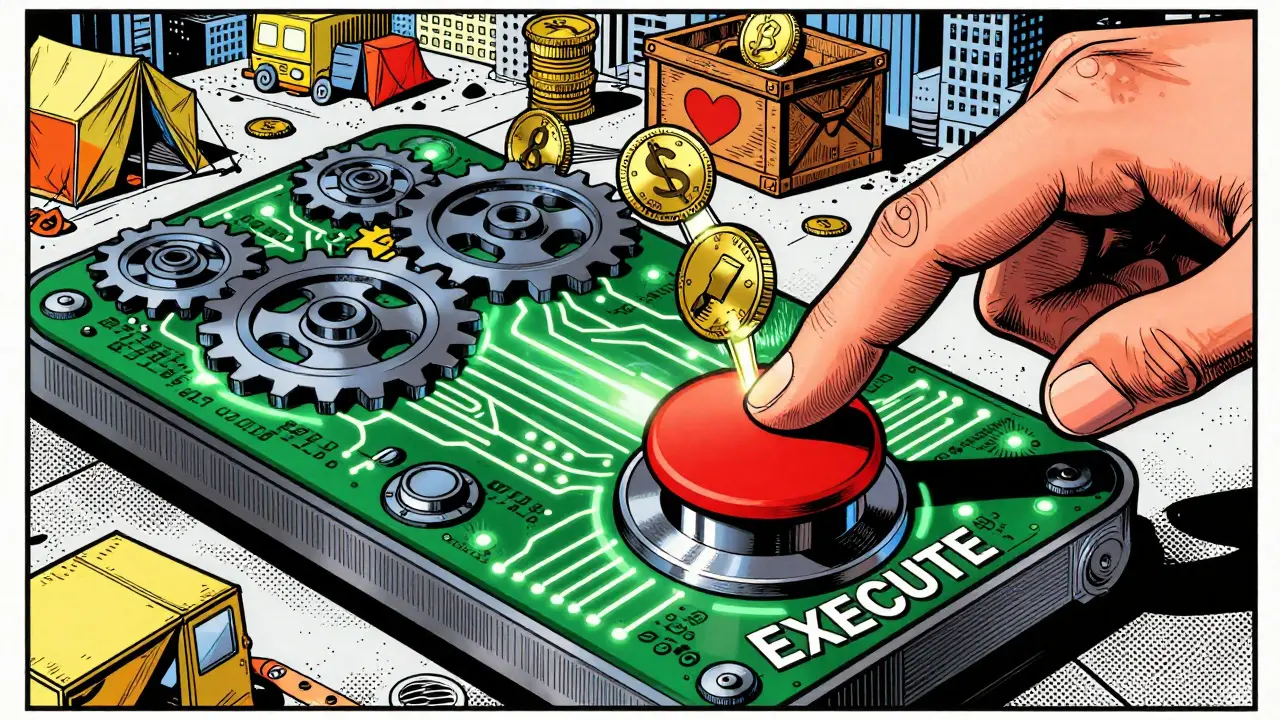
The magic behind blockchain transparency lies in smart contracts. These are self-executing contracts with the terms of the agreement directly written into code. Instead of relying on lawyers or administrators to ensure funds are used correctly, the code enforces the rules automatically.
Imagine a donation campaign for disaster relief. A smart contract can be programmed to release funds only when specific milestones are met. For example, the contract might hold the funds until a verified logistics partner confirms that supplies have been delivered to the affected region. Only then does the money transfer to the vendor’s wallet. If the milestone isn’t met, the funds remain locked or are returned to the donors.
This automation eliminates intermediaries who traditionally take a cut for processing payments. It reduces administrative overhead and ensures that resources are allocated efficiently. In platforms like DonateBlocks, which operates on the Ethereum blockchain, users can deploy these contracts to create events with strict parameters. The system tracks the total donations received and ensures compliance with the predefined goals.
Real-World Architecture: The DonateBlocks Model
To see how this works in practice, look at the architecture of platforms like DonateBlocks. This system uses two distinct types of smart contracts to manage the donation lifecycle:
- DonationEvent Contracts: Created by the donor or event organizer. These specify the goal amount, the recipient organization, and any additional instructions. They act as the source of truth for what was promised.
- DonationTracking Contracts: Created by the recipient organization. These provide public records of all donations received and how they were utilized. They serve as the audit trail.
The process begins with identity verification. Unlike anonymous crypto transactions, reputable charity platforms require decentralized identity verification. This involves document authentication and email verification to prevent bad actors from exploiting the system. Once verified, donors can contribute using virtual tokens or fiat currencies converted through integrated payment processors.
The platform also handles material donations, not just cash. It tracks the procurement, transportation, deployment, and distribution of physical goods. Every step is recorded on the blockchain, creating a complete lifecycle view. Donors can query historical records to see exactly when and where their contributions arrived.
Case Study: LUXARITY and Traceable Impact
A compelling example of blockchain in action is the LUXARITY system. This platform allows consumers to donate luxury goods, with the proceeds going to various causes. Here is how the transparency works:
- Purchase Recording: When a consumer buys an item, the transaction is saved on the blockchain. The user’s identity remains private, but the transaction hash is public.
- Cause Allocation: Users receive unique PIN numbers that allow them to allocate their contribution to specific causes.
- Transparent Reporting: Specialized reports detail the percentage of each consumer’s contribution that goes to grants. The total grant amounts are visible on-chain.
This model addresses the chronic issue of poor material management in charities. By tracking the entire lifecycle-from procurement to distribution-organizations can prove that their resources are being used effectively. It turns abstract generosity into concrete, verifiable action.
| Feature | Traditional Charity | Blockchain Charity |
|---|---|---|
| Transparency | Annual reports, delayed updates | Real-time, immutable ledger |
| Intermediaries | Banks, admins, auditors | Smart contracts (automated) |
| Cost Efficiency | High overhead fees | Lower gas fees, reduced admin |
| Trust Mechanism | Institutional reputation | Code verification & cryptography |
| Traceability | Limited, often opaque | 100% end-to-end tracking |
Enhancing Engagement with NFT Rewards
Technology alone doesn’t drive adoption; engagement does. One innovative feature emerging in 2026 is the integration of Non-Fungible Tokens (NFTs) as donor rewards. These aren’t just digital art pieces; they serve as verifiable certificates of participation.
When you make a donation, you might receive an NFT that represents your contribution. This token acts as a digital collectible, commemorating your act of philanthropy. More importantly, it proves authenticity. You can share this NFT on social media, showing others that you supported a specific cause. This creates a new layer of social proof and community building around charitable giving.
For organizations, NFTs offer a new revenue stream. They can mint limited-edition tokens tied to major campaigns, attracting collectors who also want to do good. This blends entertainment with philanthropy, making giving more interactive and rewarding.
Technical Barriers and Implementation Challenges
While the benefits are clear, implementing blockchain donation systems is not without hurdles. The primary challenge is technical complexity. Organizations need expertise in Solidity programming to write secure smart contracts. Bugs in code can lead to catastrophic losses, so rigorous auditing is essential.
User experience is another barrier. Most people are not comfortable managing cryptocurrency wallets or dealing with private keys. Platforms must integrate seamlessly with familiar tools like MetaMask or Shopify to lower the entry threshold. The goal is to make the backend complex while keeping the frontend simple.
Regulatory compliance is also critical. Charities operate under strict financial laws. Blockchain’s pseudonymous nature can conflict with anti-money laundering (AML) regulations. Solutions involve robust decentralized identity verification systems that satisfy legal requirements without compromising user privacy.
The Future of Transparent Giving
We are moving toward a future where transparency is the default, not the exception. As blockchain infrastructure matures, we will see broader ecosystem integration. Governments may adopt these systems for disaster relief, ensuring aid reaches victims quickly and honestly. International humanitarian aid could become more efficient, reducing cross-border transaction costs and delays.
The focus is shifting from just raising money to proving impact. Donors want to know that their contributions create tangible change. Blockchain provides the data to show that change. With improved user interfaces and simplified onboarding processes, this technology will become accessible to everyone, not just tech-savvy early adopters.
The era of blind faith in charity is ending. In its place is a system built on code, verification, and undeniable truth. For donors, this means peace of mind. For charities, it means restored trust and greater efficiency. And for the beneficiaries, it means faster, more reliable support.
Is blockchain donation safe?
Yes, blockchain donations are highly secure due to cryptographic encryption and immutability. However, safety depends on the security of the smart contracts used. Reputable platforms undergo third-party audits to prevent vulnerabilities. Users should also secure their own digital wallets and private keys.
Can I donate fiat currency via blockchain?
Most modern platforms allow fiat donations. The system converts your currency into cryptocurrency on the backend, processes the transaction on the blockchain, and then converts it back if needed for the recipient. You don’t necessarily need to buy crypto first.
Are my personal details private?
Blockchain transactions are pseudonymous. Your identity is not directly linked to your wallet address on the public ledger. However, platforms requiring KYC (Know Your Customer) verification for regulatory compliance will store your data securely off-chain.
What happens if a smart contract fails?
Well-designed smart contracts include fail-safes. If conditions are not met, funds typically remain locked or are returned to the donor. Regular code audits help identify potential failures before deployment. Always use established platforms with proven track records.
Why do some charities resist blockchain?
Resistance often stems from fear of transparency. Some organizations rely on opaque operations or high overhead costs. Blockchain exposes inefficiencies and requires operational changes. Additionally, the initial technical investment and learning curve can be daunting for non-tech teams.
There are 18 Comments
Albert Lee
finally someone is talking about the real issue here which is trust because we have been giving money into a black box for decades and expecting it to do good but it never does. i remember donating to that one charity in 2019 and never seeing where my money went so when i heard about blockchain i was skeptical but now i see how smart contracts can actually force transparency by locking funds until milestones are met. it is not just about technology it is about accountability and making sure that every cent counts towards the actual cause instead of administrative bloat or marketing campaigns that no one asked for. the idea of having an immutable ledger means that we can finally verify if our donations bought food or medicine without relying on a generic annual report that comes out months later. this is huge for donor fatigue because people stop giving when they feel disconnected from the impact and this system reconnects us with the reality of what our money achieves. imagine being able to track a donation through disaster relief from the moment you click donate to the moment supplies arrive at the affected region that is the kind of peace of mind we need in philanthropy. the integration of nfts as rewards is also clever because it adds a layer of social proof and community building around charitable giving which makes it more engaging for younger generations who want to share their contributions online. however we must be careful about the technical barriers because not everyone knows how to manage crypto wallets or understand private keys so platforms need to make the frontend as simple as possible while keeping the backend complex. regulatory compliance is another big hurdle since charities operate under strict financial laws and blockchain pseudonymity can conflict with anti-money laundering regulations so robust identity verification systems are essential to prevent bad actors from exploiting the system. overall this is a step forward in restoring faith in giving and ensuring that resources are allocated efficiently without intermediaries taking a cut for processing payments. we should support these initiatives because they turn abstract generosity into concrete verifiable action which benefits everyone involved including the beneficiaries who receive faster and more reliable support.
Matt Davis
this entire premise is fundamentally flawed and ignores the basic economic realities of running any organization let alone a charity. you cannot simply code away human error or fraud because the weak link is always the person inputting the data or the physical logistics partner confirming delivery. if a corrupt official signs off on fake supply deliveries the smart contract will release the funds regardless of whether those supplies actually reached the victims. furthermore the gas fees on ethereum during peak times can exceed the value of small donations making this system prohibitively expensive for everyday donors who wish to give modest amounts. the notion that blockchain solves trust is naive because it merely shifts trust from institutions to developers and auditors who are equally fallible and often less accountable. bugs in smart contracts have led to catastrophic losses in other sectors proving that code is not infallible and relying on it for life-saving aid is reckless. additionally the environmental cost of proof-of-work blockchains is unacceptable in an era where climate change threatens the very communities these charities aim to help. even with proof-of-stake the energy consumption remains a significant concern compared to traditional banking systems which have established protocols for efficiency and security. the article glosses over the fact that most charities already undergo rigorous audits and publish detailed reports so the claim of opacity is exaggerated and designed to sell a technological solution to a problem that does not exist at the scale suggested. moreover the resistance from charities is not just fear of transparency but a recognition that the initial investment and learning curve are daunting for non-tech teams who lack the resources to implement such complex systems. therefore we should be cautious about adopting this technology without extensive pilot programs and independent evaluations to ensure it truly improves outcomes rather than adding unnecessary complexity and cost.
Kimberly Herbstritt
i have to disagree with the hype surrounding this because i think people are forgetting that technology is only as good as the people using it and introducing blockchain might actually create more opportunities for exploitation rather than preventing them. yes transparency sounds great but what happens when the decentralized identity verification fails or when hackers target the smart contracts themselves? we have seen too many instances where tech solutions promised to fix societal issues but ended up creating new vulnerabilities that were harder to patch. also the idea of receiving nfts for donations feels like gamifying philanthropy which could trivialize serious causes and turn charitable giving into a status symbol rather than a genuine act of compassion. i worry that this focus on digital rewards might distract from the core mission of helping those in need and shift attention towards collectors who care more about owning unique tokens than supporting specific causes. furthermore the reliance on cryptocurrency introduces volatility risks where the value of donations could fluctuate significantly before reaching the recipient potentially undermining the intended impact. while the intention behind using blockchain for traceability is admirable we must consider whether simpler and more accessible methods could achieve similar results without the steep learning curve and potential for systemic failures. perhaps hybrid models that combine traditional accounting with selective blockchain verification would offer a more balanced approach that respects both innovation and practicality.
Michelle Bonahoom
why do we need foreign tech to solve our problems when our own systems work fine and this blockchain nonsense is just a way for tech bros to get rich off our generosity. america has always had strong charities and we dont need some global ledger to tell us where our money goes because we trust our local organizations to do the right thing without all this complicated coding stuff getting in the way. besides who wants their donation tracked by a computer algorithm anyway its invasive and takes away the personal connection between giver and receiver which is what makes charity meaningful in the first place. i say keep it simple and stick to the tried and true methods that have served us well for centuries instead of chasing after shiny new toys that probably wont last anyway.
Sharada Vakkund
it is fascinating to see how technology can bridge the gap between donors and recipients by providing a clear view of the journey each donation takes from start to finish. in india we have seen similar initiatives using mobile money and sms tracking to enhance transparency in rural development projects and they have been quite successful in building trust among local communities. the concept of smart contracts automating fund releases based on verified milestones is particularly appealing because it reduces the need for manual oversight which can be prone to errors and biases. however it is crucial to ensure that these systems are inclusive and accessible to all stakeholders including those who may not have access to advanced digital tools or internet connectivity. we must also consider the cultural context of giving and ensure that the introduction of blockchain does not alienate traditional donors who prefer more personal interactions with charitable organizations. by integrating user-friendly interfaces and educational resources we can empower individuals to participate confidently in this new paradigm of transparent philanthropy. furthermore collaboration between governments ngos and tech companies is essential to develop standards and best practices that safeguard against misuse and promote ethical implementation of these technologies.
Sudarshan Anbazhagan
the assertion that blockchain technology inherently guarantees transparency and efficiency in charitable giving is a gross oversimplification that fails to account for the multifaceted nature of organizational operations and the inherent limitations of distributed ledger technology in addressing systemic inefficiencies within the broader ecosystem of philanthropy. while the immutability of records provides a certain level of assurance regarding transaction history it does not necessarily correlate with the quality or effectiveness of the services rendered by the recipient organizations nor does it eliminate the possibility of fraudulent activities occurring at the point of data entry or during the physical execution of deliverables. moreover the computational overhead associated with maintaining a decentralized network often results in higher transaction costs and slower processing times compared to centralized financial systems which have evolved over decades to optimize for speed and cost-effectiveness. consequently the adoption of blockchain solutions should be approached with extreme caution and subjected to rigorous empirical analysis to determine whether the purported benefits outweigh the substantial technical operational and regulatory challenges involved in their implementation.
John Gonzalez Bentham
look i know nothing about blockchain but i heard it involves magic internet money so obviously its gonna fix everything right lol. but seriously why cant we just use regular banks they seem to work fine for paying bills and buying groceries so why do we need this whole new system for donations seems like a lot of trouble for something that should be simple. plus i dont want to deal with passwords and keys and all that tech stuff i just want to give money and forget about it not spend hours figuring out how to send it properly. maybe someday it will be easier but for now i think its too complicated for the average person who just wants to help others without becoming a computer expert overnight.
Ellie Riddell
ah yes the classic case of throwing technology at a problem that really needs heart and soul instead of code and cryptography. while i appreciate the effort to make charities more accountable lets not forget that trust is built through relationships and shared experiences not just lines of code on a blockchain. the irony is that by trying to remove human discretion from the equation we might end up stripping away the empathy and flexibility that are essential for effective humanitarian work. sometimes a charity needs to deviate from strict parameters to address urgent unforeseen circumstances and rigid smart contracts could hinder such adaptive responses. additionally the focus on nft rewards suggests a commodification of altruism where giving becomes a transactional exchange for digital collectibles rather than a selfless act driven by compassion. this shift in mindset could undermine the intrinsic motivation that inspires many people to contribute to charitable causes in the first place. so while blockchain offers interesting possibilities we must remain vigilant about preserving the human element that defines true philanthropy.
Destiny Kilby
i find the discussion around blockchain in philanthropy intriguing yet concerning due to the potential implications for privacy and data security. although proponents argue that transactions are pseudonymous the requirement for decentralized identity verification raises questions about who controls this sensitive information and how it is protected from breaches. furthermore the permanence of blockchain records means that any mistakes or inaccuracies cannot be easily corrected which could have long-term consequences for both donors and recipients. it is important to establish clear guidelines and safeguards to ensure that these systems are used responsibly and ethically respecting the rights and dignity of all parties involved. without proper regulation and oversight there is a risk that blockchain could become another tool for surveillance and control rather than empowerment and liberation.
Jerry CUNNINGHAM SR
as someone who has worked extensively in the nonprofit sector i believe that blockchain technology holds immense promise for enhancing transparency and accountability in charitable giving. however it is imperative that we approach its adoption with a collaborative and inclusive mindset involving diverse stakeholders including beneficiaries donors regulators and technologists in the design and implementation process. this ensures that the resulting systems are not only technically sound but also culturally appropriate and socially equitable. we must also invest in capacity building and education to equip existing charitable organizations with the skills and knowledge needed to leverage these new tools effectively. by fostering open dialogue and sharing best practices we can create a supportive environment that encourages innovation while mitigating risks and maximizing positive impacts on society.
Shelby Cantu
great points raised here about the potential of blockchain to revolutionize charity. let us stay focused on the goal of helping people and remember that technology is just a tool to achieve that end. we need to keep pushing for solutions that are easy to use and beneficial for everyone involved. thank you for starting this conversation.
Tobias Gjerlufsen
you people are completely missing the forest for the trees because blockchain is not just a database it is a philosophical shift towards decentralization and autonomy that challenges the very foundations of modern capitalism and state control. the fact that you are discussing this in terms of mere efficiency gains shows your limited understanding of the deeper implications of distributed ledger technology which seeks to redistribute power from centralized authorities to individual users. furthermore the criticism regarding gas fees is irrelevant because layer two scaling solutions and alternative consensus mechanisms are rapidly evolving to address these issues rendering current complaints obsolete. the real issue is the entrenched interests of traditional financial institutions and bureaucratic charities who resist change because it threatens their monopoly on resource allocation and decision-making. we must embrace this disruption and accelerate the transition to a post-scarcity economy enabled by programmable money and automated governance structures that prioritize meritocratic distribution over arbitrary privilege. anything short of full adoption is merely tinkering at the margins of a broken system that deserves to be dismantled entirely.
Ruben Michel
the proposition that blockchain technology can seamlessly integrate into existing charitable frameworks without significant disruption is deeply misguided and reflects a profound ignorance of the structural complexities inherent in large-scale organizational management. elite institutions have maintained their dominance not through inefficiency but through sophisticated networks of influence and expertise that cannot be replicated by simplistic algorithms. the notion that smart contracts can replace seasoned administrators overlooks the nuanced judgment required to navigate ambiguous situations and build lasting partnerships with stakeholders. moreover the emphasis on radical transparency disregards the strategic necessity of confidentiality in certain contexts such as protecting vulnerable beneficiaries or negotiating favorable terms with suppliers. thus the uncritical celebration of blockchain as a panacea for philanthropic woes reveals a superficial grasp of both technology and sociology.
Gavin Wonnacott
i find it amusing that you think a bunch of anonymous coders can possibly improve upon centuries of refined charitable practices developed by distinguished gentlemen in clubs and boardrooms. your obsession with tracking every penny betrays a petty distrust of human nature that is both tiresome and counterproductive to the spirit of generosity. true philanthropy requires discretion and elegance not the crude exposure of financial details to the masses via some primitive digital ledger. furthermore the idea of rewarding donors with nfts is utterly vulgar reducing noble acts of kindness to mere collectibles for vanity projects. i suggest you reflect on the deeper meaning of giving beyond these superficial metrics of transparency and efficiency which ultimately serve only to satisfy your insatiable curiosity rather than alleviate suffering.
Samara McCallum
oh wow another day another revolutionary tech solution that promises to save the world while ignoring the messy reality of human behavior and institutional inertia. i guess we should all just ignore the fact that most people still prefer sending checks or using credit cards because they are familiar and convenient despite the alleged flaws. maybe instead of forcing blockchain onto charities we should ask what they actually need and want rather than imposing our vision of utopia based on code and cryptography. but sure lets pretend that everyone is excited about managing private keys and verifying transactions on a public ledger because that sounds like so much fun doesnt it. honestly i am just waiting for the next big trend to come along and render all this talk of blockchain obsolete once again.
Sheldon Friesen
well well well look at all you skeptics clinging to your outdated notions of how things should be done. meanwhile the rest of us are busy exploring innovative ways to enhance transparency and engagement through blockchain technology. sure there are challenges but isn't that true for any new endeavor? the key is to learn adapt and grow together as a community committed to making a difference. so instead of tearing down ideas let us build them up and find constructive paths forward that benefit everyone involved. after all progress rarely happens without a little bit of friction and debate along the way.
Tricia Alach
i think this is really cool but i worry that not everyone will understand how to use it properly especially older folks who might struggle with the tech side of things. it would be nice if there were more tutorials or guides available to help people get started without feeling overwhelmed. also i hope that the costs dont go up too much because affordability is key for widespread adoption. overall though i am optimistic about the potential for positive change and look forward to seeing how this evolves in the coming years.
Jan Gilmore
let me clarify something for you all who seem confused about the mechanics of blockchain in philanthropy. it is not about replacing humans with robots it is about augmenting human capabilities with verifiable data trails that reduce ambiguity and increase confidence in outcomes. the smart contracts mentioned in the article are essentially conditional logic engines that execute predefined rules without bias or delay ensuring consistency across millions of transactions. this scalability is impossible to achieve manually hence the need for automation. additionally the integration of nfts serves as a psychological incentive mechanism leveraging behavioral economics principles to encourage repeat participation and social sharing. critics who dismiss this as frivolous fail to recognize the powerful role of gamification in driving user engagement and retention. therefore embracing these innovations is not optional if we wish to remain competitive and relevant in the global landscape of charitable giving.
Write a comment
Your email address will not be published. Required fields are marked *