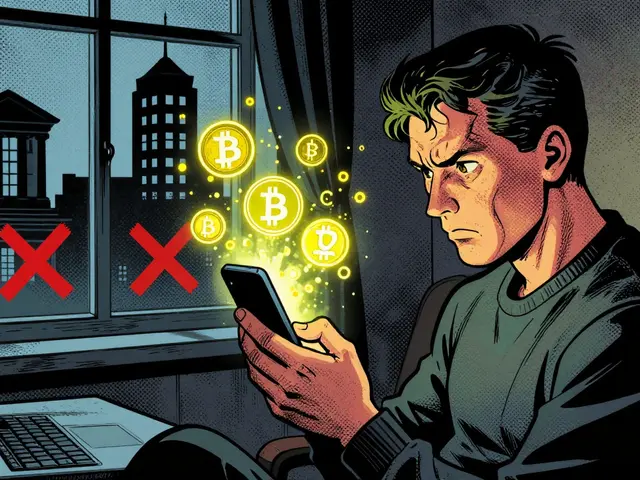
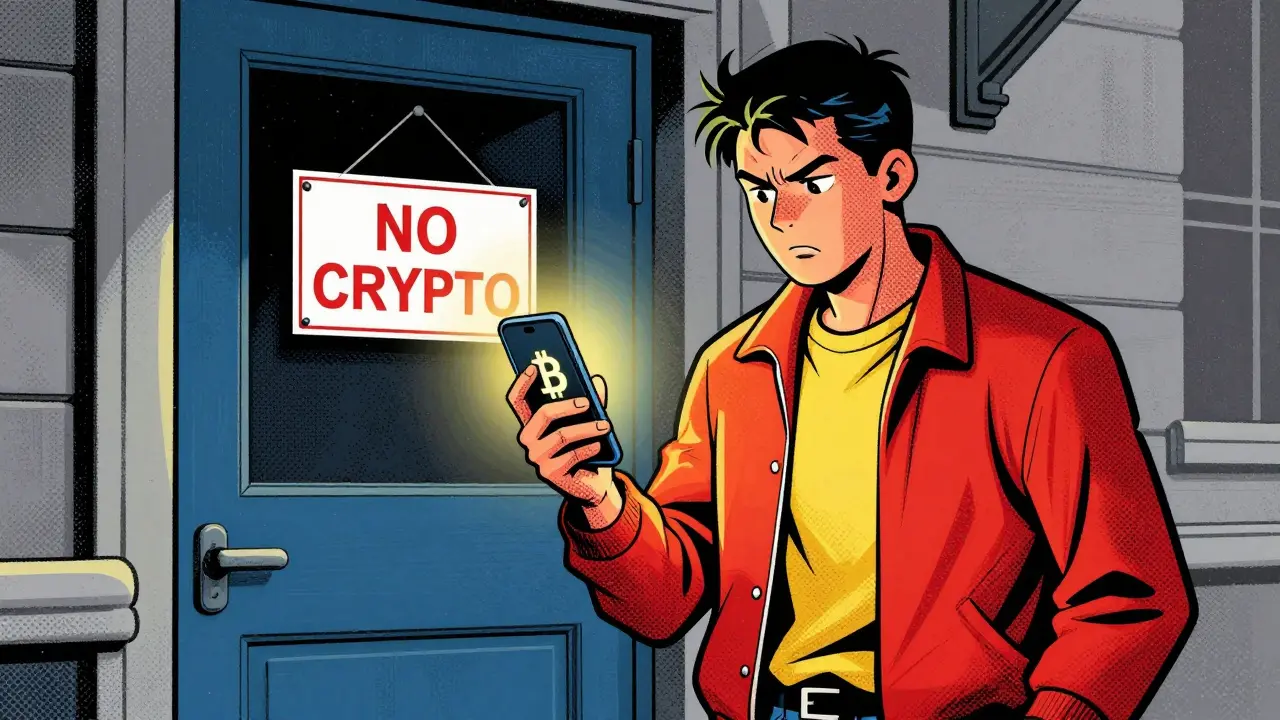
Imagine living in a country where sending money to your family abroad costs more than the money itself. Or worse, imagine your bank account getting frozen simply because you tried to buy digital assets. For millions of people in nations with strict cryptocurrency regulations or outright bans, this isn't a hypothetical scenario-it is daily life. This reality has turned P2P crypto platforms into essential survival tools rather than just speculative trading venues.
In 2026, the landscape of peer-to-peer cryptocurrency exchanges that allow direct user-to-user transactions without centralized intermediaries has evolved significantly. These platforms are no longer niche corners of the internet; they are robust financial infrastructures supporting billions of dollars in volume annually. They provide a lifeline for citizens in countries like Nigeria, Turkey, and Bangladesh, where traditional banking systems either exclude them or actively restrict their financial freedom.
The Reality of Crypto Restrictions in 2026
To understand why P2P platforms matter, we first need to look at who is restricting what. As of mid-2026, over 18 countries maintain some form of significant restriction on cryptocurrency usage. These restrictions range from total bans on ownership to prohibitions on using crypto as payment or blocking access to centralized exchanges.
Countries like China, Algeria, Egypt, Qatar, Morocco, Nepal, Bangladesh, and Tunisia have implemented strict measures. In China, for example, authorities intensified enforcement in recent years, leading to thousands of arrests related to illegal crypto transactions. Meanwhile, nations like Vietnam ban the use of crypto as payment but allow holding it, imposing heavy fines for violations. The Central African Republic even briefly adopted Bitcoin as legal tender before repealing the measure due to implementation challenges and pressure from international bodies like the IMF.
These restrictions often stem from concerns about capital flight, money laundering, and financial stability. However, they also create a massive underground demand for alternative financial channels. When the government closes one door, people find another. That other door is P2P trading.
How P2P Platforms Bypass Traditional Barriers
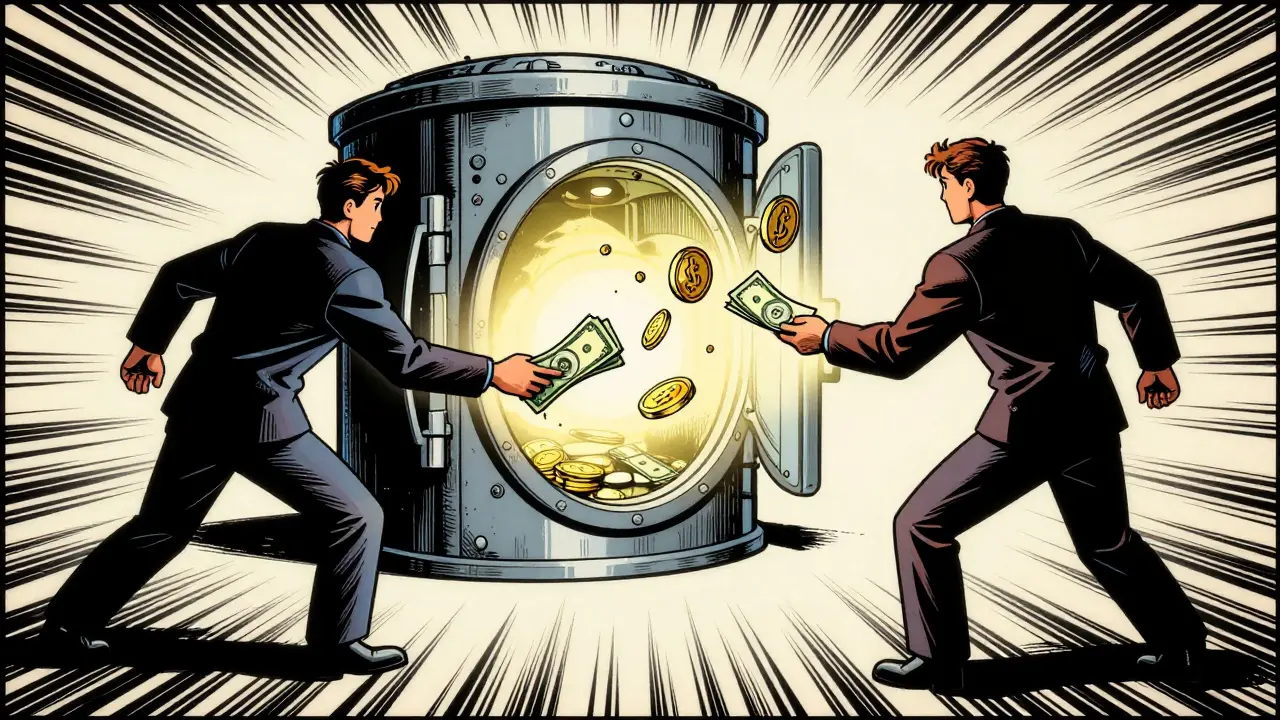
Peer-to-Peer (P2P) trading is a method where buyers and sellers directly negotiate and execute trades, often facilitated by an escrow service provided by the platform. Unlike centralized exchanges that hold your funds and require you to deposit fiat currency through regulated banking rails, P2P platforms connect users directly.
Here is how it typically works in a restricted environment:
- Finding a Counterparty: You browse offers from other users in your country or region. Sellers list the price of Bitcoin or USDT and specify accepted payment methods (bank transfer, mobile money, cash deposit, etc.).
- Escrow Protection: Once you agree on a price, the seller locks their crypto into the platform's escrow system is a secure holding area where funds are kept by a neutral third party until both sides fulfill their obligations.. This prevents scams where one side doesn't deliver.
- Payment Execution: You send the local currency directly to the seller via the agreed method. This happens outside the platform's control, meaning the platform never touches your fiat money.
- Release: After confirming receipt, the seller releases the crypto from escrow to your wallet.
This model is powerful because it avoids the central point of failure that regulators target: the exchange's bank account. By keeping fiat off-platform, P2P services make it harder for authorities to shut down operations entirely.
Key Players in the Restricted Market
Not all P2P platforms are created equal, especially when operating in high-risk jurisdictions. Here are the major players shaping the market in 2026:
| Platform | Model | KYC Requirements | Best For | Risk Profile |
|---|---|---|---|---|
| Binance P2P | Custodial Escrow | Strict (ID + Face Scan) | High liquidity, beginners | Medium (Regulatory scrutiny) |
| Paxful | Custodial Escrow | Moderate to Strict | Diverse payment methods | High (Fraud risk) |
| HodlHodl | Non-Custodial (Multisig) | None | Privacy-focused users | Low (No ID leak) |
| Bisq | Decentralized Desktop App | None | Advanced users, censorship resistance | Low (Technical barrier) |
Binance P2P dominates in terms of volume due to its massive user base. It offers deep liquidity, meaning you can usually find a trade quickly. However, its strict Know Your Customer (KYC) requirements mean your identity is tied to your activity, which can be risky in banned countries.
Paxful is known for its flexibility, accepting hundreds of payment methods including gift cards and mobile money. This makes it popular in Africa and Asia, but it also attracts higher fraud rates. Users must be extremely vigilant.
For those prioritizing privacy, HodlHodl and Bisq offer non-custodial solutions. Bisq, in particular, runs on a decentralized network requiring no central server, making it nearly impossible to shut down. However, these platforms have steeper learning curves and lower liquidity.
Security Risks and How to Mitigate Them
Trading in restricted countries comes with inherent dangers. According to Chainalysis data, fraud rates in P2P markets are significantly higher than in regulated exchanges. In 2023, Paxful reported that 37% of fraud cases originated from restricted jurisdictions. Common scams include fake payment confirmations, chargeback fraud, and phishing attacks.
To stay safe, follow these critical rules:
- Never release crypto before seeing funds in your bank app. Screenshots can be faked. Only trust actual balance updates.
- Use only trusted traders. Look for users with high completion rates (95%+) and long trade histories. Avoid new accounts offering prices that seem too good to be true.
- Keep communication on-platform. Moving chats to Telegram or WhatsApp removes the platform's dispute resolution capability.
- Beware of "travel rule" compliance. The Financial Action Task Force (FATF) has pushed for stricter reporting on transactions over $1,000. While enforcement varies, large transfers may trigger alerts.
- Secure your device. Since many users download APK files directly (as apps are removed from stores in banned countries), ensure you are downloading from official sources to avoid malware.
The Legal Gray Area: What Should You Know?
The legality of using P2P platforms depends entirely on your jurisdiction. In some countries, owning crypto is legal, but exchanging it for fiat is not. In others, any crypto-related activity is criminalized.
For instance, in Nigeria, while the Central Bank initially banned banks from servicing crypto firms, P2P trading exploded as a workaround. Today, the regulatory stance is evolving, with sandboxes being explored. In Bangladesh, however, using crypto remains strictly prohibited, and users report frequent bank account freezes despite using P2P methods.
It is crucial to understand that P2P platforms do not provide legal advice. By using these services, you assume responsibility for complying with local laws. Always research the current status of cryptocurrency regulations in your country before engaging in trades.
Future Outlook: Will P2P Survive?
Despite tightening regulations, P2P crypto volume continues to grow. In 2022, P2P transactions in restricted countries grew by 217% year-over-year, reaching $128 billion. Analysts project this could hit $210 billion annually by 2025, driven by economic instability and inflation in regions like Venezuela and Turkey.
The future likely involves a hybrid model. We may see more integration of decentralized finance (DeFi) protocols with P2P interfaces, allowing for greater privacy and resilience. Additionally, as governments realize they cannot stop adoption, some may choose to regulate P2P platforms more formally rather than banning them outright.
For now, P2P platforms remain the most accessible tool for financial sovereignty in restricted environments. They empower individuals to bypass capital controls, hedge against hyperinflation, and send remittances at a fraction of traditional costs. But with that power comes the need for caution, education, and vigilance.
Is it safe to use P2P crypto platforms in banned countries?
Safety depends on the platform and your practices. While P2P allows you to bypass bans, it carries risks like fraud and legal repercussions. Use reputable platforms with escrow, verify traders thoroughly, and keep trades small to minimize exposure.
Which P2P platform requires no KYC?
Platforms like HodlHodl and Bisq operate without mandatory KYC. They use non-custodial models, meaning you retain control of your funds and identity. However, these platforms often have lower liquidity and higher technical barriers.
Can my bank freeze my account for P2P trading?
Yes, this is a common risk in restricted countries. Banks may flag transactions associated with crypto vendors. To mitigate this, use dedicated bank accounts for P2P activities and avoid large, suspicious transfers.
What is the best payment method for P2P in restricted countries?
Mobile money and cash deposits are often preferred in regions with weak banking infrastructure. They are faster and sometimes less scrutinized than traditional bank transfers. However, always check local regulations regarding mobile money limits.
How do I download P2P apps if they are banned on the App Store?
In many banned countries, you must download the APK file directly from the platform's official website. Ensure you enable installation from unknown sources in your Android settings. Always verify the source to avoid malware.