Have you ever wondered if your idle crypto could actually pay you back? In the fast-moving world of MultiversX, formerly known as Elrond, that’s exactly what happens with their unique reward mechanisms. If you’ve been hearing whispers about an EGLD Maiar EarnDrop, you’re likely looking for clarity on whether this is a free money grab or a structured incentive for active users. Spoiler alert: it’s rarely just "free" in the blockchain space; it’s usually payment for participation.
This guide breaks down what we know about the Maiar EarnDrop airdrop by MultiversX details, how it fits into the broader ecosystem, and what you need to do to potentially qualify. We’ll cut through the noise and look at the mechanics of token distribution on one of the most efficient proof-of-stake networks out there.
What Is the MultiversX Ecosystem?
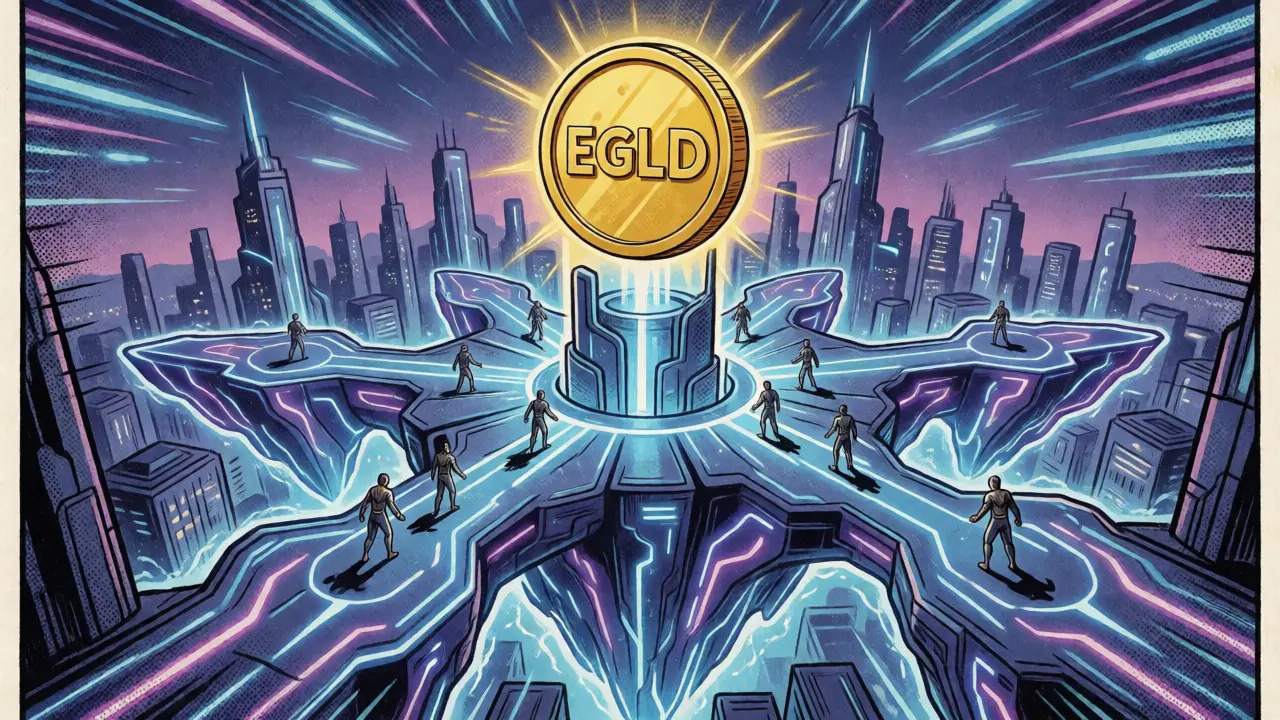
To understand the EarnDrop, you first need to grasp the engine driving it. MultiversX is a high-performance blockchain designed for scalability and efficiency. It uses a technology called Adaptive State Sharding, which allows it to process up to 12,500 transactions per second. That’s incredibly fast compared to older chains like Bitcoin or Ethereum (pre-merge). The native cryptocurrency here is EGLD, often referred to as Electronic Gold.
EGLD isn’t just a speculative asset; it’s the fuel for the entire network. You use it to pay for transaction fees, stake it to secure the network, and participate in governance. With a maximum supply capped at roughly 31.4 million coins, scarcity is built into its DNA. As of late 2026, over 25 million EGLD are in circulation, distributed among public sales, private investors, grants, and community funds. This tight supply model means every new token entering circulation via an airdrop or drop mechanism is significant.
The platform relies on Secure Proof of Stake (SPoS) consensus. Unlike traditional Proof of Work where miners burn energy, SPoS selects validators randomly but securely, rotating them across shards every 24 hours. This prevents collusion and keeps the network honest. When you hold EGLD, you aren’t just holding a coin; you’re holding a key to this decentralized infrastructure.
Decoding the Maiar EarnDrop Concept
So, what exactly is the Maiar EarnDrop? While specific campaign names can change, MultiversX has historically favored "EarnDrops" or structured distributions over random, chaotic airdrops. These programs are typically tied to the Maiar Exchange, the platform’s primary decentralized exchange (DEX).
The core philosophy behind these drops is simple: reward active engagement. Random airdrops often lead to immediate selling, which crashes the price. By tying rewards to actions-like staking, swapping, or providing liquidity-MultiversX ensures that recipients are long-term believers in the ecosystem. An EarnDrop is essentially a targeted incentive program. It’s not just about giving away tokens; it’s about bootstrapping liquidity and user activity on the Maiar platform.
For instance, previous initiatives like Metabonding allocated a portion of new project tokens to existing EGLD stakers. If you were staking EGLD during a specific window, you could claim a share of a new project’s supply. This creates a flywheel effect: more staking leads to higher security, which attracts more projects, which offer more rewards to stakers.
How Token Distribution Works on MultiversX
Understanding the flow of value helps you predict future opportunities. MultiversX doesn’t just dump tokens into wallets. They use smart contracts and claim mechanisms. Here’s how a typical distribution event plays out:
- Eligibility Snapshot: The protocol takes a snapshot of the blockchain at a specific block height. If you held EGLD in your wallet or had it staked at that moment, you’re eligible.
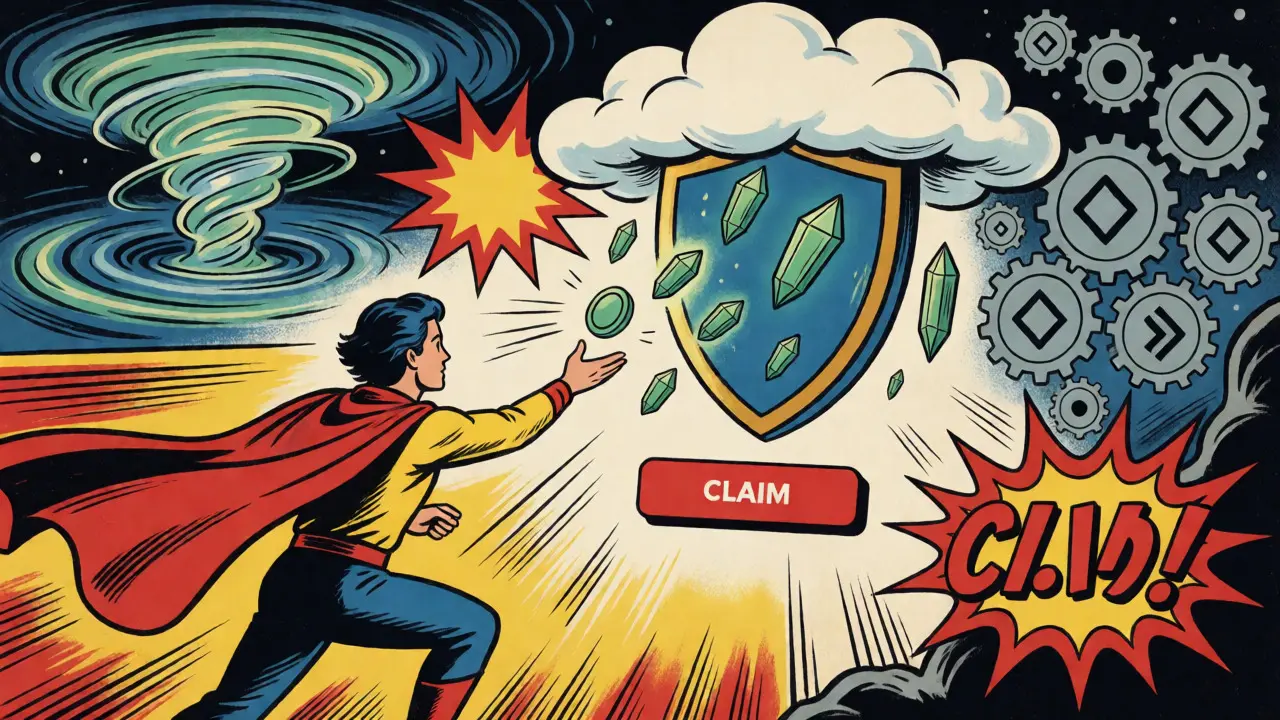
- Claim Mechanism: Tokens don’t always appear automatically. You often have to visit the Maiar Exchange or a dedicated dApp and click "Claim." This interaction proves you’re an active user, not a bot.
- Vesting Schedules: To prevent dumping, some EarnDrops release tokens linearly over time. You might get 20% upfront and the rest unlocked monthly.
- Staking Requirements: Some drops require your EGLD to be actively staked with a validator node, not just sitting in a cold wallet.
This structure protects the market from sudden supply shocks. It also filters out "airdrop hunters" who join solely to farm tokens and leave immediately.
Why EGLD Holders Benefit from Staking
If you’re interested in earning potential, staking is your best friend. When you delegate your EGLD to a validator, you earn annual percentage yields (APY), currently hovering around 7-9% depending on network conditions. But the real magic happens when you combine staking with EarnDrops.
Consider the economics: you’re earning base staking rewards plus any additional tokens from promotional campaigns. For example, if a new DeFi project launches on MultiversX, they might allocate 5% of their total supply to EGLD stakers. If you’re already staking, you double-dip. You get the native yield and the new project tokens. This dual-reward system is why many whales keep their EGLD locked up rather than trading it daily.
Moreover, developers building on MultiversX receive 30% of gas fees generated by their smart contracts. This incentivizes high-quality dApps, which in turn attract more users, increasing transaction volume and fee generation. It’s a self-sustaining economy where everyone-from validators to developers to holders-has a financial incentive to grow the network.
Step-by-Step: How to Position Yourself for Future Drops
You don’t want to miss out because you didn’t have your assets in the right place. Here’s a practical checklist to ensure you’re ready for the next big distribution event on MultiversX:
- Get a Compatible Wallet: Use XPortal or Maiar App. These are the official interfaces for interacting with the MultiversX ecosystem. Hardware wallets like Ledger work too, but you’ll need to connect them via a web interface.
- Acquire EGLD: Buy EGLD from major exchanges like Binance, Kraken, or Coinbase. Withdraw it to your personal wallet. Remember, "not your keys, not your coins."
- Delegate Your EGLD: Go to the staking section in your wallet. Choose a reputable validator with low commission rates and high uptime. Delegate your EGLD. This step is crucial for most EarnDrops.
- Interact with Maiar Exchange: Occasionally swap small amounts of EGLD for other tokens on Maiar DEX. Active transaction history can sometimes boost eligibility scores in complex algorithms.
- Monitor Official Channels: Follow MultiversX on Twitter/X and join their Discord. Announcements for specific EarnDrops happen there first. Don’t rely on third-party blogs alone.
By keeping your EGLD staked and occasionally interacting with the DEX, you position yourself in the top tier of eligible participants. Passive holding is good, but active participation is better.
Risks and Considerations
No financial strategy is without risk. While EarnDrops sound appealing, consider the following pitfalls:
| Factor | Benefit | Risk |
|---|---|---|
| Token Value | Free tokens add to your portfolio value. | New tokens can be volatile and may lose value quickly after listing. |
| Liquidity | Staking locks funds but earns yield. | Unstaking periods (usually 10 epochs) mean you can’t sell instantly during a crash. |
| Complexity | Smart contract automation handles distribution. | Scams exist. Always verify the URL before connecting your wallet to claim. |
| Tax Implications | Airdrops are often taxable income upon receipt. | Failing to track claims can complicate tax filings in New Zealand and elsewhere. |
Always check the tax laws in your jurisdiction. In many places, receiving an airdrop is considered taxable income at the fair market value on the day you receive it. If you sell those tokens later, you might owe capital gains tax on the difference between the value at receipt and the sale price.
The Broader Impact of Structured Distributions
Why does MultiversX bother with these complex mechanisms instead of just sending tokens to everyone? Because sustainable growth matters. Random airdrops create temporary hype. Structured EarnDrops create loyal communities. When users feel rewarded for their specific contributions-like securing the network through staking-they’re less likely to abandon the chain when prices dip.
This approach aligns incentives. Validators want stable delegators. Developers want active users. Users want returns. The EarnDrop model bridges these needs. It transforms the blockchain from a speculative casino into a productive economy. As we move deeper into 2026, expect these mechanisms to become even more sophisticated, possibly integrating reputation scores or on-chain activity metrics to determine eligibility.
Is the Maiar EarnDrop automatic?
Not always. Many MultiversX distribution events require you to manually claim tokens via the Maiar Exchange or a specific dApp. Check your dashboard regularly during announcement periods.
Do I need to hold EGLD in my wallet to qualify?
Yes, generally you need to hold EGLD in a compatible wallet like XPortal or Maiar App. Often, the EGLD must be staked or delegated to a validator node to be eligible for significant EarnDrops.
Can I lose my EGLD by participating in an EarnDrop?
Participating itself doesn’t cost EGLD, but unstaking has a waiting period (typically 10 epochs). During this time, you cannot trade your EGLD, exposing you to price volatility. Also, beware of phishing sites asking for your seed phrase to "claim" rewards.
What is the difference between an airdrop and an EarnDrop?
An airdrop is often a passive distribution to all holders. An EarnDrop, in the context of MultiversX, usually implies a reward for specific actions like staking, providing liquidity, or interacting with smart contracts. It’s merit-based rather than purely possession-based.
Where do I see my earned tokens?
After claiming, tokens will appear in your wallet balance. You can view detailed transaction history on the MultiversX Explorer using your wallet address. Ensure you switch to the correct network if testing on devnets.