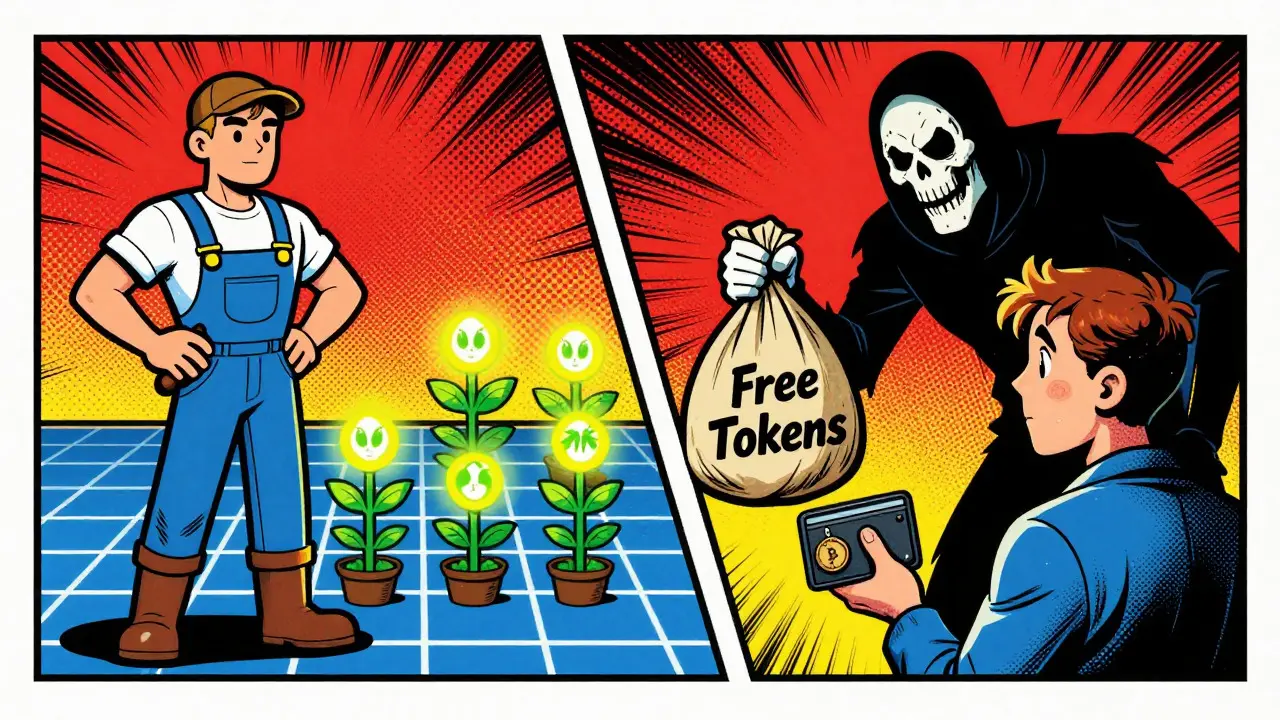
You’ve probably seen the hype circulating in Telegram groups and Discord servers about a massive PVU airdrop linked to the "BSC MVB III" event. The promise is irresistible: send a small amount of Plant vs Undead tokens and get thousands back instantly. It sounds like free money, but in the world of cryptocurrency, if it sounds too good to be true, it almost certainly is.
As of August 2026, there is no verified, official documentation from the Plant vs Undead team confirming a "BSC MVB III" airdrop event. In fact, the details floating around the internet match the exact pattern of one of the oldest and most common scams in the Binance Smart Chain ecosystem. Before you connect your wallet or send a single satoshi, you need to understand what this project actually is, how its mechanics work, and why this specific "airdrop" claim should raise every red flag you have.
The Reality of Plant vs Undead (PVU)
To spot a fake, you first need to know the real deal. Plant vs Undead is a blockchain-based gaming project built on Binance Smart Chain that utilizes BEP20 token standards for its play-to-earn mechanics. Also known as PVU, the game launched with the concept of farming NFT plants to earn rewards. The core loop involves buying digital land, planting NFT seeds, and watering them to generate Light Energy (LE) tokens, which can then be swapped for the native PVU token.
The project has gone through significant changes over the years. While it saw massive popularity during the peak of the play-to-earn boom in 2021, trading at highs around $0.25 per token, the market reality is different today. As of mid-2026, PVU trades at a fraction of that value, hovering around $0.0009. This drastic drop in price reflects broader shifts in the crypto gaming sector, where many early P2E projects struggled to maintain sustainable economics without constant new user inflow.
The game currently operates on structured "Year" cycles. Recent updates indicate operations moving into Year 37, with specific timelines for farming periods, bidding times, and demo phases. The development team has also been working on multiplayer modes, including PvPvP and miniPvP, though these features have faced delays and beta testing phases. Understanding this actual roadmap helps you realize that a random "MVB III" airdrop doesn't fit into their announced technical schedule.
Decoding the "BSC MVB III" Claim
So, what exactly is this "BSC MVB III" event? The term "MVB" typically refers to Binance’s Most Valuable Builder program, a recognition initiative for top contributors in the Binance Smart Chain ecosystem. However, there is no record of Plant vs Undead being awarded an MVB status that triggered a public token distribution event called "III" (implying a third iteration).
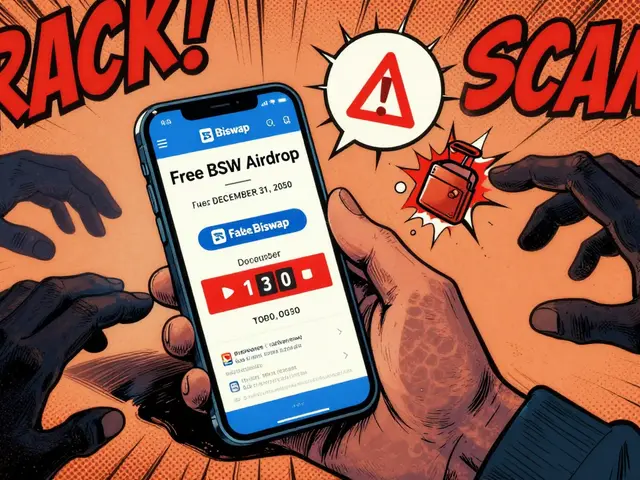
The claims circulating online usually follow a suspicious script. Users are told that to qualify for the airdrop, they must deposit between 200 and 3,000 PVU tokens into a specific wallet address-often cited as 0xc0c3465Fdc5aD466b807dddE629C3C20224007Be or similar variations. The promise? You’ll receive 2,000 to 30,000 PVU in return within minutes.
This mechanism is a classic "send-to-receive" scam. Here is why it fails basic logic:
- No Legitimate Project Asks for Upfront Fees: Real airdrops distribute tokens for free based on past activity (like holding tokens or using the dApp). They never ask you to pay to receive.
- The Math Doesn’t Work: Sending 200 PVU to get 30,000 PVU implies a 15,000% return. In finance, returns that high come with extreme risk, not guaranteed instant payouts from a charity fund.
- Unverified Sources: These claims rarely appear on the official Plant vs Undead website or verified Twitter/X account. Instead, they live on fan wikis, anonymous Telegram channels, and spam comments.
How the PVU Scam Works Step-by-Step
If you decide to interact with this fake airdrop, here is exactly what happens behind the scenes. Understanding the flow helps protect not just your PVU tokens, but potentially your entire wallet balance.
- The Hook: You see a post claiming a limited-time PVU airdrop event. Urgency is key; they say spots are filling up fast.
- The Deposit: You are directed to a simple web page or a bot. You connect your wallet (MetaMask, Trust Wallet, etc.) and approve a transaction to send your PVU tokens to the scammer’s address.
- The Silence: Once the transaction confirms on the Binance Smart Chain, nothing happens. No bonus tokens arrive. The website might show a "pending" status forever.
- The Upsell (Optional):** Some sophisticated scams will then tell you that you need to buy more tokens to "unlock" your reward, squeezing even more value out of you before disappearing.
- The Disappearance:** The link breaks, the Telegram group is deleted, and the wallet address is drained. Your PVU tokens are now in the hands of a stranger who will likely swap them for stablecoins or Bitcoin.
Verifying Official PVU Channels
In the absence of reliable information, verification is your best defense. The Plant vs Undead team communicates primarily through specific channels. If an announcement isn’t there, it didn’t happen.
| Channel Type | Status | What to Look For |
|---|---|---|
| Official Website | Verified | Look for news sections and whitepaper updates. No pop-ups asking for deposits. |
| Telegram Announcements | Verified | Check for blue checkmarks or links from the official site. Admins rarely DM users first. |
| Fan Wikis / Blogs | Unverified | High risk. Anyone can edit these. Treat all "airdrop" guides here as suspect. |
| Anonymous Discord/Telegram Groups | High Risk | If the admin asks for private keys or upfront tokens, leave immediately. |
Always cross-reference any exciting news with CoinMarketCap or CoinGecko listings for PVU. These platforms often feature official social media links and alert users to known scams. Currently, neither platform lists a "BSC MVB III" event in their news feeds for Plant vs Undead.
Current State of the PVU Token Economy
Beyond the scam alerts, it’s worth looking at the health of the PVU token itself. With a total supply of 300 million tokens and only about 12% in circulation historically, the tokenomics were designed for inflationary growth tied to player engagement. However, the current trading volume-hovering around $28,000 USD in the last 24 hours-is relatively low compared to its peak.
This low liquidity means two things:
- Price Volatility: Large buys or sells can move the price significantly, making it risky for large investments.
- Scammer Targeting: Projects with lower market caps and active but smaller communities are prime targets for scammers because the noise of a scam can easily drown out legitimate discussions.
The game mechanics still function. Players continue to farm Light Energy (LE) tokens, which serve as a utility currency for tools like pots and water. Temporary plants provide 250 LE every 72 hours, unaffected by weather events. But these in-game rewards are earned through time and effort, not through magic airdrop buttons.
Red Flags to Watch For in Future Events
Whether it’s PVU or any other crypto project, keep this checklist handy. If an opportunity triggers more than two of these flags, walk away.
- "Send to Receive": Any request to send tokens to a personal wallet address to unlock a reward.
- Urgency Tactics: Phrases like "Only 1 hour left" or "Limited slots available" used to bypass your critical thinking.
- Unofficial Links: Shortened URLs (bit.ly, tinyurl) instead of the project’s official domain.
- Too Good Returns: Promises of doubling, tripling, or multiplying your tokens instantly.
- Lack of Whitepaper Reference: Legitimate events are usually outlined in technical documents or official blogs, not just chat messages.
Conclusion: Stay Safe, Play Smart
The "BSC MVB III PVU Event airdrop" is almost certainly a scam designed to drain wallets of unsuspecting players. The Plant vs Undead project continues to operate its farming and survival modes on the Binance Smart Chain, but it does so through established gameplay mechanics, not free-token giveaways requiring upfront payments.
Protect your assets by sticking to official channels. Verify announcements on the primary website and trusted aggregators. Remember, in crypto, your security is your responsibility. Don’t let the fear of missing out (FOMO) cost you your hard-earned tokens. If it’s not clearly documented by the developers, assume it doesn’t exist.
Is the Plant vs Undead BSC MVB III airdrop real?
No, there is no official evidence supporting the existence of a "BSC MVB III" airdrop for Plant vs Undead. Claims requiring users to send tokens to receive more are widely recognized as scams.
How do I verify official Plant vs Undead announcements?
Always check the official Plant vs Undead website and their verified Telegram announcement channel. Cross-reference with major data aggregators like CoinMarketCap or CoinGecko for legitimacy.
What is the current price of PVU token?
As of mid-2026, PVU trades at approximately $0.0009 USD. Prices fluctuate daily based on market conditions and trading volume.
Does Plant vs Undead still operate?
Yes, the game is still active with ongoing "Year" cycles (currently Year 37+), featuring farming modes, survival challenges, and development of multiplayer PvP modes.
What is Light Energy (LE) in Plant vs Undead?
Light Energy is a utility token generated by farming NFT plants. It is used to purchase in-game tools like water and pots, and can be exchanged for PVU tokens.
Why do scammers target crypto gaming projects?
Gaming communities are often filled with newcomers eager to earn passive income. Scammers exploit this desire for easy gains by creating fake airdrops that mimic legitimate game rewards.