
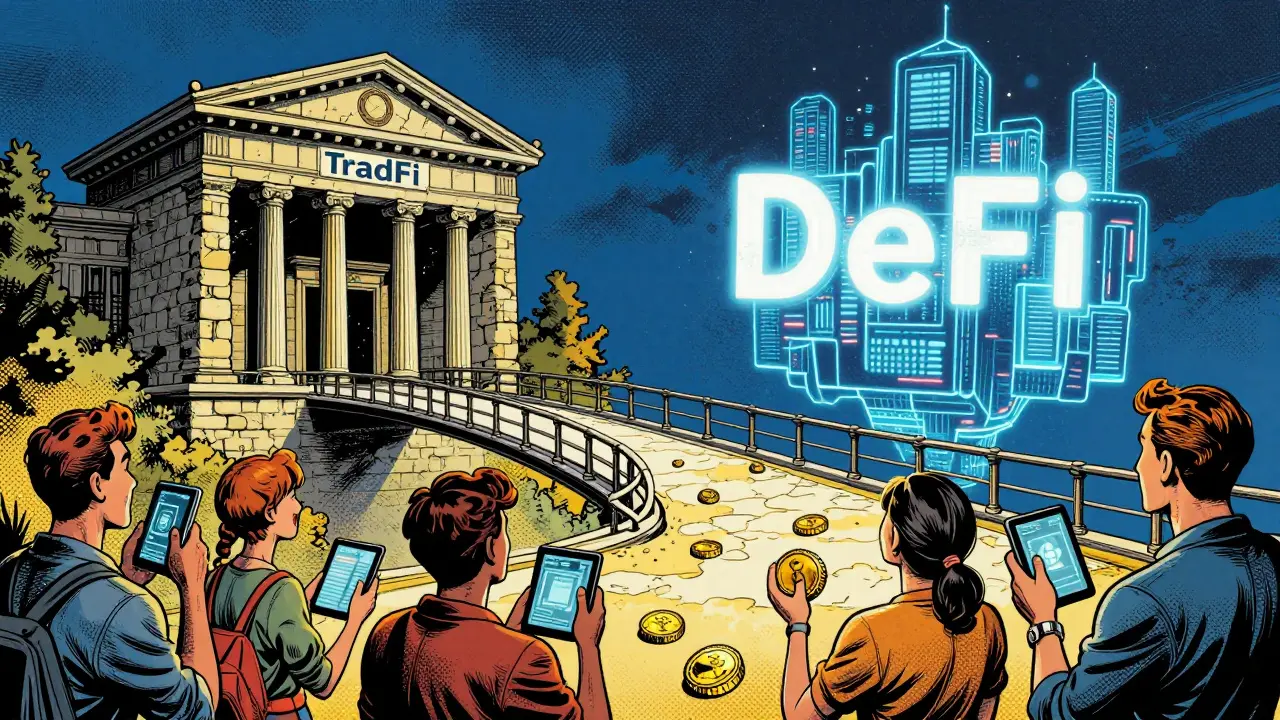
Getting free tokens through an airdrop usually feels like finding money on the sidewalk, but the PureFi Protocol is a decentralized finance compliance protocol designed to bridge traditional finance (TradFi) and DeFi using verifiable credentials. Unlike the wild-west style of most crypto giveaways, the PureFi airdrop is tied to identity and compliance. If you're looking for a simple "click and collect" experience, you might find this one a bit different because it prioritizes security and regulation over raw speed.
Quick Summary of the UFI Airdrop
- Token Ticker: UFI
- Core Requirement: Participation in community challenges and potential KYC verification.
- Distribution Method: Mix of immediate rewards and structured vesting schedules.
- Network Support: Ethereum and Binance Smart Chain.
- Risk Level: High, due to low liquidity and fragmented communication.
What is the PureFi Protocol (UFI) Airdrop?
At its core, the PureFi Protocol is trying to solve a huge problem: how to keep DeFi anonymous but still follow the law. They use Zero-Knowledge Proofs, which is a way to prove you are who you say you are (or that you're over 18, or a resident of a certain country) without actually revealing your private data. This leads us to the PureFi Protocol airdrop, which isn't just a marketing stunt but a way to onboard users into their compliant ecosystem.
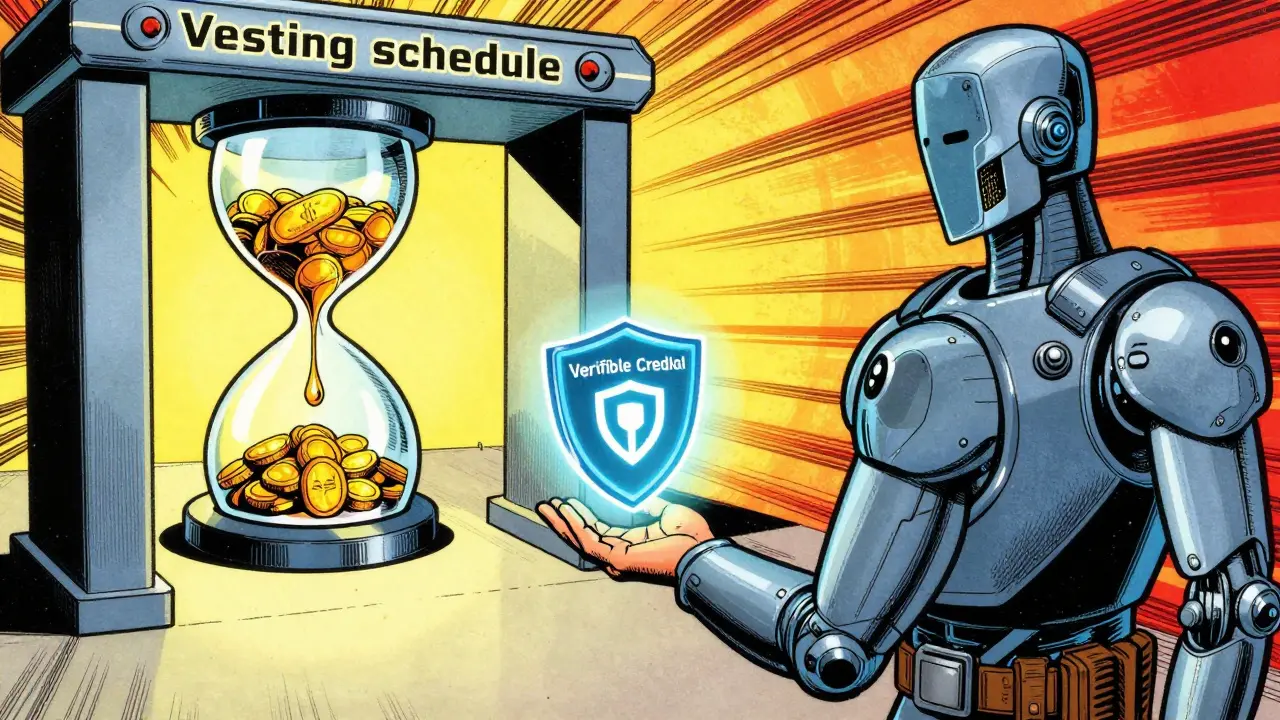
The protocol's tokenomics are built around long-term stability. They've allocated 7% of the total supply for marketing initiatives, which is where airdrop funds typically come from. However, the distribution isn't always instant. Based on their whitepaper, many tokens follow a vesting schedule-meaning you get a portion upfront and the rest drips in daily over several months. This prevents people from dumping all their free tokens the second they hit a wallet.
How to Qualify for UFI Airdrops
If you want to get your hands on some UFI, you can't just hope for a snapshot. PureFi tends to reward active engagement. Here is the typical path based on their historical campaigns:
- Complete Social Quests: In the past, the team has used Telegram quizzes and Twitter (X) challenges. You'll typically need to follow their official accounts and answer questions about DeFi compliance.
- Identity Verification: Because this is a compliance protocol, some rewards require you to use their Self Sovereign Identity (SSI) system. This means you might have to provide a verifiable credential before the tokens are released to your wallet.
- Referral Programs: Some campaigns have incentivized bringing in new users who are interested in the intersection of TradFi and DeFi.
- Liquidity Provision: While less common for airdrops, interacting with their pairs on Uniswap or PancakeSwap often puts users on the radar for future rewards.
| Feature | PureFi (UFI) | Standard DeFi Airdrop |
|---|---|---|
| Requirement | KYC/Verifiable Credentials | Wallet activity/Holding tokens |
| Payout Speed | Often Vested (Linear Release) | Usually Instant |
| Primary Goal | Compliance Onboarding | User Acquisition/Hype |
| Access | Regulated/Verified | Permissionless |
The Reality Check: Risks and Pitfalls
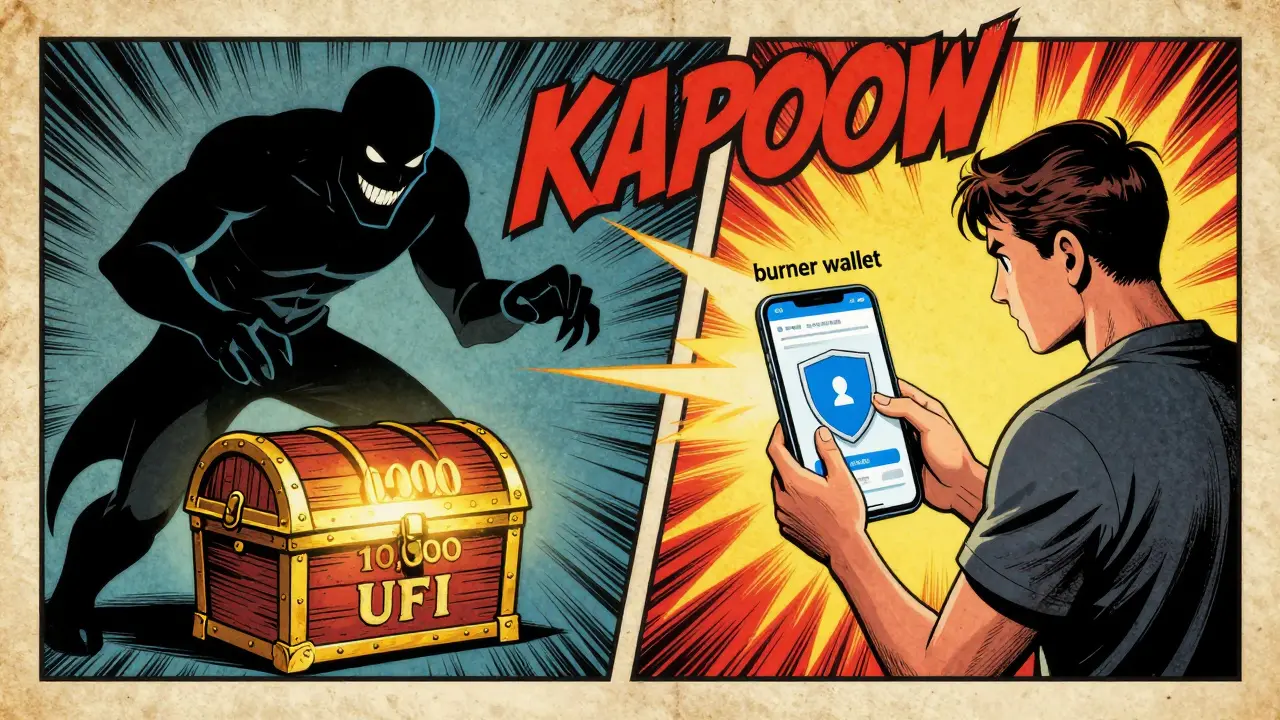
I have to be honest with you: chasing the UFI airdrop comes with a few red flags. First, the communication from the team has been spotty. Some community members on Reddit have complained about dead links and "scam vibes" when trying to complete quests. If you see a link promising 10,000 UFI for free without any effort, it's almost certainly a phishing scam. Only trust links from the official @Purefi_Protocol Twitter account.
Another issue is liquidity. Currently, UFI is mostly traded on decentralized exchanges (DEXs). Because it isn't listed on major centralized exchanges like Binance or Coinbase, selling your airdropped tokens quickly can be difficult if the trading volume is low. For example, some reports show 24-hour volumes dipping below $5,000, which means a large sell-off could crash the price instantly.
Then there is the matter of the treasury. Market analysis shows the project has a relatively small market cap compared to giants like Aave. This means the "massive" rewards promised in some corners of the internet might actually be quite small in dollar terms. If you're spending hours on quizzes, make sure the potential payout is worth your time.
Step-by-Step Guide to Claiming Your Tokens
If you've completed a challenge and are ready to claim, follow these steps to stay safe:
- Verify the Source: Go to the official website or the linked Twitter bio. Never enter your seed phrase into a website to "unlock" an airdrop.
- Connect a Burner Wallet: Use a secondary wallet (like a fresh MetaMask account) with no major assets. If the site is malicious, your main funds stay safe.
- Complete the Verification: If the airdrop requires the PureFi compliance check, follow the prompts to upload your credentials through their secure portal.
- Check the Vesting Period: Once claimed, check if the tokens are immediately tradable or if they are locked in a smart contract to be released over 5 or 10 months.
- Swap on DEX: Use Uniswap or PancakeSwap to trade your UFI for WETH or BNB if you want to realize your gains.
Looking Ahead: The Future of UFI Distribution
Is the PureFi airdrop dead? Not necessarily. There is evidence of new development in their identity verification systems. This suggests they might move away from "social media quizzes" and toward "institutional airdrops." Imagine a scenario where the protocol partners with a European fintech firm to reward professional traders who meet specific regulatory standards.
This shift would make the airdrop less about retail hype and more about building a network of verified, high-value users. For the average person, this means airdrops might become harder to get, but the tokens themselves could potentially gain more utility if the protocol successfully attracts institutional capital.
Is the PureFi Protocol airdrop free?
Yes, the airdrop tokens themselves are free. However, you will need to pay "gas fees" (transaction costs) on the Ethereum or Binance Smart Chain network to claim the tokens to your wallet.
Why do I need to do KYC for a crypto airdrop?
PureFi is a compliance-focused protocol. Their goal is to bridge TradFi and DeFi, which requires ensuring that users are not on sanctions lists and meet legal requirements. This is why they use Verifiable Credentials instead of a permissionless model.
Where can I trade my UFI tokens?
Currently, UFI is primarily available on decentralized exchanges. You can find UFI/WETH pairs on Uniswap and UFI/BNB pairs on PancakeSwap.
What is the vesting period for UFI airdrops?
Vesting varies by allocation. Some distributions unlock a percentage at the start (TGE) and vest the rest daily over two to five months, while others may have a "cliff" (a waiting period) before tokens start releasing.
How do I know if a PureFi airdrop link is a scam?
If a link asks for your private keys, seed phrase, or requires a large "activation deposit," it is a scam. Official PureFi rewards will only ask you to connect your wallet and potentially verify your identity via their official compliance portal.
Next Steps for Participants
If you are new to the ecosystem, start by following the official social channels to catch the next wave of rewards. If you already hold UFI, keep an eye on their GitHub activity and blog for updates on the "compliance-verification-update," as this will likely be the gateway for future targeted distributions.
For those who are risk-averse, consider the current low liquidity as a warning. Don't treat airdrop hunting as a primary investment strategy, but rather as a way to test out new DeFi compliance tools without risking a significant amount of capital.
There are 23 Comments
Prachi Bhadarge
Oh great, another airdrop that basically asks for your birth certificate and a blood sample just to give you a few cents in tokens. Truly a revolution in efficiency.
Nishant Goyal
Interesting approach to compliance. Worth a look for those learning DeFi.
Anna Grealis
yall really trustin these "verifiable credentials"?? it just sounds like a way for them to log every single move we make and sell it to the gov. dont be fooled by the free tokens, its a honeypot for sure.
Trudy Morse
Actually, ZK-proofs are the only way this works. Basic cryptography 101.
Alex Long
Low liquidity. Dead project. Waste of time.
Sean Douglas
The sheer audacity of a project to promise "massive" rewards and then deliver a trickle of vested tokens is simply Shakespearean in its tragedy! I am utterly devastated by the lack of transparency here!
Andrew Southgate
I've actually spent quite a bit of time looking into the ZK-proof implementation they're using, and while it seems a bit clunky at first, I think the long-term vision of bridging TradFi and DeFi is genuinely promising because it opens the door for institutional money that simply cannot enter a completely unregulated space due to their own legal mandates, so if you have the patience for the vesting period, it could be a great way to get in early on a protocol that actually has a path toward real-world adoption rather than just being another meme coin that disappears in a week.
Robert Preston
Using a burner wallet as mentioned is the only way to handle this. Do not risk your main holdings on any new protocol, regardless of how "compliant" they claim to be.
Adedamola Oyebo
Check the contract address on Etherscan first!!! Always verify!!!
Ian Chait
Absolute rubbish. Just another way for the globalists to track our wallets with this "SSI" nonsense. Typical corpo-crypto sludge, probly designed in a basement in some tax haven to fleece the Brits again.
John and Lauren Busch
Lol, imagine caring about the globalists in 2024.
Michelle Stanish
I don't like it.
Gaurav Undirwade
It is profoundly disappointing that some individuals prioritize meager financial gain over the sanctity of their personal privacy. One must question the moral fiber of a user who willingly submits their identity to a digital ledger for the sake of a few tokens. Truly a lamentable state of affairs for the modern investor.
Vicky Duffala
Let's look at the bigger picture! This is just the beginning of how we'll all interact with finance. It's a journey of trust and tech! 🚀
Jeff Barlett
Actually, I think the vesting is the only good part. It stops the immediate dump and keeps the price from hitting zero in ten minutes, which is what happens to every single airdrop these days!
Sean Mitchell
The UI is an absolute disaster. I cannot believe people are actually using this interface in the current year. It's an insult to the user experience.
Kaitlyn Wu
Everyone needs to stay focused on the safety steps. Burner wallets are non-negotiable.
Keri Pommerenk
agree with that i think its the safest way to go
Ankit Sindhu
If anyone is struggling with the KYC part, just take it slow and make sure your documents are clear. It's a bit of a hurdle but it helps the project stay legal.
Adam Mann
I'm just really happy to see more people getting into the DeFi space even if it's a bit complicated at first because once you get the hang of it you realize how powerful these tools are for people all over the world who don't have access to traditional banks and this kind of compliance bridge might actually help those people get better rates and more security in the long run if the team stays honest and keeps building!
Shantal Sanjur
Oh honey, please. "Institutional capital" is just code for "we want the big banks to take over DeFi." This isn't a bridge, it's a surrender. But hey, enjoy your three dollars worth of UFI while the sharks eat the project from the inside out.
Kevin Lư
Honestly, who has the energy to do a quiz for some tokens? I tried it for five minutes and the site lagged. Just not worth the effort for me, but hey, if you guys like doing homework for free, go for it!
Evan Iacoboni
The liquidity is way too low for this to be viable. How can a protocol claim to bridge TradFi when the trading volume is less than a local lemonade stand?
Write a comment
Your email address will not be published. Required fields are marked *