
Imagine buying a slice of a skyscraper in New York for the price of a used car. That’s not science fiction anymore; it’s Real Estate RWA Tokenization. This process turns physical bricks and mortar into digital tokens on a blockchain, letting you own a fraction of a property without needing a mortgage or a million dollars in cash. If you’ve ever felt locked out of the property market because prices are sky-high, this technology is finally handing you the key.
Why should you care? Because the traditional way of investing in real estate is slow, expensive, and exclusive. You need huge capital, you deal with shady brokers, and selling your asset can take months. Real Estate RWA Tokenization fixes this by breaking down barriers. As of late 2024, the market for these tokenized assets hit $13.5 billion, growing over 60% in just one year. Major players like BlackRock and JPMorgan aren’t just watching from the sidelines-they’re jumping in. By 2030, analysts predict this could become a $2 trillion industry. Here is how it works, what to watch out for, and whether it’s right for your portfolio.
What Exactly Is Real Estate Tokenization?
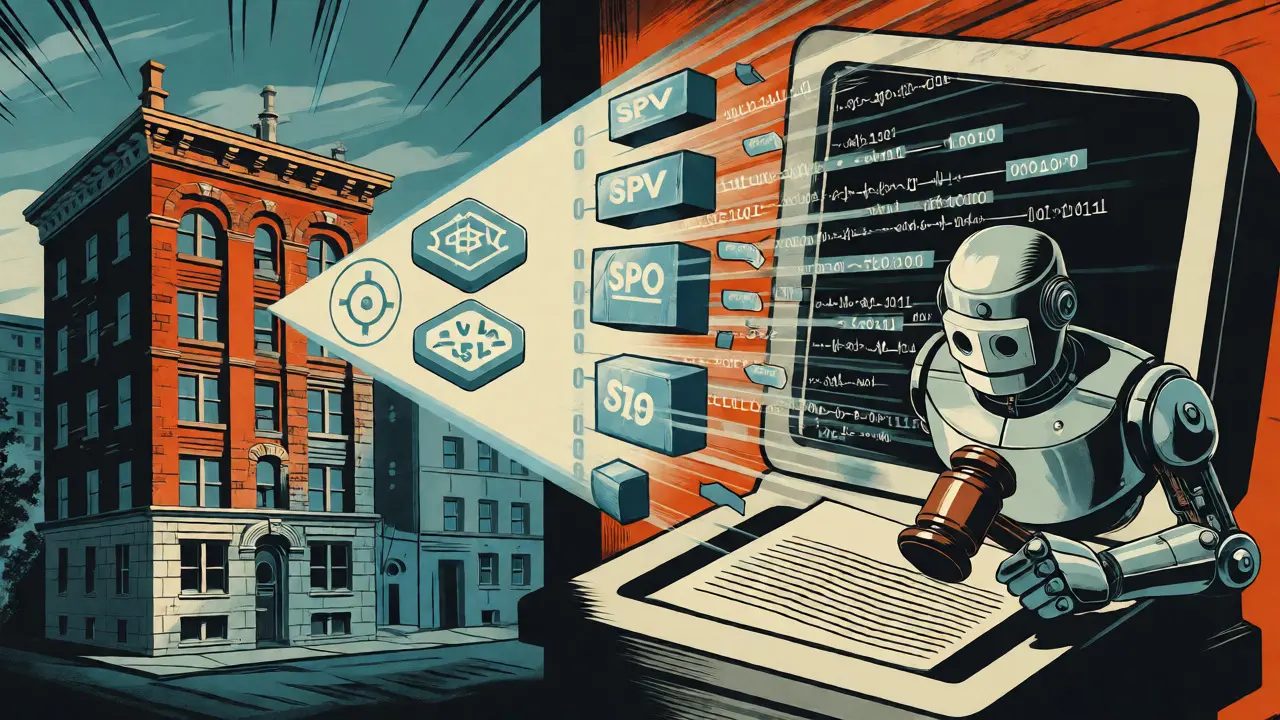
At its core, Real Estate RWA Tokenization is the conversion of property rights into digital tokens. Think of it like an IPO, but for buildings instead of companies. Instead of issuing shares, a Special Purpose Vehicle (SPV)-a legal entity created solely to hold the property-issues tokens. Each token represents a specific percentage of ownership in that SPV.
This isn’t just about digitizing paperwork. It changes the fundamental mechanics of ownership:
- Fractional Ownership: You don’t buy the whole house. You buy 0.01% of it. Minimum investments can drop as low as $1,000.
- Liquidity: Traditional real estate takes months to sell. Tokens can be traded 24/7 on secondary markets, similar to stocks.
- Transparency: Every transaction, dividend payment, and ownership change is recorded on an immutable blockchain ledger.
The technical backbone usually relies on Ethereum’s ERC-20 standard, though newer chains are entering the mix. Smart contracts automate the boring stuff: they collect rent, distribute dividends to token holders automatically, and enforce compliance rules. No more waiting weeks for a check to clear. The system uses Oracles, like Chainlink, to feed real-world data (like rental income figures) into the blockchain so the smart contract knows exactly how much to pay out.
The Step-by-Step Process: From Building to Block
How does a physical building actually become a digital token? It’s not magic; it’s a rigorous five-step process that blends law, finance, and code. If you’re looking to tokenize an asset or invest in one, understanding this pipeline helps you spot quality projects.
- Asset Selection & Due Diligence: Developers pick properties with stable cash flows, like commercial offices or apartment complexes. They verify titles, zoning laws, and physical condition.
- Legal Structuring (The SPV): A Special Purpose Vehicle is created. This legal wrapper holds the deed to the property. Investors don’t own the land directly; they own shares in the SPV via tokens. This step is critical for legal enforceability.
- Token Minting: Digital tokens are generated on a blockchain network. These tokens represent equity in the SPV.
- Smart Contract Deployment: Code is written to handle dividends, voting rights, and transfer restrictions. For example, a smart contract might lock tokens for six months to prevent panic selling.
- Distribution & Trading: Tokens are sold to investors through security token offerings (STOs) and listed on regulated exchanges.
This entire cycle typically takes 90 to 150 days. Most of that time isn’t spent coding-it’s spent on legal verification and valuation. If a project promises to launch in two weeks, run. Quality tokenization requires thorough off-chain work before anything hits the chain.
Tokenized Real Estate vs. REITs: What’s Better?
You might wonder, "Isn’t this just a REIT (Real Estate Investment Trust)?" Not quite. While both allow fractional ownership, the mechanisms differ significantly. REITs are traditional securities traded on stock exchanges. Tokenized real estate is a digital asset on a blockchain. Here’s how they stack up against each other.
| Feature | Traditional REITs | Tokenized Real Estate |
|---|---|---|
| Minimum Investment | Price of one share (often $10-$50) | Often lower ($100-$1,000 depending on platform) |
| Trading Hours | Market hours only (e.g., 9:30 AM - 4 PM EST) | 24/7 global trading |
| Transparency | Quarterly reports, opaque holdings | Real-time blockchain audit trail |
| Intermediaries | Banks, brokers, custodians (high fees) | Smart contracts, minimal intermediaries |
| Liquidity | High (if publicly traded) | Growing, but dependent on secondary market depth |
| Regulatory Clarity | Well-established | Evolving, varies by jurisdiction |
REITs have the advantage of established liquidity and regulatory safety. However, they lack the transparency and programmable features of blockchain. With tokenized assets, you can see exactly where every dollar of rent goes. Plus, you avoid the 3-6% broker fees common in traditional deals. But remember: while REITs are liquid, tokenized markets are still young. Selling a token quickly during a market crash might be harder than selling a blue-chip REIT stock.
Risks and Challenges You Can’t Ignore
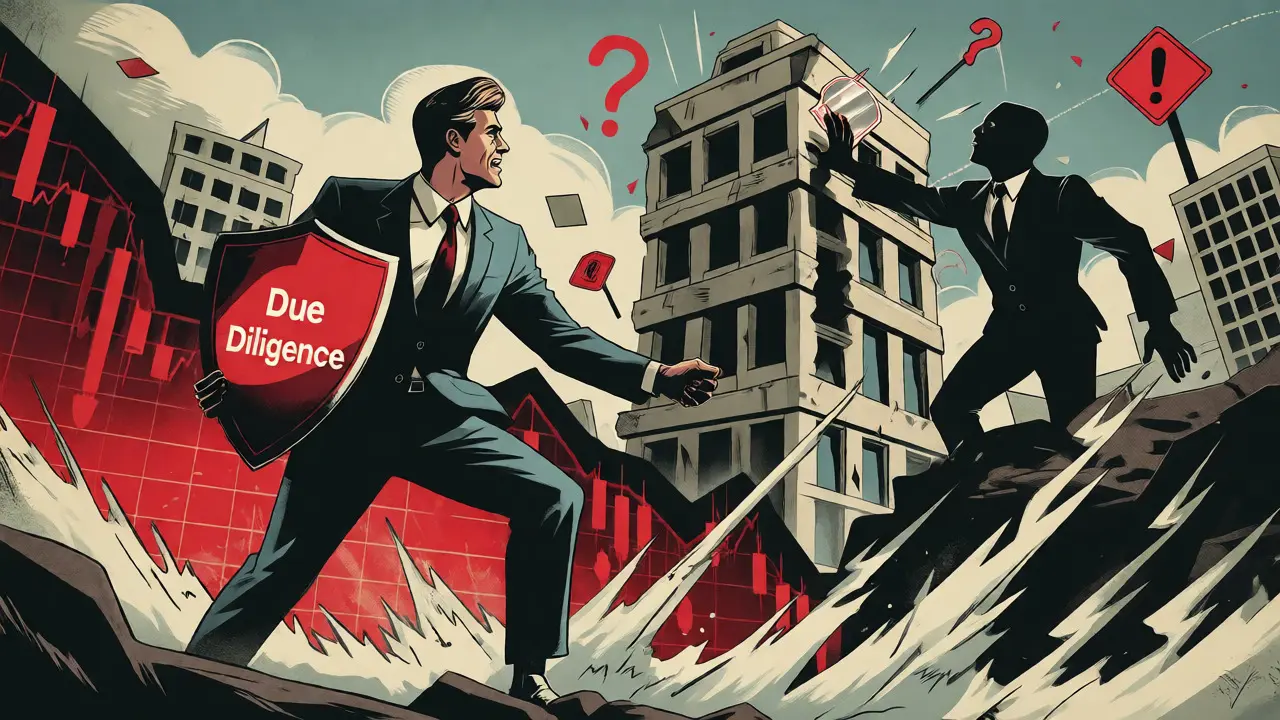
It’s not all smooth sailing. If you ignore the risks, you could lose money or get stuck with an illiquid asset. The biggest hurdle isn’t technical-it’s legal. Only about 37% of global markets have clear frameworks for RWA tokenization. In jurisdictions without clear laws, enforcing your ownership rights if something goes wrong can be a nightmare.
Consider these pitfalls:
- Regulatory Uncertainty: Laws are changing fast. The EU’s MiCA regulation provides clarity, but the US is still piecing together rules. A change in law could impact tax treatment or investor eligibility.
- Secondary Market Liquidity: Just because a token exists doesn’t mean there’s always a buyer. Early platforms suffered from thin order books. Always check the trading volume before investing.
- Oracle Risk: Smart contracts rely on external data feeds. If the Oracle providing rent data fails or is manipulated, payouts could be incorrect.
- Technology Glitches: Smart contracts are code. Bugs happen. While audits help, no code is perfect. A hack or bug could freeze funds temporarily.
Also, beware of "token washing." Some projects slap a token on a bad asset just to ride the hype. Look for projects partnered with reputable property managers like JLL or CBRE. These firms ensure the physical asset is well-maintained, which protects your digital investment.
Who Is Leading the Charge?
The ecosystem is maturing rapidly. You’ll see different types of players, each serving a specific role. Understanding who is behind a project gives you insight into its stability.
- Platforms: Companies like Brickken and Securitize handle the technical and legal heavy lifting. Brickken, for instance, has facilitated numerous residential and commercial tokenizations, offering tools for both issuers and investors.
- Institutional Giants: BlackRock launched BUIDL, a tokenized fund holding US Treasuries, signaling institutional confidence. They are now expanding into real estate. Fidelity and JPMorgan are also piloting tokenized mortgages and funds.
- Regulatory Hubs: Switzerland, Singapore, and Wyoming (USA) are leading jurisdictions. If a project is based in one of these places, it likely adheres to stricter compliance standards.
For individual investors, platforms like Mantra Chain or specialized crypto-real estate exchanges are becoming accessible. You don’t need to be a coder. You just need a crypto wallet and an understanding of the underlying asset.
Is It Right for Your Portfolio?
Should you dump your savings into tokenized apartments? Probably not. But allocating a small portion (5-10%) to alternative assets like RWAs can diversify your risk. Traditional real estate correlates poorly with stocks, meaning when the stock market crashes, property values often hold steady or rise. Tokenization adds another layer: accessibility.
Ask yourself these questions before investing:
- Do I understand the legal structure? Do you know if you’re owning direct equity or debt in an SPV?
- Is the yield realistic? Commercial real estate yields typically range from 4-8%. Anything promising 20%+ might be hiding significant risk.
- Can I afford to lock up my capital? Many tokens have vesting periods or low liquidity. Don’t invest money you need next month.
- Who manages the property? Verify the track record of the property management firm involved.
If you’re tech-savvy and want exposure to global markets without the hassle of being a landlord, this is a compelling option. If you prefer simplicity and guaranteed liquidity, stick to REITs for now.
Do I actually own the property when I buy a token?
Not directly. You usually own shares in a Special Purpose Vehicle (SPV), which is a legal entity that owns the property. The token proves your ownership stake in that SPV. This structure ensures legal enforceability under existing property laws, rather than creating new, untested rights.
How do I receive rental income from tokenized real estate?
Rental income is collected by the property manager and sent to the SPV. Smart contracts then automatically distribute the profits to token holders’ wallets. This happens periodically (monthly or quarterly) and is transparent, with transactions visible on the blockchain explorer.
Is tokenized real estate safe from hacks?
The blockchain itself is secure, but the smart contracts and platforms hosting them can have vulnerabilities. Reputable platforms undergo rigorous third-party audits. However, user error (like losing private keys) remains a risk. Always use hardware wallets for larger amounts.
What are the taxes on tokenized real estate?
Tax treatment depends on your jurisdiction. Generally, capital gains apply when you sell the token, and income tax applies to rental dividends. In some regions, holding tokens might qualify for different tax benefits compared to direct property ownership. Consult a local tax advisor familiar with digital assets.
Can I live in the property I bought a token for?
Typically, no. Most tokenized real estate projects are investment-grade properties designed for passive income, such as office buildings or multi-unit residential complexes. Unless specifically stated (which is rare), tokens do not grant residency or usage rights.