Crypto Regulations in North Africa: What You Need to Know
When it comes to crypto regulations North Africa, the legal landscape for digital assets across countries like Egypt, Morocco, Algeria, and Tunisia is still being written — often in response to real-world usage, not theoretical policy. Also known as African crypto laws, these rules are less about uniformity and more about survival: how do you let people use crypto without letting it destabilize your economy? Unlike Europe or the U.S., there’s no single regional framework. Each country is testing its own path, and that makes things messy — but also full of opportunity.
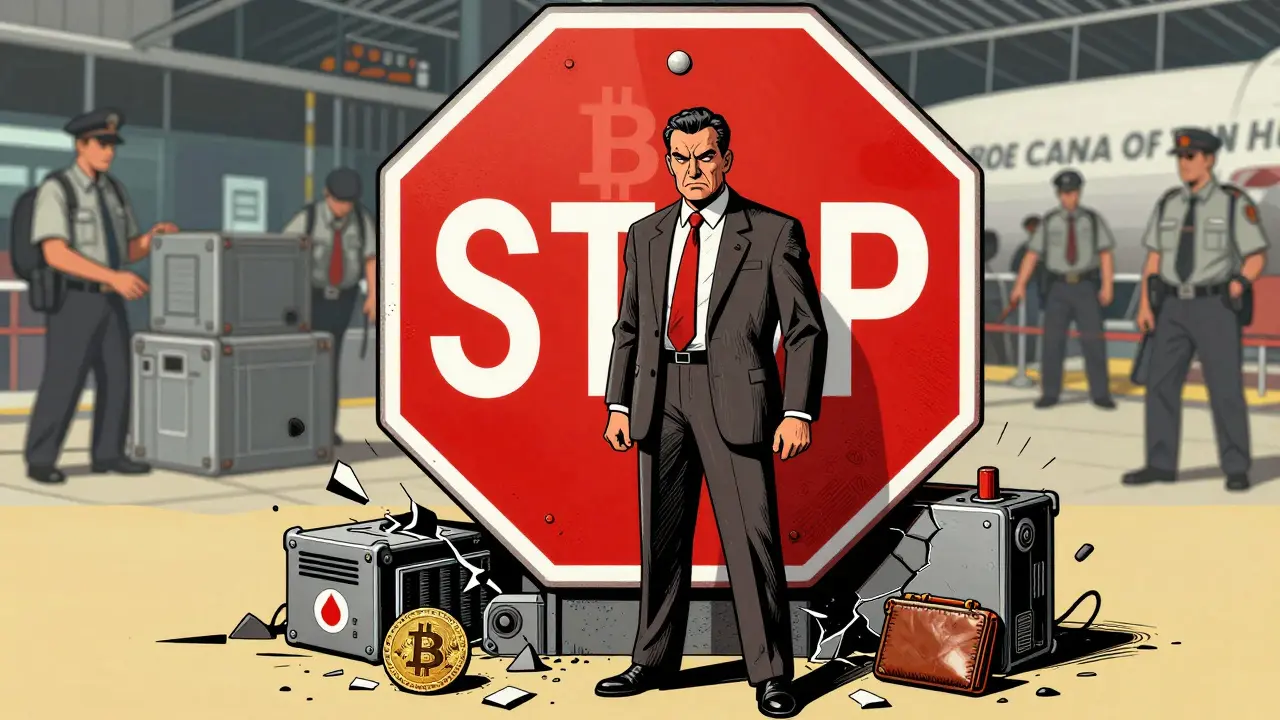
One key player is blockchain regulation, the set of legal and technical standards governments use to monitor or restrict digital asset activity. In Egypt, the central bank has banned banks from handling crypto transactions outright, yet millions still use peer-to-peer platforms. Meanwhile, Morocco officially outlawed crypto in 2017, but enforcement is patchy, and underground trading continues. Algeria took a similar hardline stance, but recent reports suggest officials are quietly exploring pilot projects for a state-backed digital currency — hinting that outright bans may be temporary fixes, not long-term strategies. This tension shows up in the posts you’ll find below: exchanges like Narkasa and Coinzo operate in Turkey and North Africa because local users need access, even if the rules aren’t clear. Regulatory uncertainty isn’t just a footnote — it’s the main reason institutional investors stay away, as seen in the post about blockchain barriers, the legal, technical, and financial obstacles keeping big money out of crypto. Without clear rules, even the most secure platforms can’t attract serious capital.
Then there’s cryptocurrency compliance, the process of meeting legal requirements like KYC, AML checks, and reporting obligations. In North Africa, where many users rely on informal channels, compliance often means trusting a local P2P trader over a regulated exchange. That’s risky — and that’s why scams thrive. Posts like the one on WUSDR crypto and Buff Network aren’t just warnings about fake tokens — they’re warnings about what happens when regulation doesn’t keep pace with adoption. When people can’t use legal platforms, they turn to untracked ones. And that’s where money gets lost.
What’s missing from the conversation? A lot. Most reports focus on Egypt or Morocco, but what’s happening in Sudan or Libya? Are regulators even tracking decentralized finance protocols? The posts here don’t sugarcoat it: some platforms operate in legal gray zones because there’s no clear law saying they can’t. Others, like WhiteBIT or Blockchain.com, avoid the region entirely because the risk outweighs the reward. That’s not just a business decision — it’s a signal.
So what does this mean for you? If you’re trading, staking, or holding crypto in North Africa, you’re not just playing the market — you’re navigating a patchwork of untested rules. The next big move might come from a central bank, a court ruling, or a sudden crackdown. There’s no playbook. But the posts below give you the facts: who’s getting fined, which exchanges are risky, what tokens are dead, and where the real money is moving — even when the law doesn’t say it’s allowed. You won’t find a single answer here. But you’ll find enough to make smarter choices.