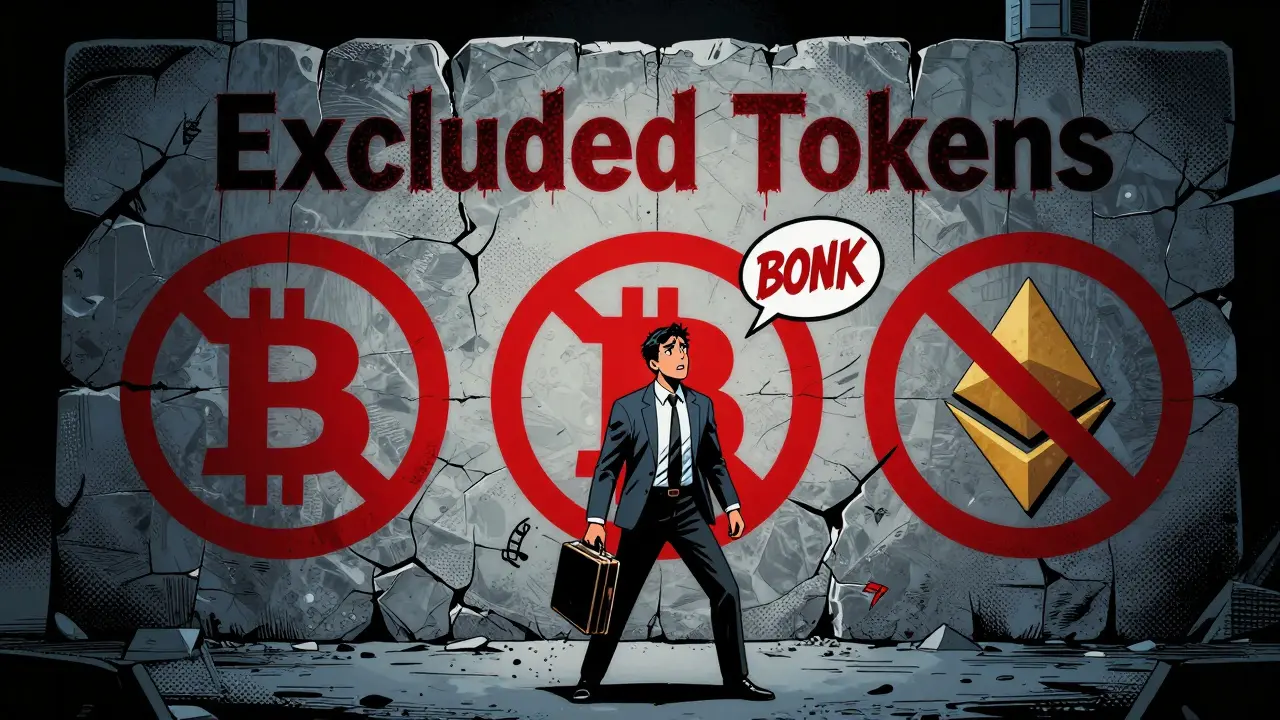
Living in Doha means navigating a financial landscape that is both sophisticated and strictly guarded. If you are a resident looking to buy Bitcoin or trade Ethereum on a local exchange, you will hit a wall. Qatar maintains one of the toughest stances on cryptocurrency in the Middle East. However, the rules shifted significantly in late 2024, creating a confusing but important distinction between what is banned and what is permitted. Understanding this difference is not just about avoiding fines; it is about knowing where legitimate investment opportunities actually exist.
The short answer is that traditional cryptocurrencies like Bitcoin are effectively illegal for trading within the country’s regulated financial centers. But if you are interested in blockchain technology applied to real-world assets-like tokenized shares or real estate-the door is slightly ajar. This guide breaks down exactly what you can and cannot do as a resident in 2026, based on the latest regulations from the Qatar Financial Centre (QFC).
The Core Ban: Why Bitcoin Is Off-Limits
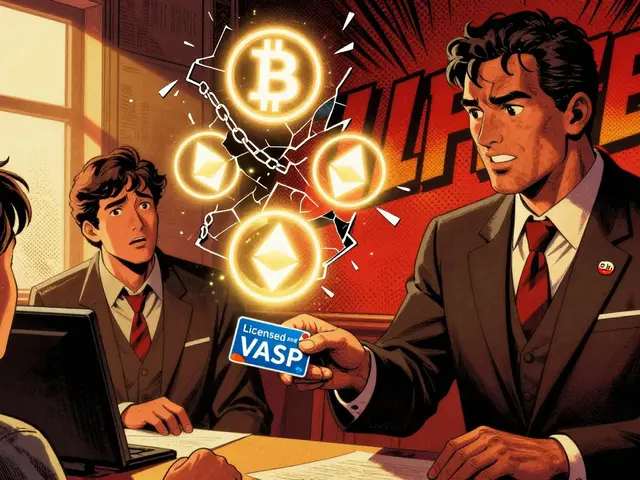
To understand the current situation, you have to look at how the Qatar Financial Centre Regulatory Authority (QFCRA) defines digital assets. Under the Digital Assets Regulations 2024, which came into effect on September 1, 2024, the regulator created two distinct categories: "Permitted Tokens" and "Excluded Tokens."
This classification is crucial. "Excluded Tokens" include almost everything the average retail investor thinks of as crypto. This list explicitly covers:
- Cryptocurrencies: Including Bitcoin (BTC), Ethereum (ETH), and other decentralized coins.
- Stablecoins: Digital currencies pegged to fiat money, such as USDT or USDC.
- Central Bank Digital Currencies (CBDCs): Digital versions of national currencies issued by central banks.
Why are these excluded? The QFCRA views them as "currency substitutes." In the eyes of the regulator, these assets pose significant risks related to money laundering, illicit financing, and extreme market volatility. Because they lack a tangible backing in physical assets or legal rights recognized under Qatari law, they are barred from the formal financial system.
This isn't a new policy direction. It builds on years of tightening controls. Back in February 2018, the Central Bank of Qatar banned all commercial banks from trading cryptocurrencies. By December 2019, the QFCRA issued an alert limiting services for virtual assets acting as currency substitutes. The 2024 framework simply codified these bans into a comprehensive legal structure, ensuring there is no gray area for service providers operating within the Qatar Financial Centre (QFC).
The Exception: Permitted Tokens and Real-World Assets
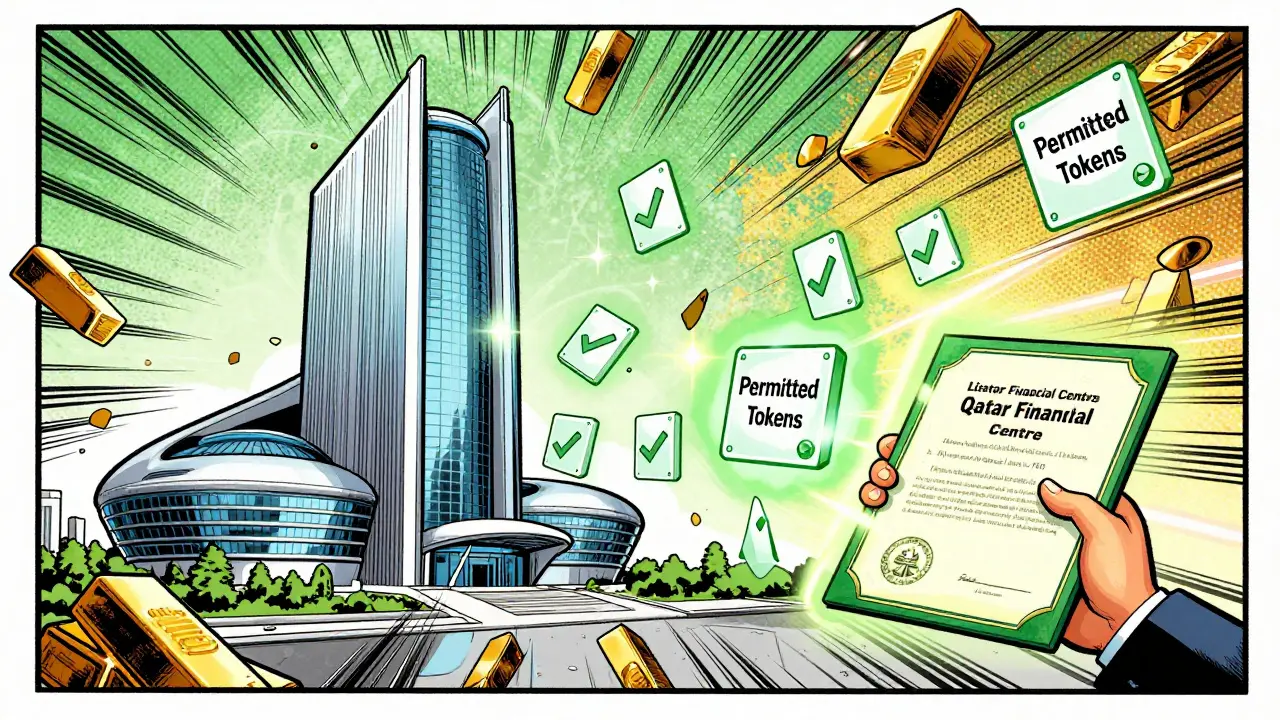
If the ban on Bitcoin seems absolute, there is a parallel track that allows for innovation. The same 2024 regulations introduced "Permitted Tokens." These are not speculative coins; they are digital representations of verified rights tied to real-world assets.
Think of it as taking a physical asset and putting it on the blockchain. A Permitted Token might represent:
- A share in a publicly traded company.
- A bond or sukuk (Islamic finance instrument).
- A commodity like gold or oil.
- A fraction of ownership in real estate.
The key difference here is validation. You cannot just create a token out of thin air. The process requires three mandatory steps:
- Validation: A licensed validator must issue a certificate verifying that the underlying asset exists and that the owner has the right to tokenize it.
- Request: The asset owner formally requests the tokenization.
- Generation: A licensed token generator creates the digital token on specific, approved infrastructure.
This structure ensures that every permitted token has a clear legal basis and a tangible value anchor. For investors, this means you can participate in the digital asset economy without exposing yourself to the wild price swings of unbacked cryptocurrencies. It also aligns with Qatar’s broader economic strategy, which focuses on diversifying away from oil through stable, high-value sectors like real estate and finance.
What This Means for Your Daily Life
As a resident, how does this affect your wallet? If you try to open a cryptocurrency account with a major Qatari bank like QNB or Doha Bank, you will be turned away. These institutions are strictly prohibited from dealing in cryptocurrencies. They cannot offer custody, exchange, or wallet services for Excluded Tokens.
However, the restriction is primarily on *services* provided within the QFC jurisdiction. This creates a nuanced reality for personal ownership. While there is no explicit criminal law banning an individual from holding Bitcoin in a private, non-custodial wallet, there is no legal protection for you either. If you lose your keys, get hacked, or face a dispute, Qatari courts will not recognize the transaction or assist in recovery because the asset itself is excluded from the regulatory framework.
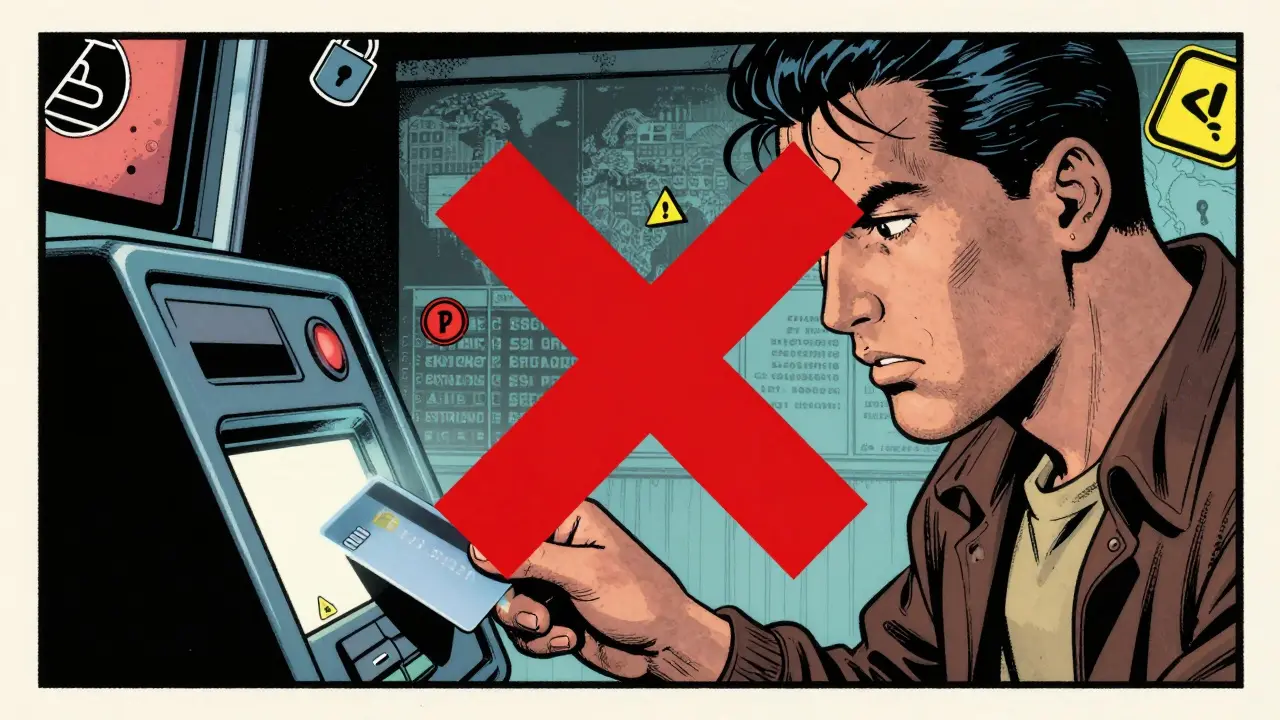
Furthermore, using local bank cards to fund international crypto exchanges is often blocked. Banks comply with Anti-Money Laundering (AML) laws by flagging transactions to known crypto platforms. This makes it difficult to move fiat currency (QAR) into crypto without using informal or risky channels.
| Feature | Excluded Tokens (e.g., Bitcoin) | Permitted Tokens (e.g., Tokenized Shares) |
|---|---|---|
| Legal Status | Banned from QFC services | Legally recognized and regulated |
| Backing | None (speculative) | Real-world assets (shares, real estate) |
| Bank Support | Prohibited | Allowed via licensed providers |
| Risk Profile | High volatility, high risk | Tied to underlying asset performance |
| Ownership Proof | Private keys only | Validated certificates + smart contracts |
Compliance and Risks for Businesses
If you are running a business in Qatar, the compliance landscape is stark. There are no detailed AML or KYC guidelines for cryptocurrency businesses because such businesses are largely prohibited. The primary compliance mandate is simple: do not offer prohibited services.
For companies interested in blockchain, the path forward lies in becoming a licensed Token Service Provider. This involves rigorous vetting to ensure you are only dealing with Permitted Tokens. The government justifies these strict measures by citing the need to prevent financial crimes. Law No. 20 of 2019 on Combating Money Laundering and Terrorism Financing defines "funds" broadly to include digital assets. This means that even if you operate outside the QFC framework, engaging in large-scale crypto transactions could still trigger scrutiny under general anti-money laundering laws.
The absence of specific procedural mandates for crypto doesn't mean there is no oversight. It means the oversight is prohibitive rather than facilitative. You won't find a checklist for setting up a Bitcoin ATM in Doha because the application would be rejected outright. Instead, regulators focus on monitoring the flow of capital to ensure it doesn't leak into illicit networks.
Future Outlook: Will Things Change?
Looking ahead to the rest of 2026 and beyond, experts expect Qatar to maintain its cautious stance. The Digital Assets Framework 2024 was designed as a long-term structure, not a temporary pilot. The emphasis on real-world asset tokenization suggests that Qatar wants to capture the efficiency benefits of blockchain-such as faster settlement times and reduced intermediaries-without accepting the speculative risks of crypto markets.
There may be expansions in the types of Permitted Tokens allowed. We could see more tokenized commodities or intellectual property rights entering the market. However, the classification of Bitcoin and stablecoins as Excluded Tokens is likely to remain firm. Qatar’s approach contrasts sharply with more permissive neighbors, positioning itself as a hub for stable, regulated digital finance rather than a playground for crypto traders.
For residents, this means patience and precision. If you want to invest in digital assets, you must look for opportunities within the permitted framework. Engaging with licensed providers who offer tokenized real estate or equity gives you exposure to modern financial technology while staying fully compliant with Qatari law. Trying to bypass these restrictions through offshore accounts or peer-to-peer networks carries significant legal and financial risks that are rarely worth the potential gains.
Can I legally own Bitcoin in Qatar?
While there is no specific criminal law that jails individuals for privately holding Bitcoin, it is classified as an "Excluded Token" under the Digital Assets Regulations 2024. This means you cannot buy, sell, or store it through any licensed financial institution or service provider within the Qatar Financial Centre (QFC). Holding it privately offers no legal protection, and using local bank funds to acquire it is typically blocked by banks to comply with anti-money laundering rules.
What is the difference between Permitted and Excluded Tokens?
Excluded Tokens include cryptocurrencies like Bitcoin and stablecoins, which are seen as speculative currency substitutes with no tangible backing. Permitted Tokens are digital representations of real-world assets such as shares, bonds, real estate, or commodities. Permitted tokens require validation by licensed authorities and are legally recognized within the QFC framework, whereas Excluded Tokens are banned from regulated financial services.
Can I use my Qatari bank card to buy crypto on international exchanges?
Generally, no. Major Qatari banks are prohibited by the Central Bank of Qatar and QFCRA from facilitating transactions involving cryptocurrencies. Most banks will block payments to known cryptocurrency exchanges to avoid violating anti-money laundering regulations and their own internal compliance policies.
Are there any legal ways to invest in blockchain technology in Qatar?
Yes. You can invest in Permitted Tokens through licensed Token Service Providers operating within the QFC. These investments involve tokenized real-world assets like real estate fractions, corporate shares, or sukuk. This allows you to benefit from blockchain efficiency and transparency while adhering to strict regulatory standards.
Will Qatar legalize Bitcoin in the future?
It is unlikely in the near term. The Digital Assets Framework 2024 was designed to permanently exclude cryptocurrencies due to concerns over volatility and illicit finance. Qatar's strategy focuses on integrating blockchain for asset tokenization rather than adopting speculative digital currencies. Future changes are more likely to expand the list of permitted real-world assets rather than lift bans on Bitcoin.