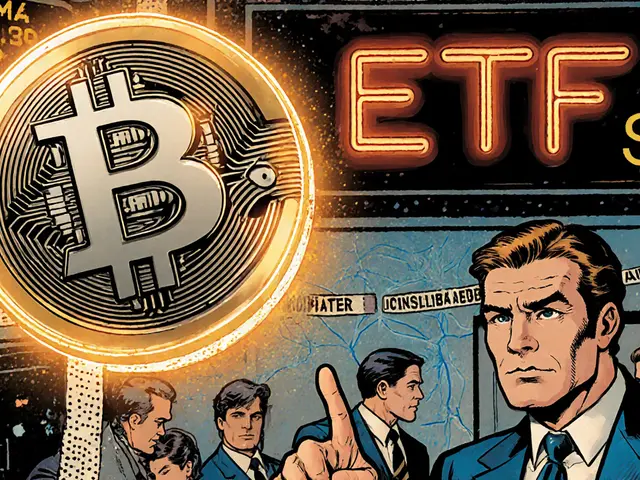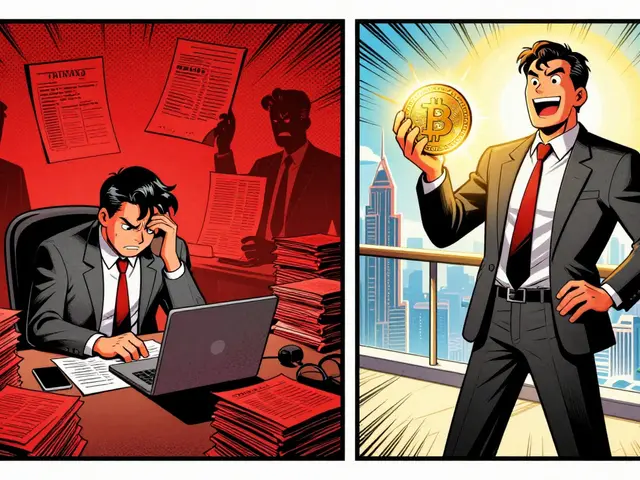
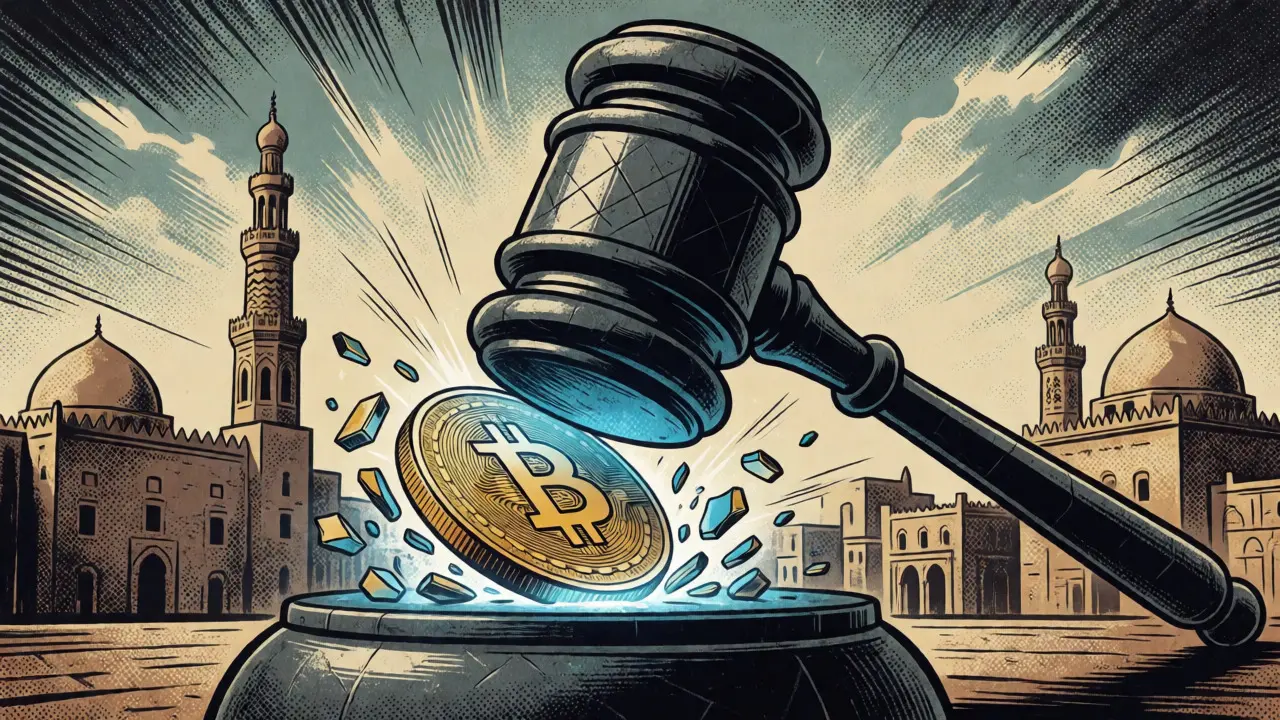
Imagine waking up to find your Bitcoin account frozen, not because of a market crash, but because the law says so. That’s the reality for many Egyptians since Law No. 194 of 2020 came into force. This legislation didn’t just tweak the rules; it slammed the door shut on most cryptocurrency activities in Egypt. If you’re an investor, a developer, or just curious about why Egypt stands out as one of the few countries with a near-total ban, you need to understand exactly what this law does and who is enforcing it.
The Core Prohibition: What Does Article 204 Actually Say?
At the heart of the ban is Article 204 of the new banking law. It doesn’t leave much room for interpretation. The article strictly prohibits the issuance, trading, and promotion of cryptocurrencies without prior approval from the Central Bank of Egypt (CBE). Notice the words "issuance," "trading," and "promotion." This isn't just about buying coins; it covers creating them, swapping them, and even talking about them in a commercial context. As of late 2023, no known approvals have been granted by the CBE. So, for all practical purposes, if you aren’t the central bank, you can’t legally touch crypto.
This approach contrasts sharply with neighbors like the UAE, which created specific regulatory zones for digital assets. Egypt chose a path closer to Algeria’s outright prohibition. The logic? Protecting monetary sovereignty. With the Egyptian pound facing significant devaluation pressures, the government fears that unregulated crypto flows could drain foreign reserves and complicate inflation control.
Who Is In Charge? The Role of the Central Bank of Egypt
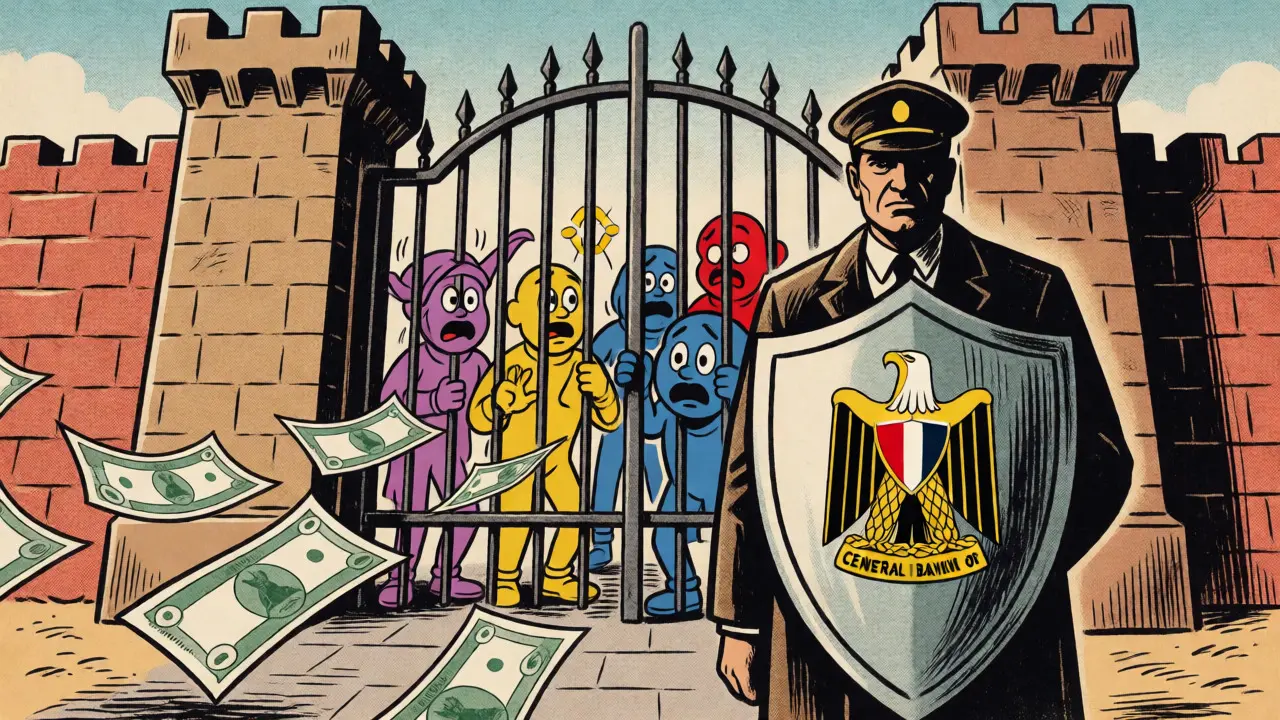
The Central Bank of Egypt acts as the sole gatekeeper here. It operates with technical, financial, and administrative independence, reporting directly to the President. This structure gives the CBE immense power. They issue warning statements-four of them between 2020 and 2023-that reiterate the risks of crypto, citing extreme volatility and lack of consumer protection. But let’s be real: these warnings are less about education and more about enforcement signals. Banks are instructed to block transactions linked to known crypto platforms. A circular issued in 2022 specifically told banks to stop processing payments to exchanges, leading to a massive drop in peer-to-peer trading volume.
| Entity | Role/Attribute | Status under Law 194 |
|---|---|---|
| Law No. 194 of 2020 | Primary Legislation | Active, Enforced |
| Central Bank of Egypt (CBE) | Regulatory Authority | Sole Licensing Body |
| Cryptocurrencies | Asset Class | Prohibited without Approval |
| Binance/Coinbase | Exchanges | Blocked/Restricted |
| Blockchain Technology | Underlying Tech | Permitted (Non-Crypto Use) |
Real-World Impact: What Happens to Your Money?
You might think, "I’ll just use a VPN and trade anyway." Many did. Reports from community forums suggest that while you can still access global exchanges via virtual private networks, the friction is high. Local bank transfers often get flagged or rejected. There are documented cases of users having their funds frozen because banks couldn’t verify the source of wealth against the strict anti-money laundering laws that overlap with this ban. One survey noted that nearly 80% of blockchain entrepreneurs left Egypt for Dubai or Singapore after the law passed. That’s a brain drain worth hundreds of millions in potential investment.
For the average person, the risk isn’t just losing money in a bad trade; it’s legal uncertainty. While criminal penalties exist under Article 205, they are rarely publicized. However, the threat is enough to keep institutional players away. You won’t see major Egyptian banks offering crypto custody services anytime soon. Instead, you see a shadow economy where people use cash-based P2P methods, often paying higher premiums to compensate for the risk.
Why Did Egypt Choose This Path?
It’s easy to criticize the ban as outdated, but consider the context. Egypt has a large population with limited access to traditional banking. The government worries that speculative crypto investments could hurt vulnerable savers. Plus, there’s the issue of capital flight. When the local currency weakens, people look for hedges. Gold and dollars are traditional safe havens. Crypto offers another option, but one that moves money outside the state’s direct oversight. By banning it, the state keeps control over foreign exchange flows. Critics argue this stifles innovation, pointing to the $3 billion fintech market potential that remains untapped. Supporters say it prevents fraud and maintains stability during tough economic times.

Is There Any Hope for Change?
Things aren’t entirely static. There are whispers in parliament about allowing limited institutional trading. The IMF bailout package includes conditions for modernizing the financial sector, which puts pressure on regulators to adapt. Some analysts predict a move toward a "sandbox" approach by 2026, where certain crypto activities might be allowed under strict supervision. But don’t hold your breath. The current stance is firmly protective. Until the CBE grants that first license-which seems unlikely in the short term-the ban holds firm.
Frequently Asked Questions
Is owning Bitcoin illegal in Egypt?
Technically, holding crypto isn't explicitly criminalized for individuals in the same way trading is, but the law prohibits trading and promotion without approval. Since you cannot legally trade or exchange it locally, holding becomes practically difficult and risky due to banking restrictions and potential asset freezes.
Can I mine cryptocurrency in Egypt?
Mining falls under the broader prohibition of issuance and trading activities related to cryptocurrencies. Without CBE approval, which has not been granted, mining operations are effectively banned. Additionally, energy consumption regulations make large-scale mining challenging regardless of the crypto status.
What happens if I buy crypto using a foreign exchange?
If you use a foreign exchange service located outside Egypt, you are operating in a gray area. The Egyptian law targets activities within its jurisdiction. However, transferring funds from an Egyptian bank to that foreign entity can trigger compliance checks, potentially blocking the transfer or requiring extensive documentation.
Are stablecoins like USDT also banned?
Yes. The CBE’s warnings specify "all types of cryptocurrencies," which includes stablecoins pegged to the dollar. Since they are digital assets traded on blockchain networks, they fall under the same prohibitions regarding issuance and trading without central bank approval.
Will the ban be lifted soon?
There is no confirmed timeline. While there are discussions about regulatory sandboxes and IMF-driven reforms, the political priority remains monetary stability. Most experts expect the strict ban to persist until at least 2025 or later, barring a significant shift in government policy.