Imagine trying to buy groceries with money that might vanish from your bank account overnight because of hyperinflation. For millions of Iranians, this isn't a hypothetical nightmare; it's Tuesday. In this high-stakes economic environment, cryptocurrency has evolved from a niche tech experiment into a critical financial lifeline. But here is the twist: while you can legally mine Bitcoin in Tehran, you cannot simply spend it at the local bazaar without navigating a labyrinth of government red tape. As of September 2026, the legal status of cryptocurrencies in Iran remains one of the most complex regulatory puzzles in the global digital asset space. The country walks a tightrope between embracing blockchain technology for economic resilience and maintaining strict state control over capital flows.
The Regulatory Authority: Who Controls the Digital Rial?
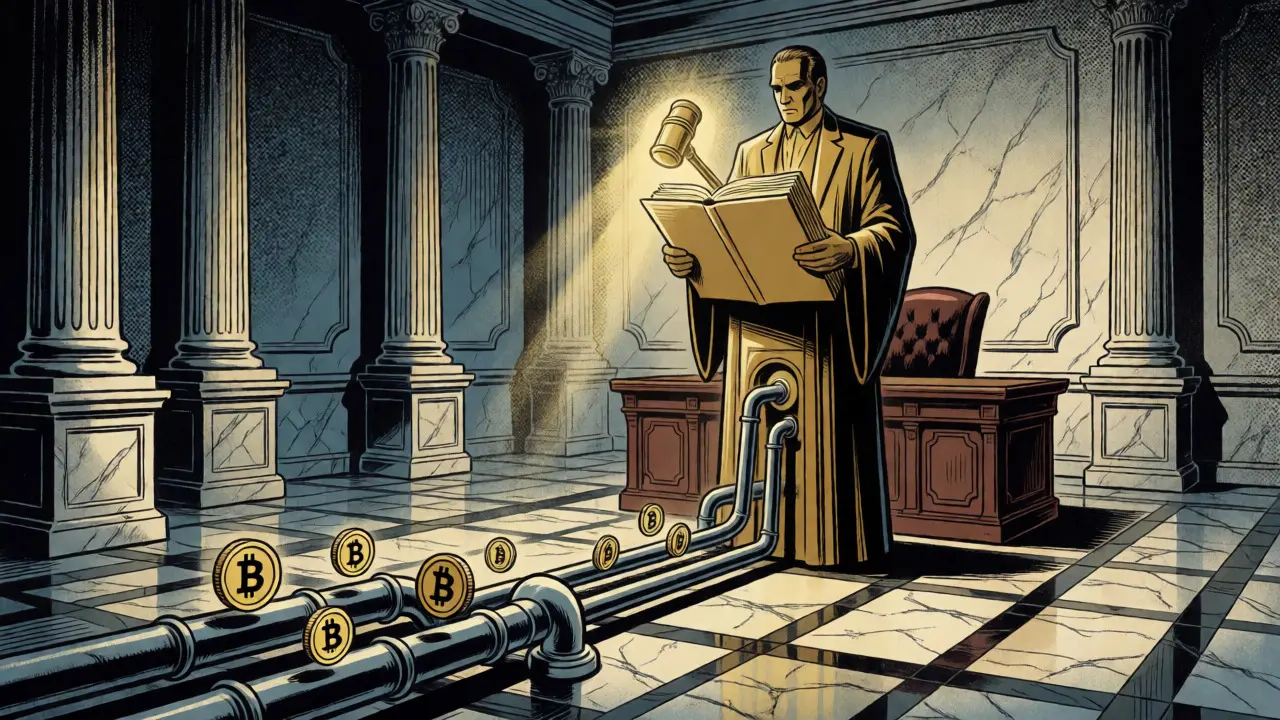
If you are looking for a single point of contact for all things crypto in Iran, look no further than the Central Bank of Iran (CBI). Unlike decentralized ecosystems where governance is spread across community votes, Iran’s approach is top-down and centralized. In early 2025, Governor Mohammadreza Farzin formally approved the "Policy and Regulatory Framework for Cryptocurrencies," cementing the CBI’s role as the sole authority responsible for regulating the "ramzpol" (digital currency) market. This directive wasn't just bureaucratic window dressing; it established that the CBI has direct, unrestricted access to all data, statistics, and records related to cryptocurrency activities. If you hold digital assets, the state likely knows about them.
This centralization serves a specific purpose: sanctions evasion management. By keeping a tight leash on how cryptocurrencies enter and leave the Iranian economy, the government attempts to prevent capital flight while allowing sanctioned entities to procure essential goods. President Masoud Pezeshkian’s administration reinforced this stance in January 2025, mandating that all licensing procedures and permitted conditions for holding or exchanging digital assets flow through the CBI. It is less about banning crypto and more about channeling it into state-monitored pipes.
Mining: Legal but Heavily Regulated
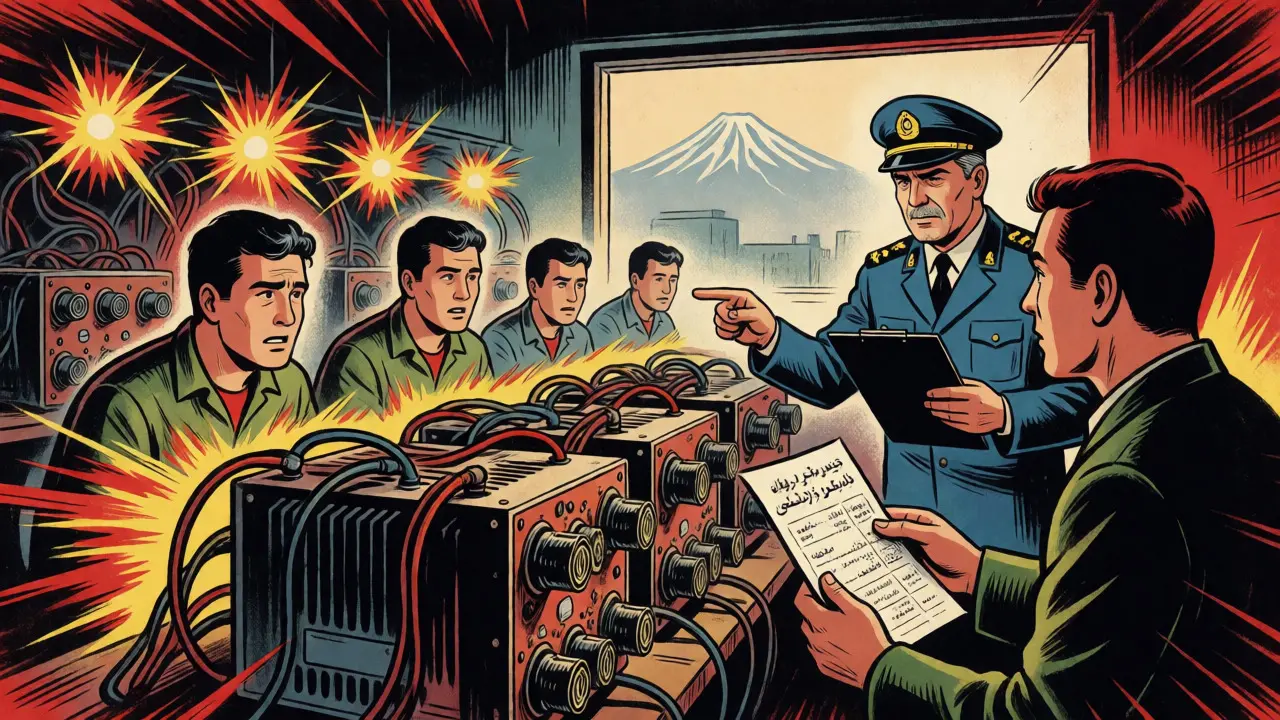
You might think that if something is legal, you can do it freely. Not so in Iran. While cryptocurrency mining was legalized in 2019 to curb unlicensed operations straining the power grid, the rules are stringent. To operate legally, miners must obtain licenses from the Ministry of Industry, Mine and Trade. But getting the license is only step one. You must use government-approved hardware and adhere to electricity tariffs that are pegged to export prices, not the subsidized rates enjoyed by regular households.
Why such strict controls? Because illegal mining farms have historically caused blackouts during winter peaks. The Ministry of Energy enforces consumption limits to protect the national grid. If you exceed these limits, you face penalties or shutdowns. Furthermore, there is a unique revenue requirement: legal miners are often required to sell their mined cryptocurrencies back to the CBI through the National Iranian Money Changer Association (NIMA) system. This ensures that the value generated from mining enters the state revenue stream rather than circulating entirely in the private sector. Despite these hurdles, over 1,000 licenses had been issued by mid-2025, though experts estimate that nearly 95% of mining activity still operates in the gray market, driven by the allure of cheaper energy costs compared to regulated rates.
Taxation and Financial Compliance
As of August 2025, the landscape shifted significantly with the enactment of the Law on Taxation of Speculation and Profiteering. This marked Iran’s first imposition of a capital gains tax on cryptocurrency trading. Previously, digital assets existed in a tax vacuum, treated somewhat like foreign currencies held informally. Now, they sit alongside gold, real estate, and forex as speculative assets subject to taxation. This move signals Tehran’s intent to formalize the market fully. For traders, this means meticulous record-keeping is no longer optional-it is mandatory to avoid hefty fines.
Compliance extends beyond taxes. All market participants, including individuals and businesses, must meet rigorous Anti-Money Laundering (AML) and Know Your Customer (KYC) standards. Crypto platforms operating within the regulatory framework can secure direct payment gateways, but brokers must conduct rial transactions transparently through designated accounts approved by the central bank. The goal is transparency. The government wants to trace every rial-to-crypto swap to ensure that funds aren't being used for illicit purposes outside the sanctioned trade corridors.
Stablecoins and Sanctions Pressure
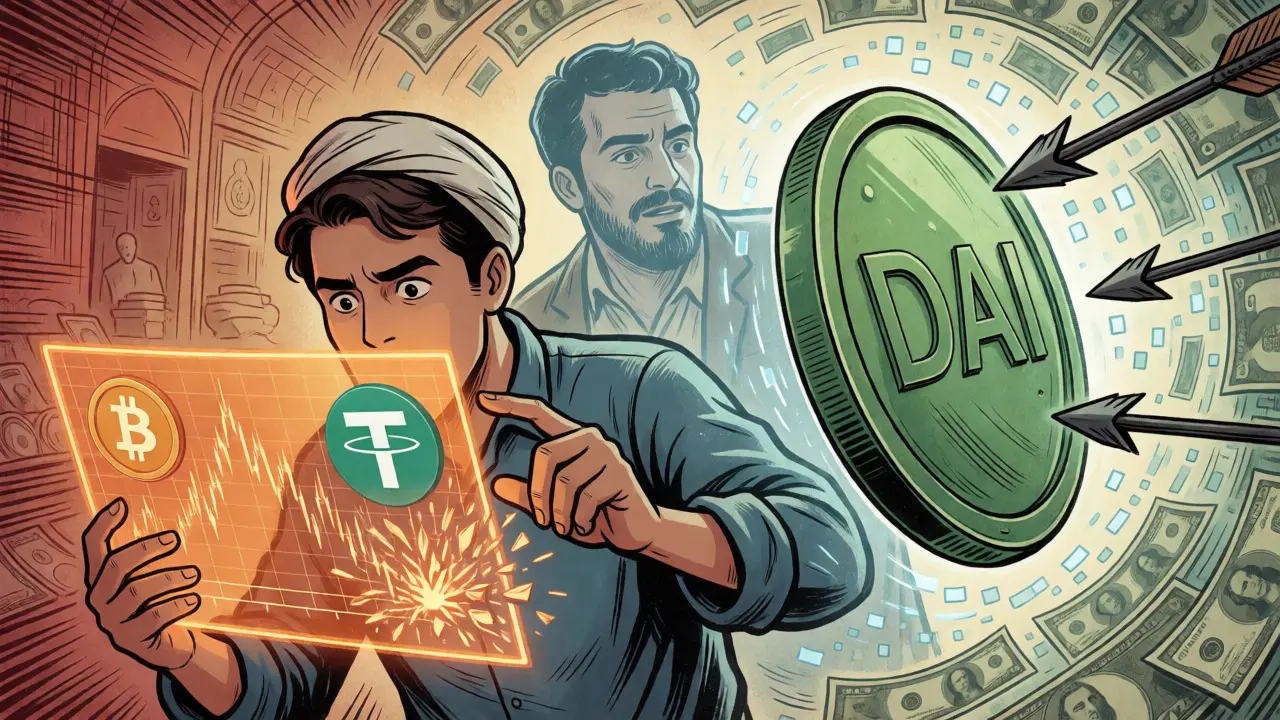
One of the most dramatic recent developments occurred in July 2025, when Tether froze addresses linked to Iranian exposure. This event sent shockwaves through the local ecosystem, which heavily relied on USDT for liquidity. Rather than collapsing, the market adapted swiftly. Domestic exchanges, influencers, and government-aligned channels urged users to offload USDT holdings and swap into DAI via the Polygon network. This migration highlighted the resilience of Iranian crypto users and their ability to pivot under pressure. Today, DAI and other non-US-centric stablecoins dominate the trading pairs, reducing dependency on assets vulnerable to Western sanctions enforcement.
It is worth noting that while international media often paints Iran as a hub for illicit finance, TRM Labs’ December 2025 analysis revealed that illicit transactions at Iranian exchanges account for just 0.9% of total activity. Most everyday Iranians use digital assets not for smuggling, but as a hedge against inflation. With the rial losing value continuously, holding Bitcoin or stablecoins preserves purchasing power in a way traditional savings accounts cannot.
Market Dynamics and Exchange Landscape
The Iranian crypto market is dominated by a few key players. Nobitex, the largest local exchange, handled approximately 87% of transaction volume in 2022 and maintained its dominance through 2025. However, overall volumes have seen fluctuations. Total cryptocurrency flows declined by 11% year-over-year between January and July 2025, reaching approximately USD 3.7 billion. This decline reflects increased regulatory scrutiny and external sanctions pressure, yet the ecosystem remains robust relative to the country's GDP.
| Activity | Regulatory Body | Key Requirement | Status |
|---|---|---|---|
| Mining | Ministry of Industry, Mine and Trade | License + Approved Hardware + Export-rate Electricity | Legal (Strictly Controlled) |
| Trading | Central Bank of Iran (CBI) | CBI-approved exchange + KYC/AML compliance | Legal |
| Payments | CBI / Ministry of Economy | Allowed for imports; limited domestic retail use | Restricted |
| Taxation | National Tax Organization | Capital Gains Tax on profits | Enforced since Aug 2025 |
Practical Implications for Users and Businesses
If you are an expat, investor, or business owner dealing with Iran, what does this mean for you? First, assume everything is monitored. Second, understand that using crypto for international settlements is actively encouraged by the state to bypass SWIFT restrictions. Iranian companies can pay for imports using cryptocurrencies, a policy announced in May 2023 and refined since. There is even reported collaboration with Russia on a gold-backed stablecoin for cross-border payments, showcasing a strategic geopolitical alignment.
However, for the average citizen, the friction remains high. Internet filtering policies occasionally disrupt access to global platforms, forcing reliance on domestic exchanges. Economic Affairs Minister Hemmati has publicly criticized these internet restrictions, urging stakeholders to form unified platforms to secure interests, acknowledging that infrastructure bottlenecks hinder growth. Yet, despite the constraints, the drive to preserve wealth keeps demand steady. The government’s strategy is clear: organize the chaos, tax the profits, and leverage the technology for survival, but never let go of the steering wheel.
Frequently Asked Questions
Is Bitcoin legal tender in Iran?
No, Bitcoin is not legal tender in Iran. The official currency is the Iranian Rial. While buying, selling, and holding Bitcoin is legal, merchants are generally prohibited from accepting it directly for everyday retail goods without going through specific authorized channels. Its primary legal use case currently involves international trade settlements and investment.
Do I need a license to mine cryptocurrency in Iran?
Yes, absolutely. You must obtain a license from the Ministry of Industry, Mine and Trade. Unlicensed mining is considered illegal and subjects operators to fines and equipment seizure. Licensed miners must also purchase electricity at export-linked rates, which are significantly higher than subsidized household rates, and may be required to sell mined coins to the Central Bank.
Are there taxes on cryptocurrency profits in Iran?
Yes. As of August 2025, the Law on Taxation of Speculation and Profiteering imposes a capital gains tax on cryptocurrency trading. This treats digital assets similarly to other speculative investments like gold or real estate. Traders must report their gains and comply with AML/KYC regulations to remain in good standing.
Can I use USDT in Iran?
Using USDT has become complicated due to sanctions. In July 2025, Tether froze several addresses associated with Iranian exposure. Consequently, many Iranian users migrated to DAI via the Polygon network to maintain liquidity. While USDT is still traded, DAI has gained significant traction as a preferred stablecoin for avoiding frozen funds.
Which entity regulates cryptocurrency in Iran?
The Central Bank of Iran (CBI) is the primary regulatory authority. Established by a presidential directive in January 2025, the CBI oversees licensing, monitors transactions, and manages the interface between the crypto market and the traditional banking system. Other bodies like the Ministry of Energy regulate mining specifically regarding power consumption.