

Finding a "free money" opportunity in crypto usually leads to one of two things: a life-changing windfall or a total scam. If you've been searching for the Shambala airdrop via CoinMarketCap, you've likely noticed a lack of official confirmation on the main page. While many users are hunting for a direct partnership between CoinMarketCap is one of the world's most-referenced cryptocurrency data aggregation websites and Shambala, the reality of the current distribution is a bit more complex.
The Truth About the CoinMarketCap and Shambala Connection
Let's get the biggest question out of the way first: Is there an active Shambala X CoinMarketCap airdrop? As of April 2026, there is no official record of a joint campaign listed on the CoinMarketCap airdrop calendar. Often, rumors about such partnerships spread in Telegram groups or on Twitter before a project actually launches, or users mistake general listing data for an active distribution event.
CoinMarketCap does track Shambala (BALA) is a cryptocurrency token operating on the Binance Smart Chain with a massive total supply of 1 quadrillion tokens , but tracking a price is very different from hosting an airdrop. If you see a website asking you to "connect your wallet" to a fake CoinMarketCap page to claim BALA, stop immediately. Legitimate airdrops on that platform follow a very strict verification process and are clearly listed in their official airdrop section.
Where the Actual BALA Airdrops Happen
While the CoinMarketCap link might be a ghost, Shambala has been active elsewhere. The most concrete distribution activity has occurred via the MEXC is a global cryptocurrency exchange known for its Kickstarter campaigns that allow users to vote for new token listings Kickstarter. This is a different beast entirely from a standard snapshot airdrop.
In the MEXC Kickstarter model, users stake MX tokens to vote for a project. If the community hits the voting goal, the exchange lists the token and distributes a massive reward pool-in Shambala's case, 800 billion BALA tokens-to the voters. It's essentially a "vote-to-earn" system. If you missed the voting window, you can't retroactively claim these tokens; you have to be active during the specific session.
| Feature | CoinMarketCap Rumors | MEXC Kickstarter |
|---|---|---|
| Status | Unverified / Not Found | Confirmed Activity |
| Requirement | Usually KYC/Social Tasks | Staking MX Tokens |
| Reward Pool | Unknown | 800 Billion BALA |
| Reliability | Low (Beware of Scams) | High (Exchange Official) |

Understanding the BALA Tokenomics Trap
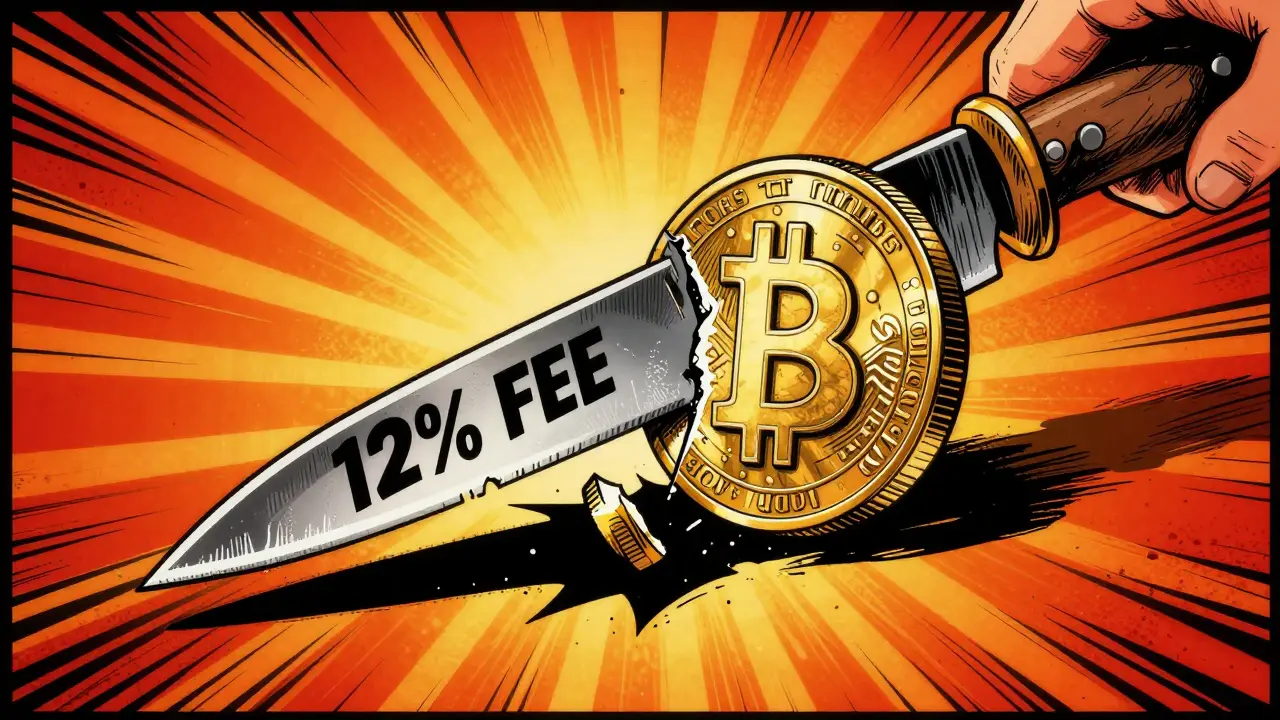
Before you rush to claim any BALA tokens, you need to understand a critical technical detail that many beginners overlook: the transaction fee. Shambala is built on the Binance Smart Chain is a blockchain network (BEP-20) designed for high-speed, low-cost smart contract execution , but the token itself has a built-in tax.
The project implements a 12% fee on every on-chain transaction. This means if you send 1,000 BALA tokens to an exchange, only 880 tokens will actually arrive. This "tax" is a common mechanism in some DeFi projects to fund liquidity or rewards, but it significantly cuts into your actual profits. If you're calculating your airdrop gains, always subtract 12% from your expected total to avoid a surprise when you check your exchange balance.
Evaluating the Value of Your Airdrop
Let's talk numbers. The market performance of BALA is extremely volatile and sits at a very low valuation. With a market cap under $1,000 and a trading volume that can dip as low as $30 a day, the actual liquid value of an airdrop can be disappointing. Even if you receive millions of tokens, the price often hovers around the $0.0000000001 range.
Predictive models suggest very slow growth. For example, a $100 investment might only yield a $5 profit over a year. When you combine this slow growth with the 12% transaction fee, the "free" nature of an airdrop is the only way to realistically make a profit. If you have to pay a


There are 15 Comments
Prachi Bhadarge
Oh great, another 'opportunity' where the tax is higher than the actual utility of the coin. Truly groundbreaking stuff here.
Ian Chait
Classic psyop to keep ppl in the BSC ecosystem while the big banks manipulate the float. Just look at the slipage and those hidden fees, it's all designed for the whales to dump on the retail plebs. This airdrop is probably just a honey pot to track your wallet seed. Wake up and stop trustin the CEXs like MEXC, they're just puppets for the globalist agenda. Its all a game of liquidity traps and wash tradin to pump the chart before the rug pull. Dont be a sheep and get lured by the 'free' tokens when the exit liquidity is you.
Trudy Morse
Actually, most people just don't understand how burn mechanisms work. The 12% fee is basically a redistribution tool.
Andrew Southgate
It is always such a wonderful feeling when someone takes the time to break down the risks like this because there are so many new people entering the crypto space who might not realize that a 12% transaction fee can absolutely eat your profits alive, and it's just so important to keep an eye on those small details before you commit your hard-earned money to a project that looks promising on the surface but might be a struggle to actually sell later on.
Sean Douglas
The absolute tragedy of it all! To think we were promised a digital gold mine and instead we're handed a handful of dust with a 12% surcharge for the privilege of holding it. My soul is practically weeping for the naive souls who fell for the CoinMarketCap rumors, imagining a windfall while the reality is a desolate wasteland of zero liquidity and crushing volatility. It is a Shakespearean drama played out on a blockchain, a symphony of despair and broken dreams!
Shantal Sanjur
Wow, imagine actually believing the 'Official' exchange labels. MEXC is just as sketchy as the rest, they probably just want the MX staking volume to keep their own price from cratering. Total scam vibes all around.
Ankit Sindhu
For those just starting out, remember to always double-check the official social media channels of a project. Learning to spot these patterns now will make you a much stronger investor in the long run!
Shannon Kelly Smith
Exactly! Stay safe everyone and do your own research! 🚀💎🙌
Vicky Duffala
Life is all about the journey of discovery and even if this particular coin isn't the moonshot we want, the process of learning how to analyze tokenomics is where the real value is! Keep that energy high and stay curious! 😊
Kevin Lư
I'm just lounging here thinking about how some people actually spend hours researching these pennies. Like, why bother? Just buy BTC and nap. But hey, if you enjoy the grind, go for it!
Gaurav Undirwade
It is profoundly disappointing to witness the lack of fiscal discipline in this community. One must adhere to a rigorous standard of verification before engaging in such speculative frivolities.
Chintu Parikh
I completely agree that caution is the best approach here. It would be most beneficial if we could all share a verified list of airdrop portals to avoid these pitfalls in the future.
Mike Kempenich
I'm feeling pretty good about the way this is explained. It's clear that the risks outweigh the rewards for most people, but the info is solid.
Gillian Kent
i tried to find the link on twitter but everything looks like a bot... hope evryone stays safe and dont click random links!!
Adam Mann
It really is quite fascinating how the ecosystem evolves and while it might seem scary to some, I truly believe that these learning experiences help the whole community grow together into something more sustainable and inclusive for everyone regardless of where they are from or how much they have to invest in the first place, so just keep smiling and keep learning!
Write a comment
Your email address will not be published. Required fields are marked *