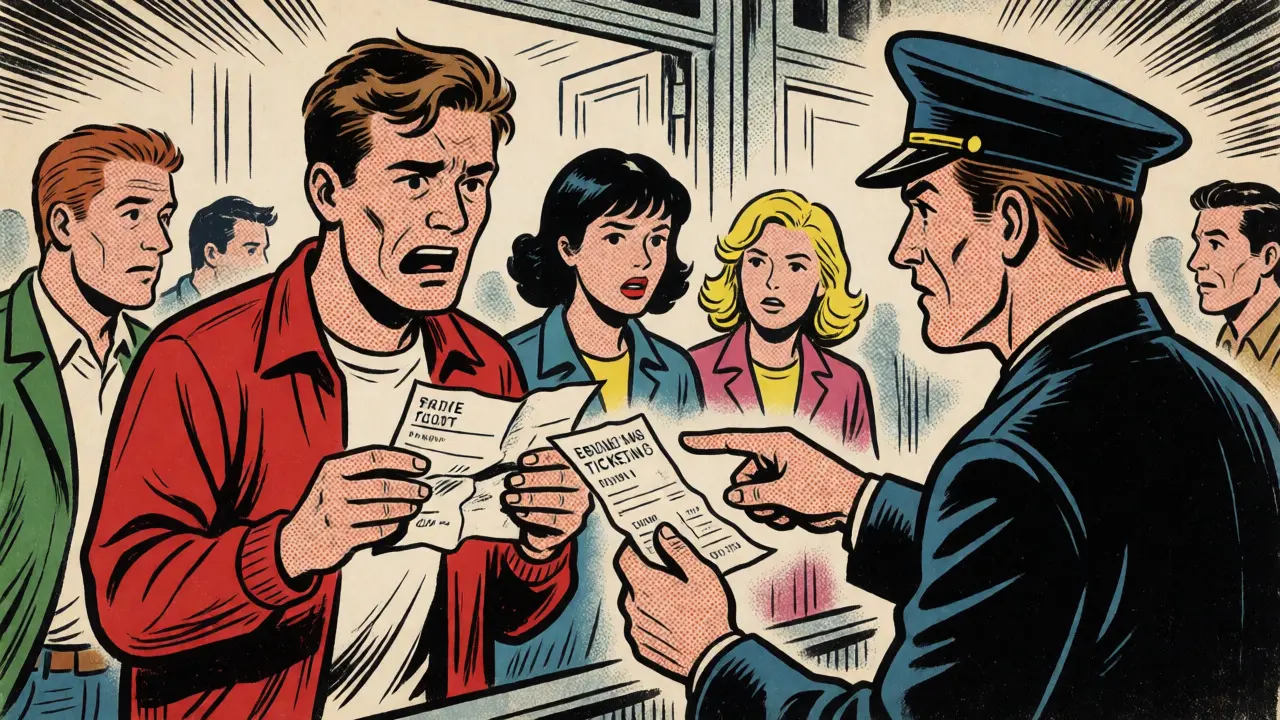
Imagine buying a ticket to see your favorite band, only to arrive at the venue and realize you were scammed. Or picture an organizer selling out a stadium but seeing zero profit because scalpers resold every seat at triple the price. These aren't hypothetical nightmares; they are daily realities in the traditional ticketing industry. But what if the ticket itself was the solution? Enter NFT ticketing, a system that uses blockchain technology to create unique, verifiable digital assets for event admission. Unlike paper stubs or centralized QR codes, these tokens offer unchangeable proof of ownership, automatic royalty payments for creators, and a seamless experience for attendees.
This shift isn't just about tech hype. It solves specific, painful problems for both sides of the transaction. For organizers, it means reclaiming control over resale markets. For fans, it means knowing their ticket is real before they even leave home. Let's break down exactly how this works and why it matters right now.
The End of Counterfeit Tickets
Traditional tickets fail because they are easy to copy. A photocopier can duplicate a paper ticket. A screenshot can duplicate a PDF. Fraudsters exploit this by selling fake copies of valid tickets, often leaving multiple people with the same "valid" entry pass. Blockchain encryption eliminates this vulnerability entirely. Each NFT ticket has a unique digital identity recorded on a distributed ledger. This record is immutable, meaning once written, it cannot be altered or forged.
When you buy an NFT ticket, you aren't just getting a file; you are receiving a token that exists on a public blockchain like Ethereum or Polygon. The network verifies its authenticity instantly. If someone tries to forge it, the blockchain rejects the transaction because the cryptographic signature doesn't match the original mint. This makes duplication virtually impossible. You don't need a scanner to check for watermarks or security threads. The code itself proves validity.
Consider the scale of the problem. In the secondary market, counterfeit tickets cost consumers billions annually. With NFTs, the chain of custody is transparent. Every transfer from the initial sale to the final attendee is logged. If a ticket is stolen or lost, the owner can prove ownership through their crypto wallet address. There is no ambiguity. No more arguing with bouncers over blurry screenshots. The digital asset either belongs to you, or it doesn't.
Reclaiming Revenue Through Smart Contracts
Here is the biggest pain point for event organizers: losing money on the secondary market. When a fan buys a ticket for $50 and flips it for $200, who gets the extra $150? Usually, it’s a third-party platform like StubHub or Vivid Seats. The artist or organizer sees none of it. Smart contracts change this dynamic completely. These are self-executing programs stored on the blockchain that automatically enforce rules when conditions are met.
Organizers can program a royalty fee into the ticket’s DNA. For example, they might set a 10% commission on every resale. If a fan sells their ticket later, the smart contract automatically sends 10% of the sale price back to the organizer’s wallet. This happens instantly, without lawyers or accountants involved. It turns a one-time sale into a recurring revenue stream.
| Feature | Traditional Ticketing | NFT Ticketing |
|---|---|---|
| Secondary Market Royalties | Zero (platform keeps all fees) | Configurable % (e.g., 5-15%) goes to organizer |
| Resale Price Caps | Difficult to enforce | Programmable limits prevent gouging |
| Transfer Restrictions | None (tickets float freely) | Can lock tickets to prevent scalping |
| Payment Speed | Days or weeks after event | Instant settlement via blockchain |
Beyond royalties, smart contracts allow for sophisticated pricing strategies. Organizers can set maximum resale prices to stop scalpers from inflating costs during high-demand events. If a ticket is listed above the cap, the smart contract can reject the transaction or auto-adjust the price. This ensures fair access for genuine fans while still allowing organic trading. It balances market freedom with consumer protection.
Enhanced Attendee Experience and Utility
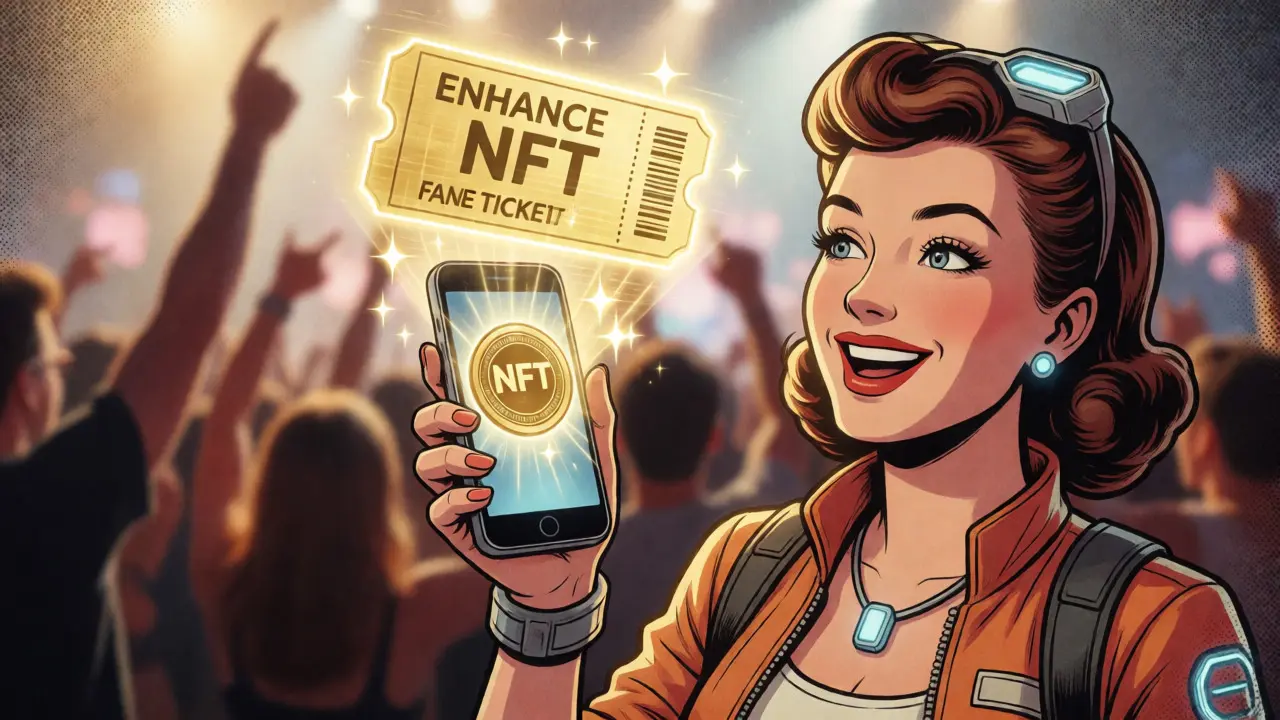
For the average concert-goer, the benefit isn't just about avoiding scams. It's about convenience and perks. Traditional tickets are static. Once you scan them, they’re done. An NFT ticket is a living digital asset. Because it lives in your digital wallet, it can hold data and unlock experiences long after the event ends.
Think about merchandising. Instead of standing in line for hours to buy a t-shirt, you could use your NFT ticket to make purchases inside the venue. Some platforms integrate payment systems where the ticket acts as a debit card. You tap your phone, and the transaction clears. This reduces congestion and increases spend per head for the venue.
Post-event utility is another game-changer. Your ticket can become a collectible. After the show, the NFT might update to include exclusive content, such as behind-the-scenes videos, audio recordings, or digital art related to the performance. For loyal fans, holding a ticket from a specific tour year could grant priority access to future sales. This builds a relationship between the artist and the fan that extends beyond a single night. It transforms a disposable piece of paper into a permanent part of your digital identity.
Additionally, retrieval is foolproof. Have you ever lost a printed ticket or deleted the email with the QR code? With NFTs, the ticket resides on the blockchain linked to your wallet address. Even if you switch phones, you can import your seed phrase and recover your assets. Cloud backups ensure you never lose access due to hardware failure.
Transparency and Trust in Resales
Trust is the currency of any marketplace. In traditional systems, buyers often wonder: Is this seller legit? Did they actually own the ticket? Was it already used? Blockchain provides a public audit trail. Anyone can view the history of a specific NFT ticket. They can see when it was minted, who owned it previously, and if it has been transferred correctly.
This transparency discourages bad actors. Scalpers rely on information asymmetry-they know more about the ticket’s status than the buyer does. With a public ledger, that advantage disappears. Buyers can verify the provenance themselves before sending money. If a ticket shows a suspicious pattern of rapid transfers, it raises a red flag immediately.
Furthermore, decentralized networks remove single points of failure. Traditional ticketing relies on central servers. If those servers go down during a high-profile sale, everyone loses. Blockchain networks are distributed across thousands of nodes. They remain operational even if individual components fail. This reliability is crucial during peak demand periods when milliseconds matter.
Implementation Challenges and Solutions
It would be dishonest to ignore the hurdles. Adopting NFT ticketing requires some technical literacy. Users need a crypto wallet, which can feel intimidating to non-tech-savvy audiences. However, modern user interfaces have simplified this significantly. Many platforms now offer "custodial wallets," where the service manages the keys for you, hiding the complex blockchain mechanics behind a familiar login screen.
Gas fees-the cost to process transactions on the blockchain-can also be a concern. On congested networks like Ethereum mainnet, fees might spike. However, most ticketing projects now use Layer 2 solutions like Polygon or Arbitrum, or alternative chains like Solana. These networks offer negligible transaction costs, making micro-transactions feasible. Organizers often subsidize these fees for the end-user, so the fan sees a flat price.
Integration with existing infrastructure is another consideration. Venues need scanners capable of reading digital signatures rather than just barcodes. Fortunately, most modern POS systems are updating to support NFC and Bluetooth verification, which aligns well with mobile wallet technologies. The transition period involves training staff, but the long-term efficiency gains justify the upfront effort.
Key Takeaways
- Fraud Elimination: Unique cryptographic identities make counterfeiting nearly impossible compared to easily copied paper or PDF tickets.
- New Revenue Streams: Smart contracts enable automatic royalties on resales, allowing organizers to earn from secondary market activity.
- Controlled Markets: Programmable rules can cap resale prices and restrict transfers, curbing aggressive scalping.
- Enhanced Utility: NFTs serve as multi-functional tools for entry, payments, and post-event collectibles, enhancing fan engagement.
- Transparent History: Public ledgers provide verifiable ownership records, building trust between buyers and sellers.
Do I need cryptocurrency knowledge to use NFT tickets?
Not necessarily. While the underlying technology is blockchain-based, many ticketing platforms abstract away the complexity. You can often purchase tickets using credit cards, and the platform handles the conversion to NFTs in the background. You receive a ticket in your app just like usual, without needing to manage private keys manually unless you choose to.
What happens if my phone dies at the venue?
Most venues accept backup methods. Since the ticket is tied to your wallet address, you can usually log in from another device or use a printed receipt with a unique identifier that links back to the blockchain record. Some advanced setups also use biometric verification or RFID wristbands linked to the NFT ownership.
Are NFT tickets expensive to issue?
Costs vary by blockchain network. On major networks like Ethereum, gas fees can be high, but ticketing projects often use efficient Layer 2 scaling solutions or low-cost chains like Polygon. In these cases, the cost to mint and transfer a ticket is fractions of a cent, making it cheaper than printing physical tickets.
Can I sell my NFT ticket to anyone?
This depends on the smart contract rules set by the organizer. Some tickets are fully tradable, allowing open market sales. Others may have restrictions, such as requiring the buyer to have a verified ID or limiting the number of times a ticket can be resold. Check the terms associated with the specific ticket.
How do organizers get paid from resales?
The smart contract automatically deducts a predefined percentage from the resale price and sends it directly to the organizer's connected crypto wallet. This happens simultaneously with the transfer of the ticket to the new owner, ensuring immediate settlement without manual invoicing.