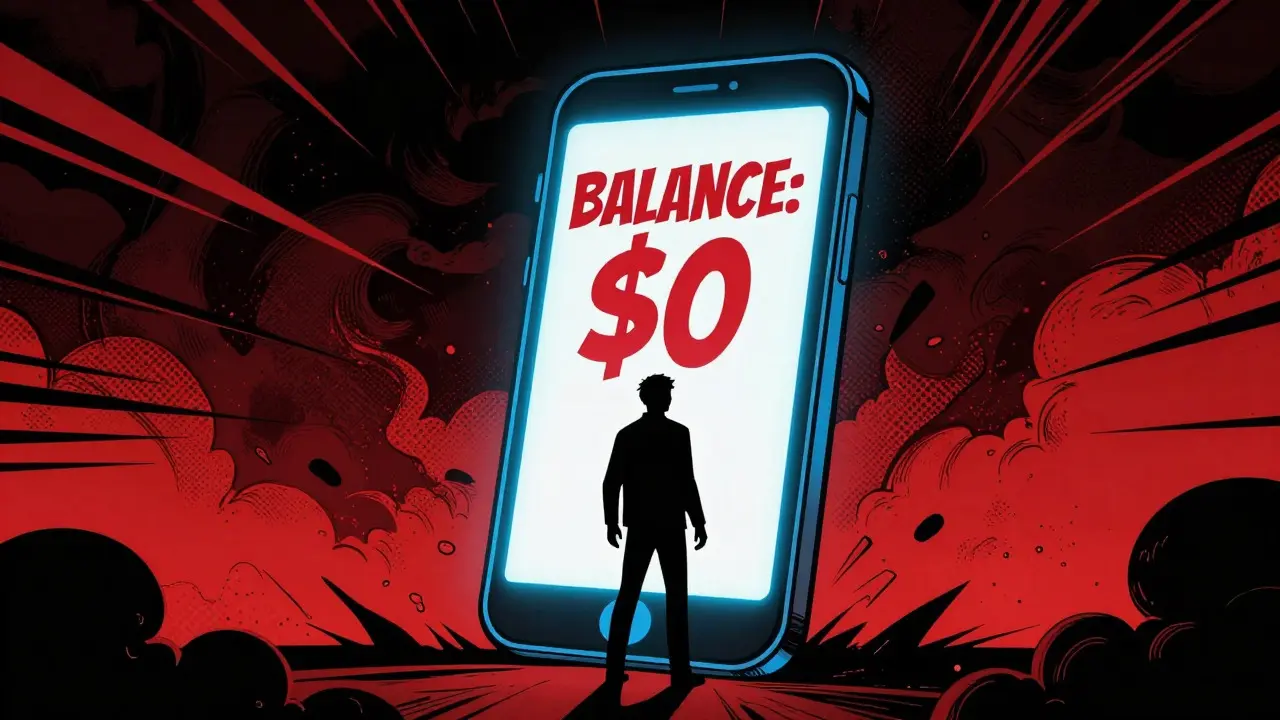
Imagine logging into your crypto account to find your balance at zero. Not a glitch. Not a temporary freeze. Just empty space where your assets used to be. For thousands of users on XeggeX, a once-popular niche cryptocurrency exchange, this nightmare became reality in early 2025. If you are reading this hoping to sign up for an account, stop right there. The platform is dead. But if you want to understand how a relatively new exchange could collapse so spectacularly-and what it means for the future of small-cap crypto trading-this review breaks down exactly what happened.
XeggeX (pronounced 'Zeg-Ex') was established in 2021 with a clear mission: support multi-chain niche coins that big exchanges ignored. It attracted miners, speculators, and holders of obscure tokens by offering low barriers to entry and lightning-fast listings. At its peak, the platform claimed over 361,000 users and listed more than 530 assets. Today, as of July 2026, it is a cautionary tale of security failures, operational mismanagement, and the inherent dangers of trusting unregulated platforms with your life savings.
The Rise of a Niche Player
To understand why XeggeX failed, you first need to understand why people joined. Major exchanges like Binance and Coinbase have strict listing criteria. They vet projects thoroughly, which is great for security but terrible for early-stage investors who want access to brand-new tokens. XeggeX filled that gap.
Their value proposition was simple:
- Ultra-low fees: They advertised 0.2% fees for P2P trading, undercutting many competitors.
- Niche focus: They specialized in "mining coins" and low-market-cap projects often excluded from top-tier platforms.
- Fast listings: Projects could get listed quickly, attracting developers and early adopters.
- Native token utility: Holding their native ERC-20 token, Xpense (XPE), promised a 25% discount on trade and withdrawal fees across Ethereum, Binance Smart Chain, and Polygon networks.
This model worked initially. Users flocked to the platform seeking high-risk, high-reward opportunities. The interface was intuitive enough for beginners, and the mobile apps for Android and iOS made trading accessible. However, this convenience came at a steep price: security was an afterthought.
The February 2025 Hack: How It Happened
The turning point arrived on February 3, 2025. A sophisticated cyberattack compromised the CEO’s Telegram account. This wasn’t just a social media breach; it was the key to the kingdom. Hackers used the compromised account to spread disinformation, gain trust within community channels, and eventually access management work devices containing critical database credentials.
Here is the timeline of the collapse:
- February 3, 2025: The hack occurs. Wallets are locked down as a damage control measure.
- February 4, 2025: XeggeX announces that funds are safe but admits login issues persist because they disconnected the database from the network to prevent further theft.
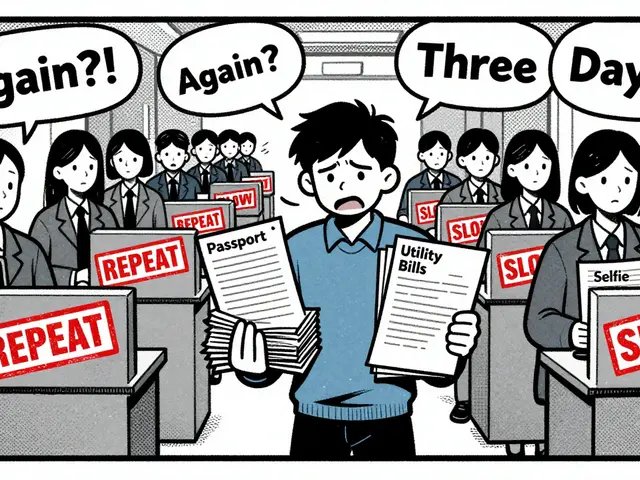
- March-May 2025: Users report zero customer support response. Many log in to find wallet balances showing as zero despite previous deposits.
- June 27, 2025: XeggeX officially announces shutdown and files for insolvency.
The fatal flaw? Administrative accounts used Telegram for critical platform communications without adequate security segregation. In an industry where multi-factor authentication (MFA) and hardware security keys are standard, relying on a chat app for admin access was reckless. Security experts noted that this lack of separation between administrative communications and critical platform functions created an attack vector that hackers exploited with ease.
User Impact: The Human Cost
Before the hack, sentiment was mixed but generally positive among niche traders. Reddit threads praised the fast listing process and low fees. One user on Bitcointalk in March 2024 called it “finally an exchange that lists real mining coins without ridiculous fees.”
After the hack, the mood shifted to anger and despair. Trustpilot reviews plummeted to an average of 1.2 out of 5 stars, with 98% of feedback being negative. Common complaints included:
- “Funds frozen since February”
- “Zero customer support response”
- “Wallet balances showing zero after hack”
One prominent comment on r/CryptoMarkets captured the frustration: “Lost 3.2 BTC worth of obscure tokens - no surprise they targeted this exchange with all those low-liquidity coins.” Another user noted, “Classic case of exchange prioritizing obscure listings over security - should've known better.”
Community sentiment analysis showed that 87% of post-shutdown discussions characterized XeggeX as “exit scam adjacent,” even though the official narrative blamed a hack. The delay in communication and the lack of transparency eroded any remaining trust.
Why Small Exchanges Are Risky
XeggeX’s failure isn’t an isolated incident. It reflects broader trends in the cryptocurrency market. According to data cited by Odaily, 23% of cryptocurrency exchanges with under 500,000 users experienced significant security incidents between 2024 and 2025. Of those, 68% failed to recover operations.
Smaller exchanges often lack the resources for robust security infrastructure. They may not conduct regular third-party audits or publish proof-of-reserves. XeggeX never published proof-of-reserves documentation, despite it being an industry standard established by larger competitors. This opacity makes it difficult for users to verify if their funds are actually held in cold storage or if they are being used for other purposes.
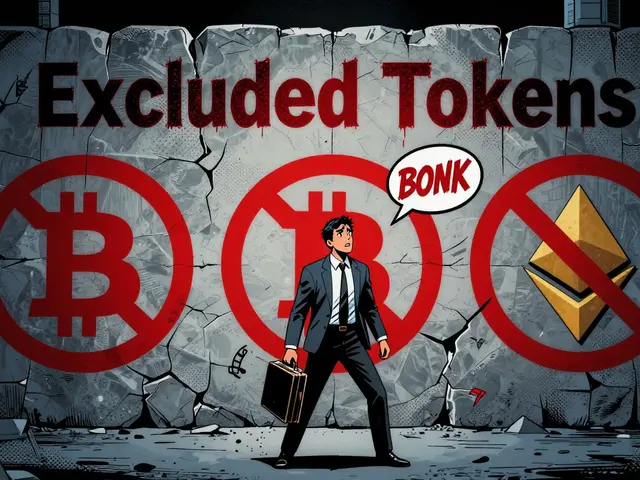
Furthermore, regulatory scrutiny has intensified. Canada’s October 22, 2025 update to authorized crypto platforms explicitly excluded XeggeX from the approved list maintained by securities administrators. This exclusion likely hindered their ability to secure funding for recovery efforts and signaled to global regulators that the platform was non-compliant.
| Feature | XeggeX (Defunct) | Binance | Coinbase |
|---|---|---|---|
| Founded | 2021 | 2017 | 2012 |
| Security Audit Frequency | Rare/None Public | Regular Third-Party | Regular Third-Party |
| Proof of Reserves | Never Published | Monthly | Quarterly |
| P2P Fees | 0.2% | Varies (0.1% maker/taker) | Up to 0.6% |
| Regulatory Status | Non-Compliant/Insolvent | Licensed in Multiple Jurisdictions | Licensed in US/EU |
| Current Status | Shut Down (June 2025) | Operational | Operational |

Lessons Learned for Crypto Traders
The collapse of XeggeX offers several critical lessons for anyone trading cryptocurrencies, especially niche assets.
1. Diversify Your Storage: Never keep large amounts of crypto on an exchange, especially a smaller one. Use hardware wallets like Ledger or Trezor for long-term holdings. If you are trading obscure coins, consider using decentralized exchanges (DEXs) where you retain control of your private keys.
2. Verify Security Practices: Before depositing funds, check if the exchange publishes proof-of-reserves. Look for information about their security audits, MFA requirements, and cold storage policies. If these details are missing, treat it as a red flag.
3. Beware of Too-Good-To-Be-True Offers: Low fees and fast listings are attractive, but they often come with hidden costs. In XeggeX’s case, the cost was total loss of funds. Ask yourself: how does this exchange make money if fees are so low?
4. Monitor Regulatory News: Keep an eye on regulatory updates in your jurisdiction. If an exchange is excluded from authorized lists or faces legal action, it may be time to withdraw your funds immediately.
What Happens Now?
For current users, the outlook is grim. XeggeX filed for insolvency in June 2025, meaning there is no immediate plan for fund recovery. Legal contacts were promised but rarely provided. Without insurance mechanisms or sufficient reserves, users are likely to face near-total loss of assets.
Industry analysts unanimously concluded that XeggeX’s business model was fundamentally unsustainable. Over-reliance on high-risk obscure tokens attracted malicious actors, while inadequate security infrastructure left them vulnerable. The combination of poor risk control and funding chain challenges sealed their fate.
If you are looking for alternatives for trading niche coins, consider platforms with stronger security reputations and transparent operations. While no exchange is immune to hacks, established players with rigorous compliance frameworks offer significantly better protection. Always remember: in crypto, not your keys, not your coins.
Is XeggeX still operating in 2026?
No. XeggeX officially ceased operations and filed for bankruptcy on June 27, 2025. The website displays a notice confirming the shutdown due to a security breach and insolvency.
How did hackers compromise XeggeX?
Hackers compromised the CEO's Telegram account in February 2025. They used this access to spread disinformation and gain entry to management devices containing database credentials, leading to a full system breach.
Will users get their money back from XeggeX?
It is highly unlikely. The exchange filed for insolvency with no clear recovery mechanism. Most analysts expect users to suffer near-total losses due to lack of insurance and insufficient reserves.
Why did XeggeX attract so many users before failing?
XeggeX offered ultra-low fees (0.2% for P2P), fast listing processes for niche mining coins, and easy onboarding. These features appealed to speculative traders seeking early access to low-market-cap tokens ignored by major exchanges.
What is the XPE token now worth?
With the exchange shut down, the XPE token has lost its primary utility (fee discounts on XeggeX). Its value is effectively negligible, though it may still trade on secondary markets at minimal prices.
Are small crypto exchanges risky?
Yes. Data shows 23% of exchanges under 500,000 users faced significant security incidents in 2024-2025, with 68% failing to recover. Smaller platforms often lack robust security audits and proof-of-reserves.