You’ve heard the name btcShark, maybe seen an ad promising quick gains, and now you’re wondering if it’s worth your money. The short answer? Proceed with extreme caution. In fact, most evidence suggests you should probably stay away entirely.
Cryptocurrency trading is already risky enough without adding a platform that might not even be legitimate to the mix. Unlike traditional banking, where FDIC insurance protects your deposits up to $250,000, crypto accounts have no such safety net. If an exchange vanishes, gets hacked, or turns out to be a front for fraud, your funds are gone forever. That’s why choosing the right platform isn’t just about convenience-it’s about survival in this volatile market.
What Is btcShark?
btcShark is a cryptocurrency trading platform that has drawn significant criticism from users regarding its operational practices, fee structure, and overall legitimacy. While specific details about its founding date, headquarters, or regulatory status remain scarce, user reports paint a troubling picture of what happens when you try to trade on this site.
The platform positions itself as another entry in the crowded field of digital asset exchanges, but it lacks the transparency and track record that established players like Coinbase, Kraken, or Binance possess. There’s no clear information about who runs it, where it’s based, or whether it holds any licenses from major financial regulators. In an industry where trust is everything, that silence speaks volumes.
When we look at how legitimate exchanges operate, they typically publish their team members, display regulatory badges prominently, and provide easy access to customer support. btcShark appears to do none of these things consistently-or at all. This absence of basic credibility markers raises red flags before you even deposit a single dollar.
User Experiences: Volatility and Hidden Costs
If there’s one thing crypto traders agree on, it’s that fees matter. But with btcShark, the complaints go beyond high costs-they center around unpredictability and opacity. Users on platforms like Wikibit have described experiencing "extreme price volatility" that can wipe out balances rapidly. One trader noted losing significant value "in the blink of an eye," suggesting either poor liquidity management or potentially manipulated pricing mechanisms.
- Transaction Fees: Described by multiple users as "problematic," though exact percentages aren’t clearly disclosed upfront.
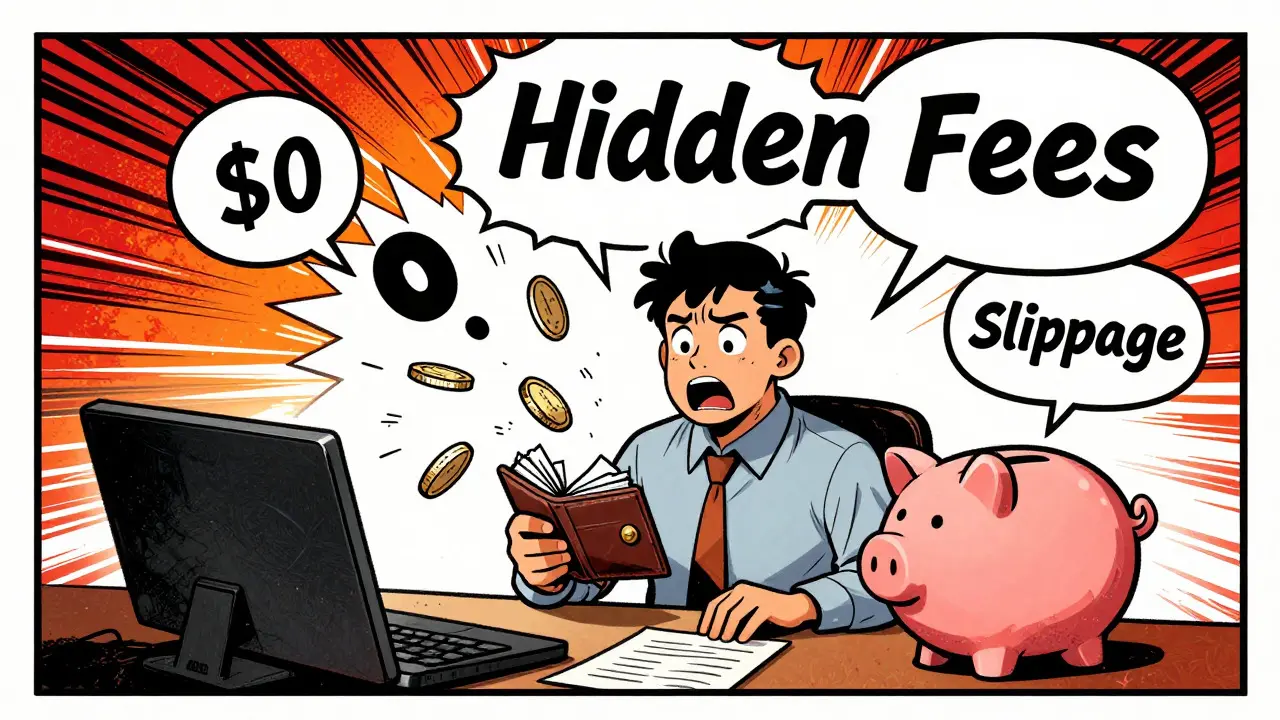
- Price Slippage: Reports indicate large discrepancies between quoted prices and executed trades, especially during peak hours.
- Withdrawal Issues: Some users mention delays or difficulties moving funds off the platform-a classic warning sign in scam investigations.
Compare this to reputable exchanges like Coinbase Pro, which clearly lists maker/taker fees (often under 0.6% for standard tiers) and provides real-time order book data so you know exactly what price you’ll get. Transparency builds trust; obscurity breeds suspicion.
Consider this scenario: You buy Bitcoin on btcShark at what looks like a fair rate. An hour later, you check your portfolio and notice the value dropped sharply-not because the broader market moved, but because the platform’s internal pricing shifted dramatically. Without understanding why, you’re left guessing whether it was bad luck or bad design.
Regulatory Red Flags
In the world of finance, regulation equals accountability. Legitimate cryptocurrency exchanges comply with Anti-Money Laundering (AML) laws and Know Your Customer (KYC) requirements. They undergo regular audits and often hold licenses from bodies like the U.S. Commodity Futures Trading Commission (CFTC), the UK Financial Conduct Authority (FCA), or Australia’s Australian Securities and Investments Commission (ASIC).
So far, there’s no public record showing btcShark holding any such credentials. No mention of compliance officers, no links to audit reports, no statements about cold storage protocols. For context, over 95% of secure crypto holdings globally are kept in offline wallets-cold storage-to protect against hacks. Platforms that don’t disclose their security measures leave users vulnerable.
| Feature | Reputable Exchange (e.g., Coinbase) | btcShark (Based on Available Data) |
|---|---|---|
| Regulatory Licensing | Yes - Multiple jurisdictions | No publicly available information |
| Fee Structure Transparency | Clear tiered pricing published online | Users report hidden or excessive charges |
| Security Protocols | Cold storage, 2FA, encryption detailed | Not specified or verified |
| Customer Support | Responsive, multilingual teams | Limited responsiveness reported |
| User Reviews | Generally positive, long-term reputation | Overwhelmingly negative feedback |
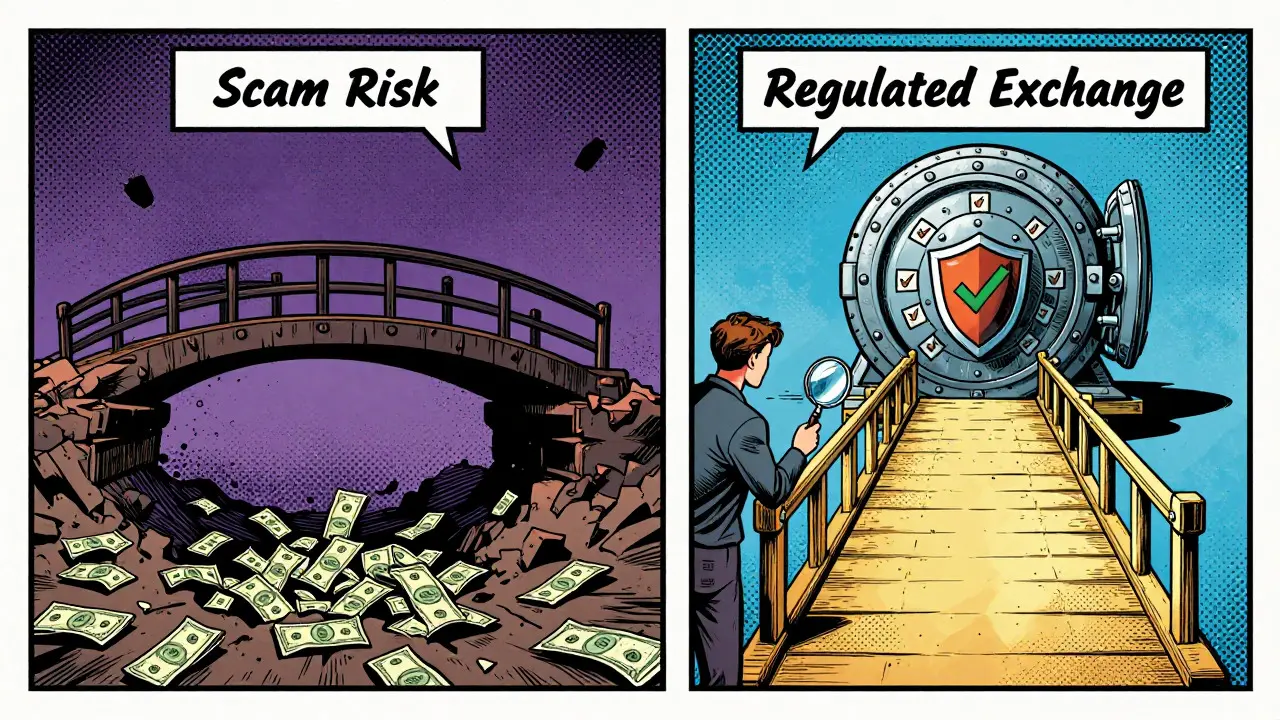
The California Department of Financial Protection and Innovation maintains a Crypto Scam Tracker that catalogs hundreds of fraudulent platforms. Common traits include vague ownership, aggressive marketing, and sudden disappearance after collecting deposits. btcShark shares several of those characteristics, making it prudent to treat it with skepticism until proven otherwise.
Why Do These Platforms Exist?
Fraudulent crypto exchanges thrive on hope and urgency. Many promise returns of 50%, 100%, or even 200% depending on how much you invest. The Commodity Futures Trading Commission (CFTC) warns that these “investment plans” are almost always too good to be true-and usually are. Once scammers collect enough capital, they delay withdrawals, introduce new rules, or simply shut down the site.
Here’s how the cycle typically unfolds:
- Attract Victims: Ads target beginners seeking easy profits.
- Create Illusion of Profit: Dashboards show fake gains to encourage more deposits.
- Delay Withdrawals: When users want out, excuses multiply-technical issues, verification needed, etc.
- Disappear: Eventually, the website goes dark, leaving thousands empty-handed.
This pattern matches numerous cases documented by the Federal Trade Commission (FTC). Remember: cryptocurrency transactions are irreversible. Unlike credit card chargebacks, once your coins move to a scammer’s wallet, recovering them is nearly impossible unless law enforcement intervenes early-which rarely happens due to cross-border complexities.
How to Spot a Safe Crypto Exchange
Avoiding platforms like btcShark starts with knowing what legitimate ones look like. Here’s a checklist you can use before signing up anywhere:
- Check Regulatory Status: Search official databases (like FinCEN in the US or ASIC in Australia) to verify licensing.
- Read Independent Reviews: Look beyond sponsored content. Sites like Trustpilot, Reddit, and specialized forums offer unfiltered opinions.
- Test Small Deposits First: Never load large sums initially. Try withdrawing small amounts to confirm functionality.
- Verify Security Features: Ensure two-factor authentication (2FA), email confirmations, and withdrawal whitelists are available.
- Contact Support Directly: Ask questions and gauge response time. Slow or generic replies signal trouble ahead.
For example, Kraken publishes its reserve proofs monthly, allowing users to independently verify that client assets match liabilities. That level of openness doesn’t exist with lesser-known platforms like btcShark.
Alternatives Worth Considering
If you’re looking for reliable places to trade cryptocurrencies, stick with well-established names that have survived years of scrutiny:
- Coinbase: Publicly traded company, strong regulatory compliance, beginner-friendly interface.
- Kraken: Known for low fees, advanced tools, and transparent reporting.
- Binance: Largest global volume, extensive coin selection, though subject to varying regional regulations.
- Bitfinex: Popular among professional traders, deep liquidity, robust API access.
Each comes with pros and cons, but all share something critical: a verifiable history and millions of active users. That social proof matters immensely when evaluating risk.
Final Thoughts: Protect Yourself First
The cryptocurrency space moves fast, and unfortunately, opportunists exploit that speed. Platforms like btcShark may appear functional at first glance, but dig deeper and you’ll find inconsistencies, missing disclosures, and angry former customers. Don’t let FOMO drive your decisions. Instead, prioritize platforms that earn trust through consistency, clarity, and compliance.
Your hard-earned money deserves better than guesswork. Before committing funds to any exchange, ask yourself: Would I feel comfortable recommending this to my sibling? If the answer hesitates, keep looking. Better safe than sorry.
Is btcShark a scam?
While definitive legal rulings haven’t labeled btcShark as a scam, overwhelming user complaints about hidden fees, extreme volatility, and withdrawal problems align closely with known fraudulent patterns. Until the platform demonstrates full transparency and regulatory compliance, treating it as high-risk is wise.
Are my funds insured on btcShark?
No. Cryptocurrency exchanges generally do not offer government-backed insurance like banks do. Unless explicitly stated otherwise (which btcShark does not appear to do), your funds carry no external protection if the platform fails or disappears.
What are typical signs of a fake crypto exchange?
Warning signs include unrealistic return promises, pressure to deposit quickly, lack of regulatory info, poor customer service, inconsistent pricing, and difficulty withdrawing funds. Always cross-check claims with independent sources before investing.
Can I recover lost money from btcShark?
Recovery is extremely difficult since crypto transactions are irreversible. Report losses immediately to local authorities and consider filing complaints with agencies like the FTC or CFTC. However, expect limited chances of reimbursement unless part of a larger coordinated investigation.
Which crypto exchanges are safest for beginners?
Beginners should start with regulated, user-friendly platforms like Coinbase or Kraken. Both offer educational resources, straightforward interfaces, and proven track records. Avoid obscure sites lacking clear contact info or regulatory standing.
Does btcShark require KYC verification?
Information about btcShark’s identity verification process is unclear. Legitimate exchanges enforce strict KYC procedures to prevent fraud and meet legal obligations. Absence of visible KYC steps could indicate lax standards-or worse, intentional anonymity for illicit purposes.
How much does btcShark charge in fees?
Exact fee structures aren’t clearly published. User reports describe them as problematic and unexpectedly high. Compare this to Coinbase’s transparent model where fees range from 0.5% to 4% depending on payment method and trade size. Ambiguity here increases potential cost surprises.
Should I use btcShark for day trading?
Highly discouraged. Day trading demands accurate pricing, fast execution, and reliable withdrawals-all areas where btcShark faces serious criticism. Opt instead for exchanges offering real-time charts, tight spreads, and instant settlement capabilities.
Where can I read honest btcShark reviews?
Visit independent review aggregators like Wikibit, Trustpilot, and Reddit communities focused on crypto trading. Be wary of overly positive articles hosted directly on the exchange’s domain-they’re likely self-promotional rather than objective assessments.
Is btcShark available in New Zealand?
There’s no confirmed restriction preventing NZ residents from accessing btcShark, but also no indication it complies with FMA (Financial Markets Authority) guidelines. Given the risks involved, Kiwi investors would be safer sticking with locally recognized platforms like CoinSpot or Independent Reserve.