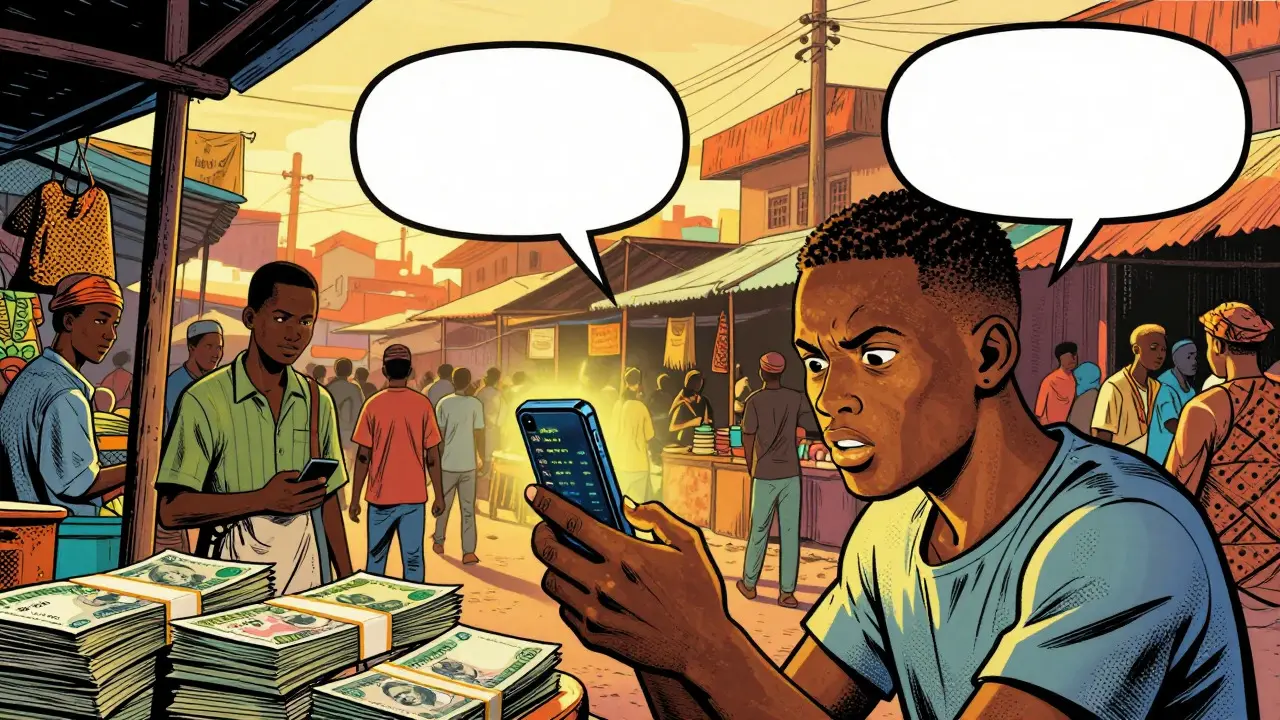
Nigeria is no longer just a participant in the global crypto scene; it is one of the biggest players. With over 72 million active users, you are part of a market that ranks second only to India in adoption rates. But here is the catch: while the demand is massive, the landscape is messy. Between the 24% inflation rate and the naira losing significant value against the dollar, many Nigerians turn to digital assets to protect their wealth. However, choosing the right platform isn't just about finding where you can buy Bitcoin. It’s about avoiding the traps that have cost locals trillions of naira in scams.
Since the passage of the Investment and Securities Act (ISA) in 2025, the rules have changed. The days of flying under the radar are over. The Securities and Exchange Commission (SEC) now has a clear framework for digital assets, which means some platforms are safer than others. If you are looking to trade, save, or hedge your income, you need to know exactly which exchanges allow Nigerian citizens to operate legally and securely in 2026.
The Regulatory Shift: Why 2026 Is Different
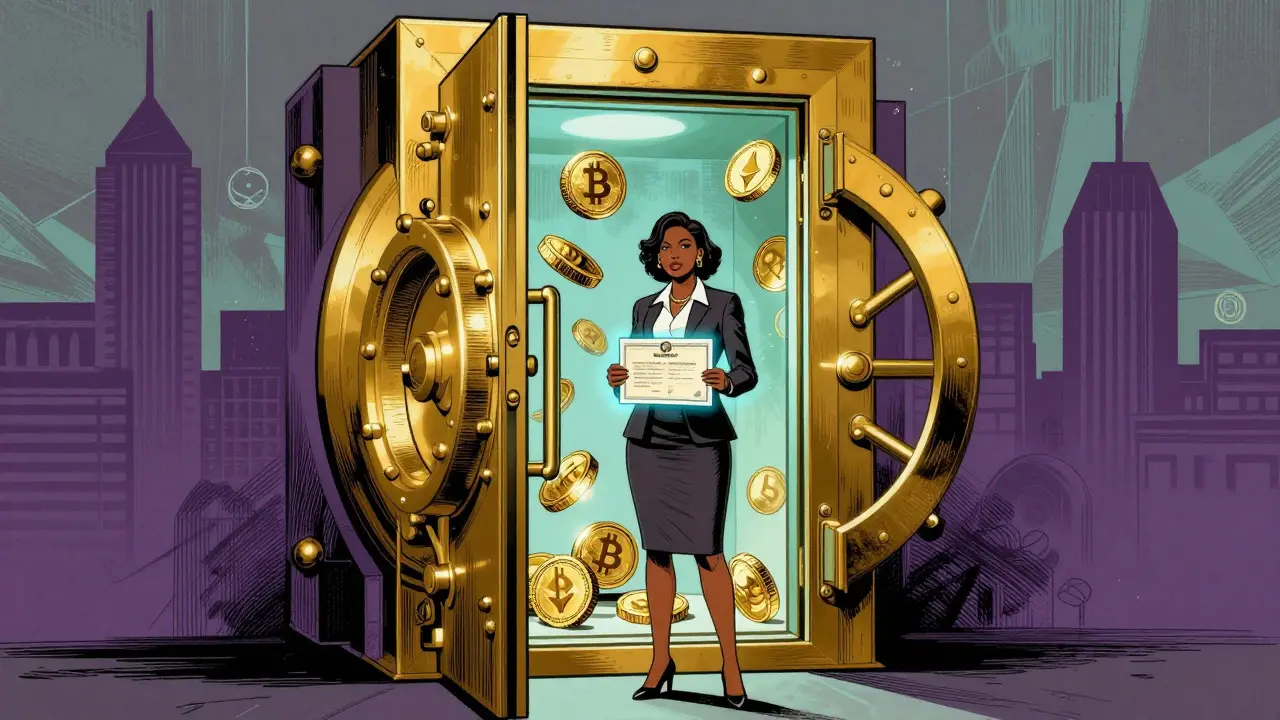
For years, Nigerian crypto users operated in a gray area. Banks would occasionally freeze accounts, and regulators sent conflicting signals. That era ended with the Investment and Securities Act (ISA) is a comprehensive regulatory framework passed in 2025 that legalizes and structures digital asset operations in Nigeria. This law gave the SEC the power to license exchanges and enforce standards. According to Dr. Emomotimi Agama, the Director General of SEC Nigeria, over 33% of the country's population is now engaged in this space. This legitimacy is crucial because it separates serious businesses from fly-by-night operators.
However, regulation doesn't mean zero risk. In fact, the SEC revealed that Nigerians lost an estimated 1 trillion naira to Ponzi schemes over the last two decades, with another 1.3 trillion naira vanishing in the Cybeg saga alone in 2024. Currently, investigators are looking into 79 suspected schemes. So, when you pick an exchange, you aren't just checking if they accept Naira; you are checking if they are licensed under the new ISA framework. This distinction is the single most important factor in keeping your money safe.
Top Licensed Exchanges Serving Nigerian Users
Not all platforms are created equal. Some focus on speed, others on variety, and some on local convenience. Here is how the major players stack up for Nigerian citizens in 2026.
Binance: The Global Giant
Binance is the world's largest cryptocurrency exchange by trading volume, offering extensive coin selection and advanced trading tools. For many Nigerians, Binance remains the default choice because of its liquidity. You can find almost any token listed there. The platform supports P2P trading, which is vital in Nigeria due to banking restrictions. However, Binance faces ongoing scrutiny globally, so users should stay alert to news regarding potential regulatory shifts. It’s best for traders who want deep markets and diverse assets, but be prepared for a more complex interface compared to local options.
EasyEquities: The Local Powerhouse
If you prioritize ease of use and transparency, EasyEquities is a leading African fintech platform identified as the best crypto broker in Nigeria for 2025, known for low fees and superior mobile functionality. EasyEquities has carved out a strong niche by focusing specifically on the African market. Their mobile app is widely praised for being intuitive, which matters in a region where mobile-first internet usage is the norm. They offer a wide range of coins and stocks, making them a good all-rounder. The fee structure is transparent, which is a huge plus when you are comparing costs across different platforms. For beginners or those who want a reliable, locally-supported experience, this is often the top recommendation.
Breet: Speed and Instant Payouts
Breet is an over-the-counter (OTC) exchange specializing in instant bank payouts to Nigerian accounts. In a market where moving money from crypto back to fiat can take days, Breet solves a major pain point. They focus on immediate liquidity, allowing you to sell your crypto and have the naira hit your bank account quickly. This makes them ideal for users who need cash flow rather than long-term holding. While their coin selection might not match Binance, their service model addresses the specific friction points of the Nigerian banking system.
YellowCard: Africa-Centric Services
YellowCard is a financial technology company providing multi-currency cards and crypto services tailored to African payment methods. YellowCard integrates well with local payment systems, which helps if you frequently deal with cross-border transactions or want to spend your crypto directly. Their customer support is generally rated higher for responsiveness among Nigerian users compared to purely international platforms. However, they may have fewer trading pairs, so they work best for those who primarily hold major assets like Bitcoin and Ethereum.
Peer-to-Peer Trading: The Double-Edged Sword
While centralized exchanges offer security, Peer-to-Peer (P2P) trading remains popular in Nigeria due to flexibility. Platforms like Paxful is a peer-to-peer marketplace allowing direct trading between users without a central intermediary allow you to trade directly with other individuals. The appeal? You can often get better rates than fixed exchange prices. You can also use various payment methods that might not be supported by larger exchanges.
But here is the risk: you are dealing with humans, not algorithms. Scams, unreliable buyers, and delayed transactions are common complaints. Success on P2P depends heavily on the reputation of your counterparty. If you choose this route, stick to verified merchants with high transaction volumes. Never release funds until the process is complete, and keep records of every interaction. P2P is not for the faint of heart; it requires diligence and patience.
Comparing Key Features for Nigerian Users
To help you decide, let's look at how these platforms compare on the metrics that matter most: fees, speed, and security.
| Platform | Primary Strength | Fee Transparency | Best For | Risk Level |
|---|---|---|---|---|
| Binance | Highest Liquidity & Coin Variety | High | Active Traders | Medium (Regulatory Watch) |
| EasyEquities | Mobile UX & Low Fees | Very High | Beginners & Savers | Low (Local Support) |
| Breet | Instant Bank Payouts | High | Liquidity Needs | Low-Medium |
| YellowCard | Local Payment Integration | Medium-High | Cross-Border Spending | Low |
| Paxful (P2P) | Flexible Rates & Methods | Variable | Rate Optimization | High (Counterparty Risk) |
Security and Verification: What to Expect
Opening an account is no longer a simple email sign-up. Due to KYC (Know Your Customer) requirements, you will need valid Nigerian identification documents, proof of address, and bank account verification. Platforms like EasyEquities and MultiBank require more comprehensive documentation, including income verification, because they operate as brokers. Breet streamlines this process for faster activation, which is convenient if you want to start trading immediately.
Support quality varies significantly. Local platforms like YellowCard and NairaEx often offer phone support during Nigerian business hours, which is a lifesaver when things go wrong. International giants usually rely on English-language chat or email, with response times ranging from 24 to 48 hours. If you are new to crypto, having access to human support in your time zone can make a big difference in your confidence level.
How to Choose the Right Platform for You
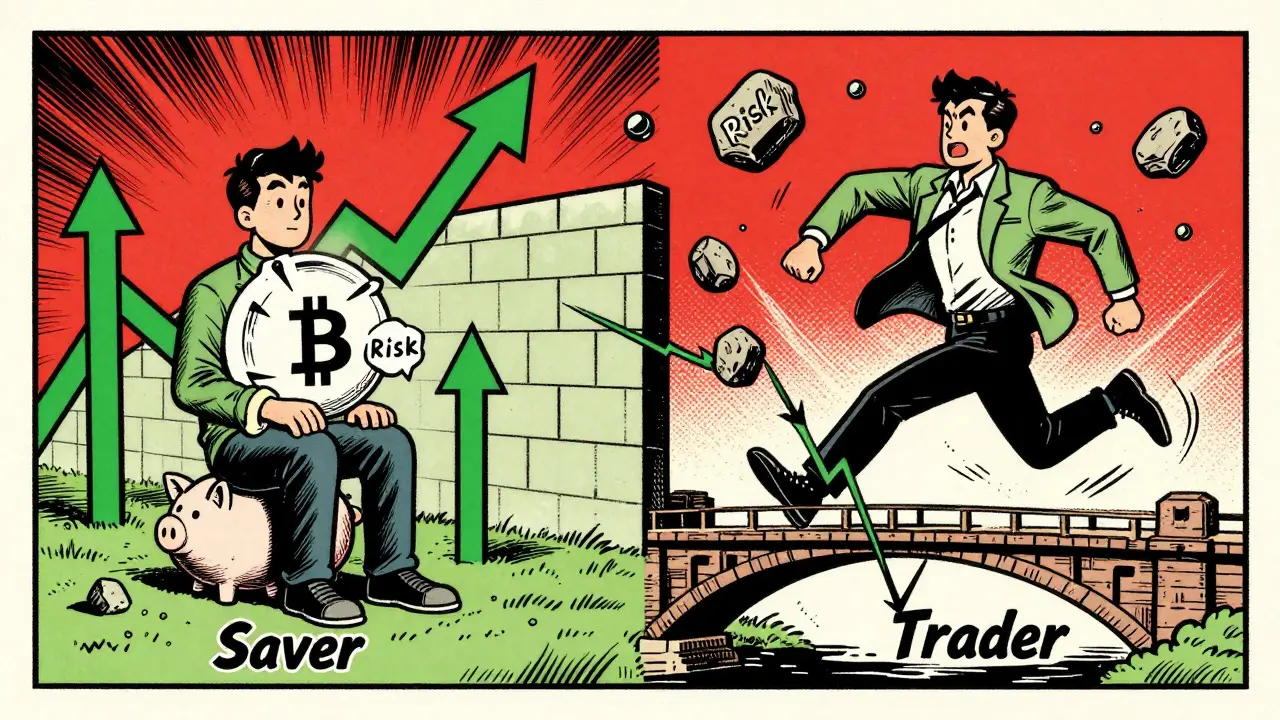
Your choice should depend on your primary goal. Are you trying to protect your savings from inflation? Do you need quick access to cash? Or are you actively trading altcoins?
- For Protection & Savings: Go with EasyEquities. The low fees and stable user experience make it easy to buy and hold Bitcoin or Ethereum without stress.
- For Quick Cash-Outs: Use Breet. If you need to convert your crypto to Naira instantly for bills or expenses, their OTC model is hard to beat.
- For Active Trading: Stick with Binance. The depth of the market allows for tighter spreads and access to newer tokens that aren't available elsewhere.
- For Cross-Border Payments: Consider YellowCard. Their integration with local banks and international cards simplifies spending abroad.
Whichever path you take, diversify your storage. Don't keep all your eggs in one basket. Use a reputable exchange for trading, but consider moving long-term holdings to a hardware wallet if your portfolio grows significantly. This adds an extra layer of security against platform-specific risks.
Frequently Asked Questions
Is it legal to buy crypto in Nigeria in 2026?
Yes, it is legal. The Investment and Securities Act (ISA) of 2025 established a clear regulatory framework for digital assets. As long as you use licensed exchanges regulated by the SEC Nigeria, you are operating within the law. Always verify that your chosen platform holds the necessary licenses to avoid issues with frozen accounts or unregulated entities.
Which exchange has the lowest fees for Nigerian users?
EasyEquities is frequently cited for having extremely low fees and transparent pricing structures. However, P2P platforms like Paxful can sometimes offer better effective rates depending on the spread between buyer and seller. For standard spot trading, check the specific fee schedules of Binance and EasyEquities, as they compete closely on this metric.
What documents do I need to open a crypto account in Nigeria?
You typically need a valid government-issued ID (like a National ID card or Passport), proof of address (utility bill or bank statement), and a verified Nigerian bank account for fiat deposits and withdrawals. Some broker-style platforms may also ask for income verification or trading experience details during the KYC process.
Are P2P trades safer than using a central exchange?
Generally, no. Centralized exchanges provide escrow services that protect both parties during a trade. P2P trading introduces counterparty risk, meaning you are relying on the honesty and reliability of another individual. While P2P can yield better rates, it requires strict adherence to safety protocols and dealing only with highly rated merchants to minimize scam risk.
How does the naira devaluation affect my crypto strategy?
Since the naira has lost significant value against the dollar, holding crypto like Bitcoin can act as a hedge against inflation. Many Nigerian users adopt a "barbell strategy," keeping some funds in stablecoins (pegged to the USD) for stability and some in volatile assets like Bitcoin for growth potential. This approach helps mitigate the risk of currency devaluation while still participating in market upside.