It is August 2026, and the dust has settled on the massive wave of dog-themed cryptocurrencies that swept through late 2025. If you are reading this, you likely heard about the Dogs Of Elon (DOE) project and its high-profile airdrop campaign. You want to know if it was worth your time, how the mechanics worked, and what the current state of the token looks like. The short answer? It was a significant event for NFT collectors, but the financial reality for traders has been mixed.
The Dogs Of Elon project positioned itself as a direct alternative to CryptoPunks, specifically targeting the memecoin community. Instead of just holding a volatile token, participants were offered a chance to earn one of 10,000 unique NFTs. These weren't just pictures; they were utility assets designed to be staked for rewards in renDOGE, SHIBA, and native DOE tokens. The hook was a major partnership with CoinMarketCap, distributing over $600,000 worth of value to lucky winners. But did the hype match the outcome? Let’s break down exactly how the airdrop functioned, the technical details behind the token, and what the data says about its performance leading into 2026.
How the Dogs Of Elon Airdrop Worked
To understand the value proposition, you first need to look at the entry barrier. Unlike many scams that ask for upfront fees, the DOE airdrop relied on engagement metrics. This is a common strategy in the crypto space: build community size before launching utility. The process required users to navigate several platforms, ensuring that anyone who claimed an NFT was already somewhat invested in the ecosystem.
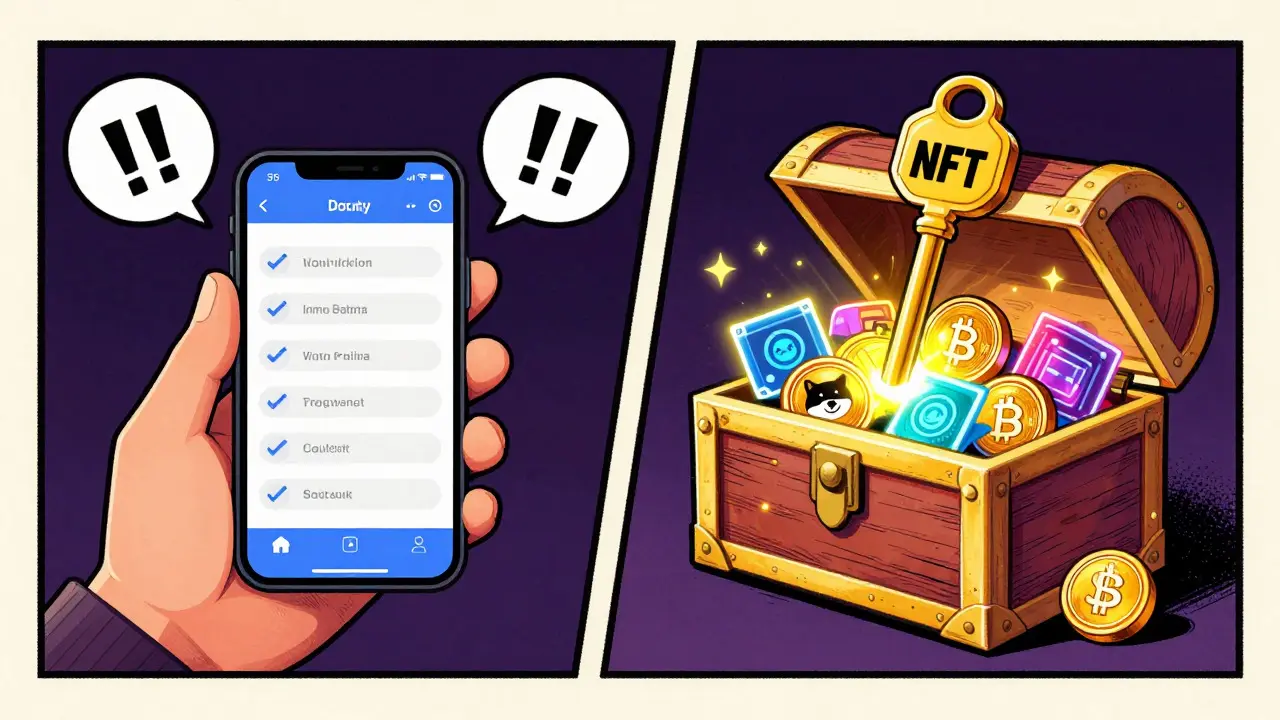
The participation steps were strict. First, you needed a verified account on CoinMarketCap. Once logged in, users had to visit the specific currency page for Dogs Of Elon and add it to their watchlist. This signaled genuine interest rather than bot activity. Next came the social media layer. Participants had to follow the official DOE Twitter account and the CoinMarketCap Twitter handle. Then, they joined two separate Telegram channels: the main discussion group and the updates channel. Finally, users submitted their Ethereum wallet addresses via a form on the CoinMarketCap event page.
Was the Dogs Of Elon airdrop free?
Yes, the initial participation was free. However, winners needed an Ethereum wallet to receive the NFTs, which implies having some ETH for potential gas fees if they chose to sell or move the asset later.
This multi-step verification helped filter out low-effort participants. Out of all those who completed the checklist, 150 winners were selected. Each winner received up to one NFT. While 150 might sound small compared to the millions of holders in projects like Dogecoin, remember that these were premium, limited-edition digital collectibles tied to a staking mechanism. The scarcity was intentional.
Tokenomics and Staking Utility
What makes Dogs Of Elon different from a standard JPEG drop? The staking utility. When you held one of the 10,000 unique NFTs, it wasn't just sitting in your wallet. It acted as a key to earn other tokens. Holders could stake their DOE NFT to receive rewards in three distinct currencies: renDOGE, SHIBA, and the native DOE token.
This multi-token reward system is crucial. It ties the fate of the NFT to the broader dog-coin ecosystem. By earning SHIBA and renDOGE, the project linked itself to established market leaders. However, there was a catch mentioned in the early documentation: the staking periods were described as "short." This lack of long-term commitment flexibility often leads to volatility, as users rush to claim rewards and then dump them, creating selling pressure on the native DOE token.
The underlying technology operates on the Ethereum blockchain. This means every transaction, from minting the NFT to claiming staking rewards, incurs gas fees. For a memecoin project, Ethereum can be expensive. Users with smaller balances often found themselves paying more in network fees than the value of the rewards they earned, a common pitfall in Layer-1 based meme projects.
Market Performance and Price Analysis
Let’s talk numbers. As we look back from August 2026, the price action of the DOE token tells a story of initial hype followed by steady decline. During the peak of the airdrop excitement in mid-2025, the token traded around $0.0001638 according to CoinGecko data. CoinCodex reported slightly higher figures, hovering near $0.000182. The 24-hour trading volume was modest, recorded at just $12.24 during quiet periods, indicating low liquidity.
Technical indicators painted a bearish picture even before the end of 2025. The Fear & Greed Index sat at 60, signaling "Greed," which often precedes a correction when sentiment gets too hot without fundamental support. More importantly, the moving averages showed weakness. The 50-day Simple Moving Average (SMA) was at $0.000168, while the 200-day SMA stood much higher at $0.00079. When the short-term average is below the long-term average, it suggests downward momentum.
| Metric | Value | Implication |
|---|---|---|
| Price (CoinGecko) | $0.0001638 | Low absolute value, high unit count |
| 50-Day SMA | $0.000168 | Short-term trend neutral to weak |
| 200-Day SMA | $0.00079 | Long-term downtrend confirmed |
| RSI (14-day) | 58.49 | Neither overbought nor oversold |
| Predicted Decline | 25.16% | Bearish outlook for Q4 2025 |
CoinCodex analysis predicted a 25.16% price drop, projecting the token to fall to $0.000126 by late October 2025. This prediction largely materialized. For traders watching the charts, this presented a short-selling opportunity. Calculations suggested that shorting $1,000 worth of DOE and covering the position by December 2025 could yield roughly $310 in profit, excluding fees. This highlights a harsh truth: while the community celebrated the NFTs, the token market saw little reason to hold the native asset long-term.
Comparison with Other Dog Meme Coins
You cannot evaluate Dogs Of Elon in isolation. It exists in a crowded field of dog-themed cryptocurrencies. In 2025, the "meme coin supercycle" narrative drove massive capital into projects like FLOKI, Bonk, and DOGS. FLOKI, for instance, posted gains of over 730% in a single year, driven by strong brand recognition and utility beyond just memes. Bonk succeeded by leveraging the Solana blockchain, offering lower transaction fees and faster speeds compared to Ethereum-based projects.
In contrast, Dogs Of Elon occupied a niche position. It focused on NFT utility rather than pure speculation. While this sounds sophisticated, it often fails to attract the retail frenzy that drives meme coin prices. Projects like DOGE2014, which capitalized on Dogecoin's 10-year anniversary, attracted over $700,000 in investment and billions in staked tokens. They benefited from nostalgia and broad appeal. Dogs Of Elon, with its complex staking requirements and Ethereum gas fees, struggled to compete for attention against simpler, cheaper alternatives.
The Bitget exchange did incorporate DOE into promotional activities, allowing users to convert various crypto rewards into DOE tokens. This provided some liquidity and visibility, but it wasn't enough to reverse the broader market sentiment. The token remained a secondary player in a market dominated by giants with deeper liquidity pools and stronger communities.
Risks and Considerations for Investors
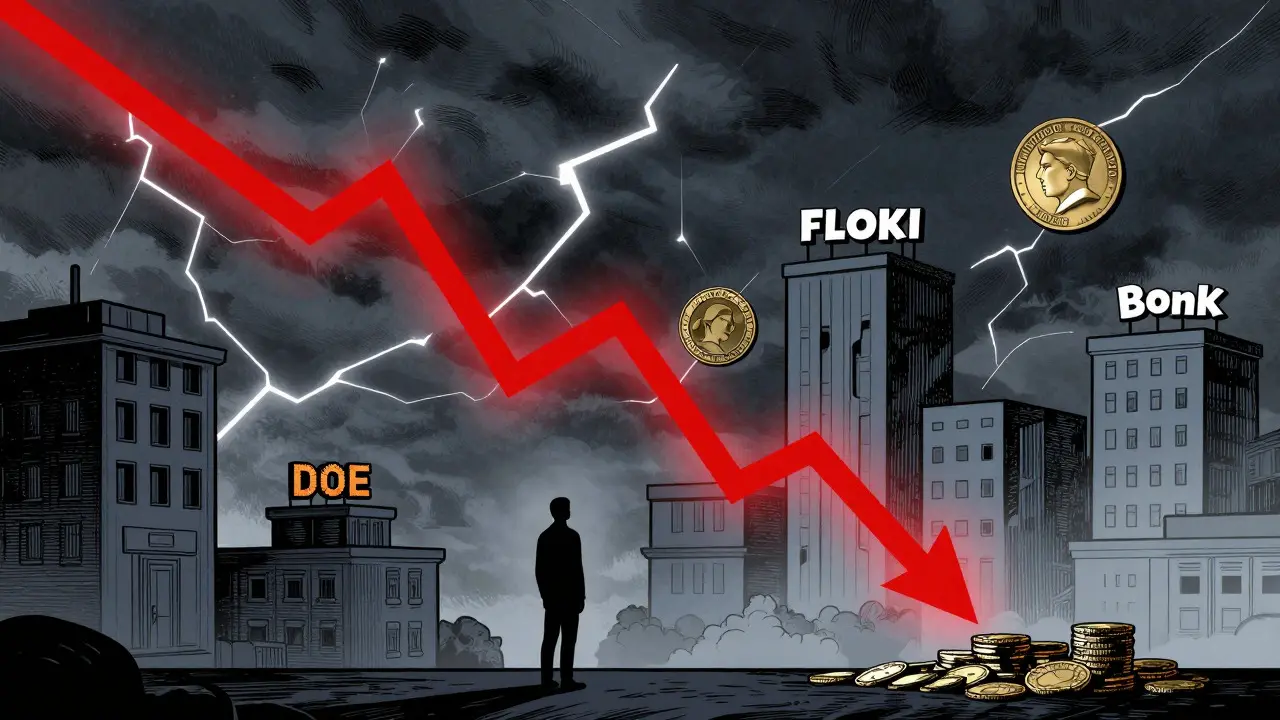
If you are considering entering the market now, or reflecting on past participation, understanding the risks is vital. The primary risk with projects like Dogs Of Elon is the disconnect between NFT value and token value. You might hold a valuable NFT that earns you small amounts of DOE, but if the DOE token price collapses, your earnings lose purchasing power rapidly.
Another critical factor is liquidity. With daily volumes often under $20, large trades can significantly impact the price. Slippage becomes a real concern. If you try to sell a substantial amount of DOE, you might not find enough buyers at your desired price, forcing you to accept a lower rate. This illiquidity traps investors, making it difficult to exit positions without taking a loss.
Furthermore, the reliance on external platforms like CoinMarketCap for distribution creates dependency. If the partnership ends or the platform changes its policies, the marketing engine driving new users stalls. Community growth slowed after the initial airdrop hype faded, leaving the project to rely on organic adoption, which has been sluggish.
Final Thoughts on the DOE Ecosystem
As we move further into 2026, the Dogs Of Elon experiment serves as a case study in the complexities of merging NFTs with memecoins. The concept was sound: give holders utility through staking and tie them to successful ecosystems like Shiba Inu. However, execution challenges, including high Ethereum gas fees and limited liquidity, hindered its success. The CoinMarketCap airdrop provided a great entry point for enthusiasts, but the long-term financial returns have been disappointing for most.
For collectors, the NFTs remain unique digital artifacts. For traders, the token has shown consistent downward pressure. If you are looking for the next big meme coin play, you might find better opportunities in projects with lower transaction costs and stronger community momentum. Dogs Of Elon taught us that utility alone isn't enough; you need accessibility and liquidity to sustain growth in the volatile world of cryptocurrency.
Is Dogs Of Elon still active in 2026?
The project remains technically active, with NFTs still tradable and staking mechanisms in place. However, community engagement and trading volume have decreased significantly compared to the 2025 peak.
Can I still participate in the CoinMarketCap airdrop?
No, the specific CoinMarketCap airdrop campaign concluded in late 2025. New participants must buy NFTs or tokens directly from exchanges or secondary markets.
What tokens do I earn from staking a DOE NFT?
Staking a Dogs Of Elon NFT rewards holders with renDOGE, SHIBA, and the native DOE token. The exact amounts depend on the staking duration and total supply staked.
Why did the DOE token price drop so much?
The price drop was driven by low liquidity, high Ethereum gas fees deterring small traders, and a lack of sustained buying pressure after the initial airdrop hype faded. Technical indicators also pointed to a long-term downtrend.
How does Dogs Of Elon compare to Bonk or FLOKI?
Unlike Bonk (Solana) and FLOKI (multi-chain), Dogs Of Elon is Ethereum-based, leading to higher transaction costs. It also focuses more on NFT utility rather than pure meme speculation, resulting in lower trading volumes and less mainstream adoption.