
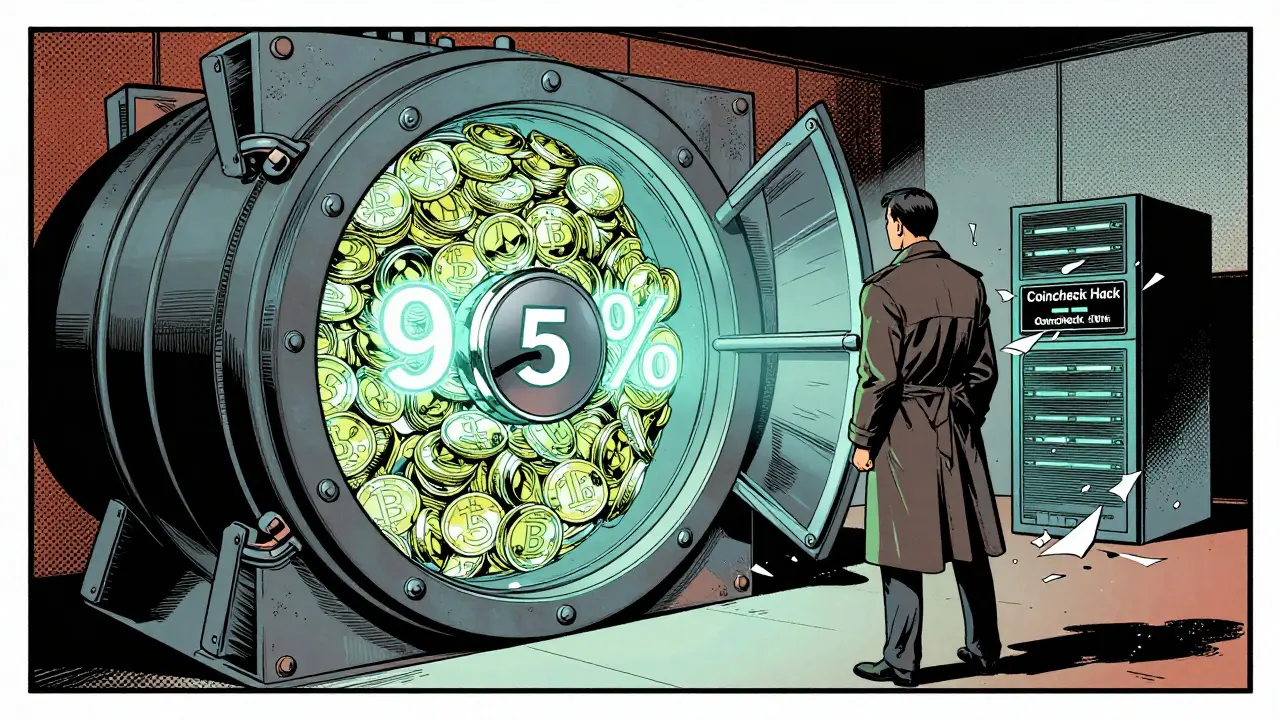
When Japan first started regulating cryptocurrency exchanges in 2017, it wasn’t trying to be the strictest in the world. It was trying to stop another major hack. After Coincheck lost $534 million in NEM tokens, the government realized that letting exchanges run loose wasn’t an option. Today, Japan’s system is one of the most detailed - and toughest - in the world. If you’re running or planning to launch a crypto exchange that serves Japanese users, you’re not just dealing with rules. You’re dealing with a full-on regulatory machine.
How Japan’s Crypto Licensing System Works Now
All crypto exchanges that want to operate in Japan must register with the Financial Services Agency (FSA). As of June 2025, only 21 platforms held active licenses. That’s down from over 30 in 2021. Seventeen exchanges have been kicked out since 2017 for failing audits, poor security, or not meeting capital rules. The FSA doesn’t play around. If you’re not compliant, you’re out. The big shift happened on September 2, 2025. Before that, crypto exchanges were regulated under the Payment Services Act (PSA), which treated digital assets like money. Now, they’re moving under the Financial Instruments and Exchange Act (FIEA). That’s a huge deal. It means crypto isn’t just a payment tool anymore - it’s an investment product. This change lets the FSA treat tokens like stocks or bonds when they’re used for trading or fundraising. It’s the same logic used in the U.S. for security tokens, but here, it’s applied nationwide - not case by case.The Hard Requirements to Get Licensed
Getting licensed isn’t about filling out a form. It’s about building a whole new business structure. Here’s what you need:- You must be a kabushiki-kaisha - a Japanese joint-stock company. Foreign companies can’t just apply as-is. They need a local subsidiary with a registered office in Japan.
- You need a resident manager who lives in Japan and takes personal legal responsibility for compliance. This isn’t a figurehead. If something goes wrong, this person can be fined or even jailed.
- Minimum capital: 10 million yen (about $68,000 USD) in cash, plus positive net assets. Most serious applicants have over $5 million in funding.
- At least 95% of user funds must be stored in offline cold wallets. No exceptions. This rule came straight from the Coincheck disaster. Even if you have a fancy institutional custody solution, you still have to keep nearly all assets offline.
- You need 24/7 security monitoring with a response team that can act within 15 minutes of any breach attempt.
- Your system must handle DDoS attacks of over 1 terabit per second. That’s more than most banks can handle.
On top of that, you need anti-money laundering (AML) systems that meet FATF standards, real-time transaction monitoring, and annual third-party audits. The average time to get licensed? 18 to 24 months. The average cost? $500,000 to $1 million. Most startups can’t afford this. That’s why the market is so small - and so stable.
The JVCEA: Japan’s Secret Regulatory Layer
The FSA sets the baseline. But the real power lies with the Japan Virtual Currency Exchange Association (JVCEA). Eighteen of the 21 licensed exchanges are members. That means they’re subject to rules even stricter than the FSA’s. The JVCEA runs a Token Listing Committee made up of 17 experts. Every new token - even Bitcoin Cash or Dogecoin - needs their approval before it can be traded. In Q2 2025 alone, they rejected 72% of the 147 applications they reviewed. Why? Because many tokens lacked transparent whitepapers, had unverified smart contracts, or showed signs of pump-and-dump schemes. This is the opposite of Singapore, where exchanges can list any token they want. It’s also very different from the U.S., where the SEC chases individual coins after they’re already trading. Japan stops bad tokens before they even hit the market. In April 2025, the JVCEA froze all new token listings for 30 days after a spike in meme coin scams. That kind of control doesn’t happen anywhere else.
What You Can’t Do - And Why It Matters
Japan’s rules aren’t just about safety. They’re about limiting risk. That means some features you see on other exchanges are banned here:- No leverage above 2x. In 2023, Japan cut leverage from 4x to 2x after retail traders started losing big money on volatile altcoins. This is why you won’t find 10x or 50x trading on Bitbank or DMM Bitcoin.
- No margin trading on most altcoins. Even if a token is listed, you can’t trade it on margin unless the JVCEA gives special approval.
- No anonymous trading. All users must pass full KYC. No crypto-only accounts.
- No staking-as-a-service unless it’s pre-approved. The FSA considers staking a form of securities offering, so it’s heavily restricted.
These rules make Japan’s exchanges boring compared to Binance or Bybit. But they also make them safer. Reddit user TokyoTrader88 wrote in August 2025: “My 2.3 BTC stayed safe during a March hack because Bitbank’s cold storage worked. I lost nothing - unlike friends on unregulated platforms.”
But there’s a cost. Retail investors complain about missing out on trending coins. Trustpilot reviews for GMO Coin show users frustrated that they can’t trade new tokens until the JVCEA approves them - sometimes months after global launches. Professional traders say the 2x leverage cap has driven 15% of active day traders out of Japan’s market, according to CryptoCompare’s 2025 data.
Why Japan’s System Is Still the Gold Standard
Despite the restrictions, Japan’s framework has real advantages. First, legal clarity. Since 2017, crypto has been recognized as property under Japanese law. That means taxes are clear, ownership is enforceable, and disputes can be handled in court. In the U.S., you still don’t know if a token is a security or a commodity - and regulators fight over it. Second, investor confidence. The FSA’s 2025 Consumer Confidence Report found that 87% of Japanese crypto users feel “very” or “somewhat” secure using licensed exchanges. That’s higher than in the U.S. (63%) or Europe (71%). Third, institutional trust. Japan’s banks may not fully support crypto yet - only 8% currently offer fiat on-ramps - but the FSA is working on it. In September 2025, the FSA proposed allowing megabanks like Mitsubishi UFJ to become licensed exchange operators. If that happens, Japan could see a flood of institutional money into crypto for the first time.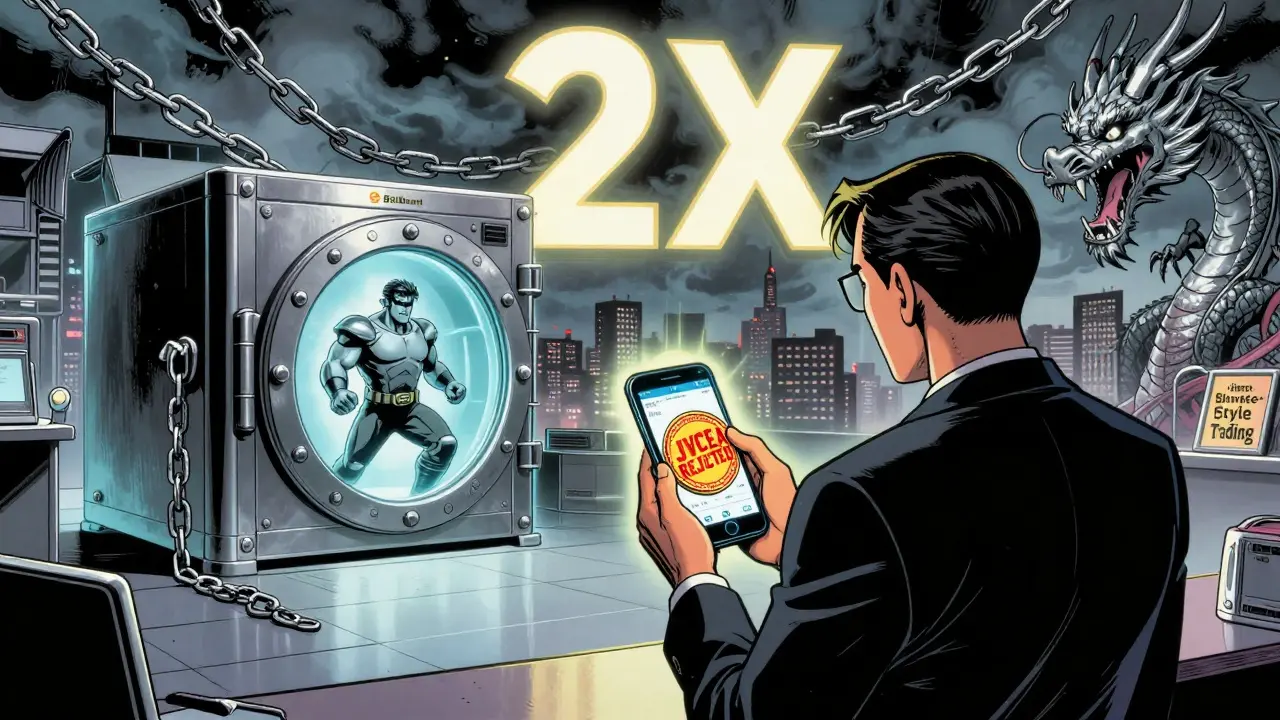
The Big Changes Coming in 2026
The FSA’s roadmap is clear: full integration under the FIEA by March 2026. That means crypto assets will be treated based on their function - not their label. Payment tokens (like Bitcoin) get lighter rules. Investment tokens (like tokenized real estate or DeFi tokens) get full securities oversight. The new Electronic Payment Instrument and Crypto-asset Intermediary Service Business (ECISB) framework will require exchanges to notify regulators before launching any new service. That’s not a suggestion. It’s a legal requirement. Failure to notify could mean immediate license suspension. The FSA is also reviewing whether banks can hold Bitcoin as an investment asset. Right now, banks are banned from owning crypto. But with new rules, they might be allowed - if they set aside 30% capital buffers (vs. 8% for stocks) and pass stress tests for 80% price drops. That’s extreme caution. But it’s also a sign Japan is preparing for crypto to go mainstream.Who This Framework Is For - And Who It’s Not
If you’re a small exchange trying to compete with Binance, Japan’s system will crush you. The costs, delays, and restrictions are too high. But if you’re a serious player - a financial institution, a legacy fintech, or a well-funded startup - Japan offers something rare: legitimacy. With 12.1 million crypto users (9.6% of the population) and projections of 18.5 million by 2027, this isn’t a niche market. It’s one of the world’s largest. Japan’s model isn’t perfect. It’s slow. It’s expensive. It’s restrictive. But it works. No major exchange hack since 2018. No regulatory chaos. No investor panic. That’s more than most countries can say.Can a foreign crypto exchange operate in Japan without a local subsidiary?
No. All exchanges serving Japanese customers must establish a Japanese legal entity - a kabushiki-kaisha - with a physical office and a resident manager. Foreign companies cannot apply directly. This is non-negotiable under the Payment Services Act and FIEA.
Why does Japan require 95% of funds in cold storage?
This rule was introduced after the 2018 Coincheck hack, where $534 million in NEM tokens were stolen because they were stored online. The FSA mandated that at least 95% of user assets be held offline to prevent similar losses. Even if an exchange uses institutional custody like Coinbase Custody, it still must meet this 95% threshold - a rule that remains unchanged under the new FIEA framework.
How long does it take to get a crypto license in Japan?
The average time is 18 to 24 months. This includes preparing documentation, undergoing FSA reviews, completing a 6-month shadow operation period, and getting JVCEA approval. Most applicants spend over $500,000 during this process. There is no fast-track option for foreign firms.
Can I trade high-leverage crypto on Japanese exchanges?
No. Japan caps leverage at 2x for all crypto trading, down from 4x in 2023. This applies to all licensed exchanges, including Bitbank, DMM Bitcoin, and GMO Coin. Higher leverage is banned to protect retail investors from extreme losses. This is one of the strictest leverage limits in any major market.
What happens if a crypto exchange violates Japan’s rules?
Violations can lead to fines, suspension of operations, or full license cancellation. Since 2017, 17 exchanges have had their licenses revoked for issues like poor security, fake KYC, or failing audits. The FSA publishes all enforcement actions publicly. Reapplying after cancellation is extremely difficult and rarely approved.
Are stablecoins regulated differently in Japan?
Yes. Stablecoins tied to fiat currencies (like USDT or USDC) are treated as payment instruments under the PSA, not securities. But if a stablecoin is backed by other assets - like real estate or bonds - it’s classified as a security under the FIEA and requires full registration. The JVCEA also requires additional audits for all stablecoin issuers.
Can Japanese banks offer crypto services in the future?
Possibly. In September 2025, the FSA proposed allowing megabanks like Mitsubishi UFJ to register as crypto exchange operators. This would require them to hold 30% capital buffers against crypto holdings and pass stress tests for 80% price drops. While not yet law, this signals a major shift toward institutional adoption in Japan.


There are 14 Comments
jack carr
Bill Pommier
Ian Thomas
Jamie Hoyle
Denise Folituu
Josh Moorcroft-Jones
Brian T
Nash Tree Service
Jonathan Chretien
jay baravkar
Jane Darrah
Eva Gupta
Nancy Jewer
Ken Kemp
Write a comment
Your email address will not be published. Required fields are marked *