
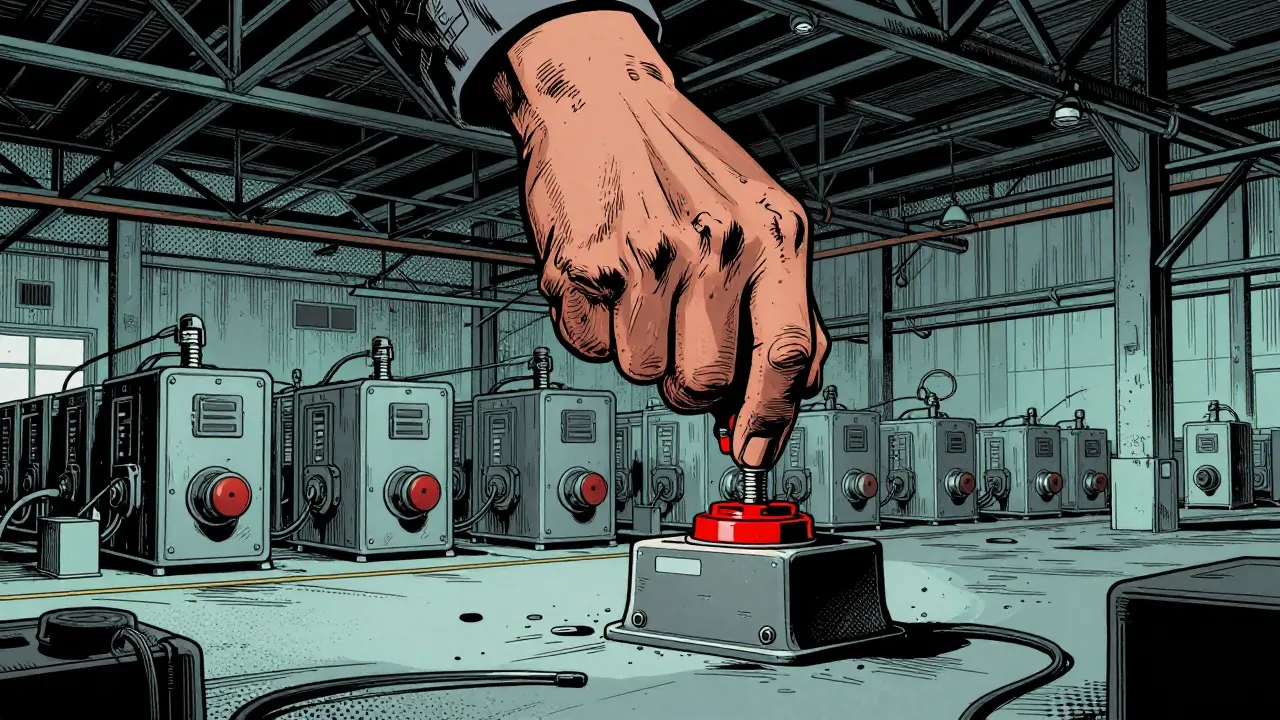
Imagine spending thousands of dollars on high-end ASIC miners only to have the government remotely flip a switch and kill your power. In Russia, this isn't a nightmare scenario-it's the law. As of 2026, the Russian government has moved from a gray area of "we'll ignore it for now" to a highly structured system of controlled legalization. If you want to mine in the Russian Federation, you aren't just fighting the network difficulty; you're navigating a complex web of state registries, seasonal bans, and priority power grids.
The core reality is that Russia now views mining crypto in Russia is a regulated economic activity that is legal provided the operator is registered and adheres to energy consumption limits. However, this legality comes with a massive catch: you are at the very bottom of the food chain when it comes to electricity.
Key Takeaways for Miners
- Registration is mandatory for anyone consuming more than 6,000 kWh per month.
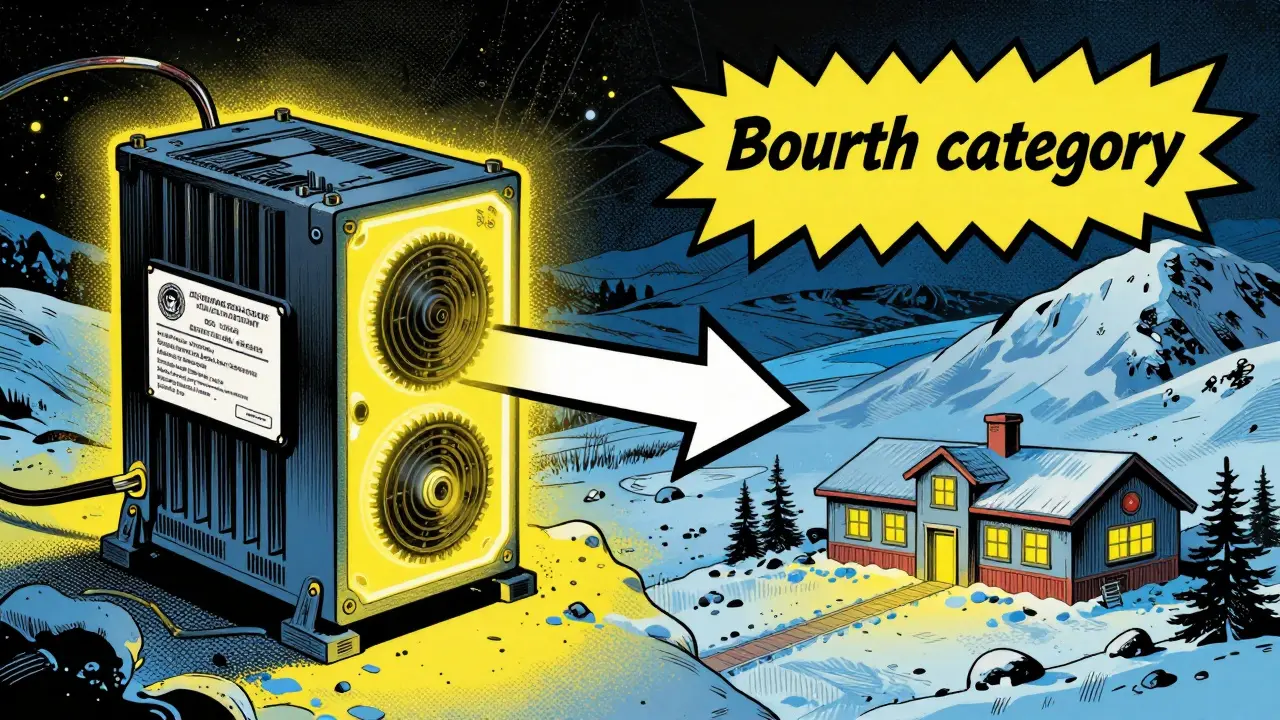
- Power Priority: Miners are "fourth category" consumers, meaning they are the first to be disconnected during energy shortages.
- Regional Bans: 10 regions have total bans until 2031; others have winter restrictions.
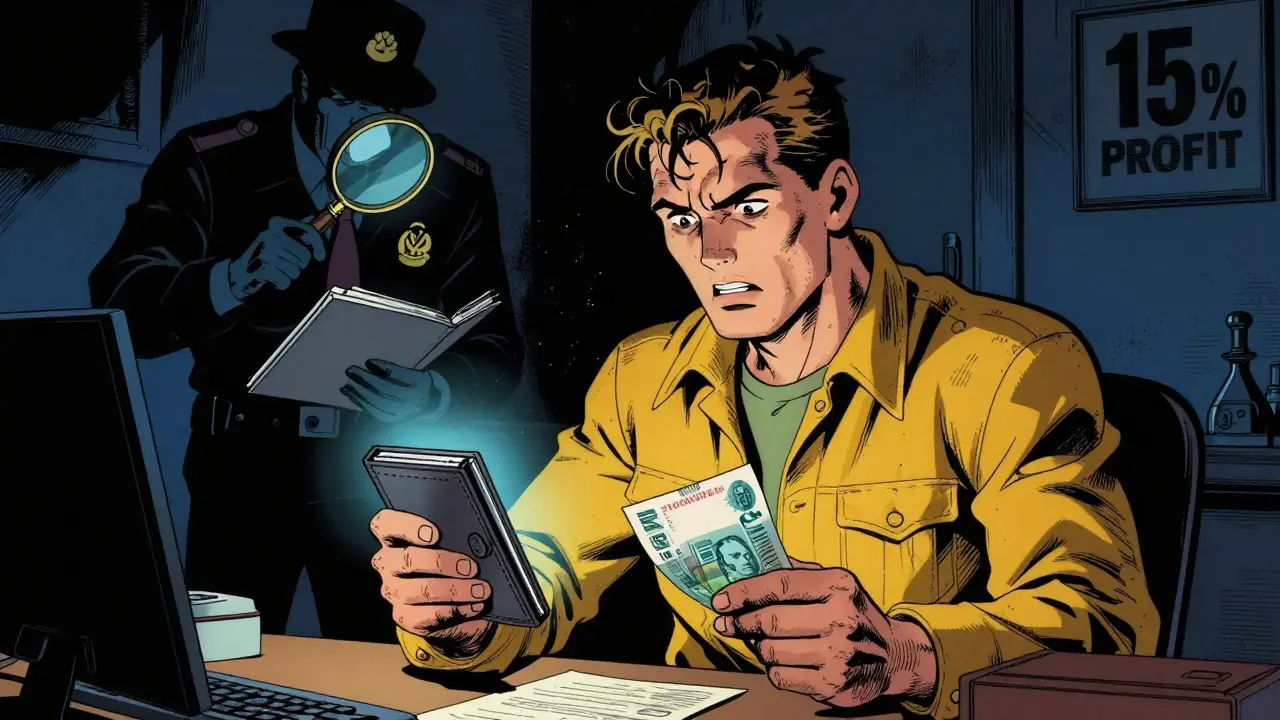
- Taxation: Profits from Bitcoin mining are taxed at 15%.
- Payment Ban: You can mine and trade crypto, but you cannot use it to buy a coffee or pay for services.
The Power Grid Hierarchy: Why You Might Get Cut Off
The most critical part of the new legal framework is the classification of electricity consumers. The Russian government has designated miners as "fourth category" users. In plain English, this means if a hospital, a factory, or a residential apartment block needs more power during a peak, the state can remotely disconnect your mining farm to keep the lights on elsewhere.
This isn't just a policy; it's a technical implementation. To make this work, the government uses a State Registry of Mining Equipment. Every piece of hardware imported into the country must be labeled and certified. This allows authorities to track exactly where the power is going and who to shut down first when the grid gets stressed. If you're running "shadow" operations without registration, you're not just risking a power cut-you're risking massive fines.
Regional Restrictions: Where You Can and Cannot Mine
You can't just set up a warehouse anywhere in Russia and start hashing. The government has implemented a two-tiered system of restrictions based on local energy deficits.
| Restriction Type | Affected Regions | Duration/Period | Status |
|---|---|---|---|
| Total Blanket Ban | Dagestan, Chechnya, North Ossetia, Donetsk, Lugansk, Zaporizhzhia, Kherson, and others | Until March 15, 2031 | Strictly Prohibited |
| Seasonal Restrictions | Irkutsk, Buryatia, Zabaikalsky | Nov 15 to March 15 annually | Limited/Banned in Winter |
| Standard Regulated | All other Russian regions | Ongoing | Legal with Registration |
The ban in the North Caucasus and newly annexed territories is particularly strict, reflecting a need to stabilize basic infrastructure before allowing high-energy industrial activities. In Siberia, the winter restrictions are a response to the brutal cold, where heating homes takes precedence over calculating hashes.
Taxes, Registration, and the Cost of Doing Business
If you are a small-scale hobbyist using less than 6,000 kWh of electricity per month, the government generally leaves you alone. You don't need to register. But the moment you scale up into a business, the Federal Tax Service wants a piece of the action.
Since November 2024, a 15% tax has been applied to profits from mining operations. This shift is part of a broader effort to move the industry from the "shadows" into the formal economy. However, the transition has been rocky. Even by mid-2025, reports from officials like Ivan Chebeskov suggested that only about 30% of miners were actually registered. To fix this, the government is cranking up the pressure. Fines for illegal mining, which once started around 200,000 rubles, are being pushed toward 2 million rubles (roughly $25,500) to scare unregistered operators into compliance.
The Legal Divide: Mining vs. Spending
It is vital to understand the distinction between producing cryptocurrency and using it. In Russia, the Ruble remains the only legal tender. This creates a strange paradox for miners.
You are legally allowed to mine Bitcoin, you can hold it in a wallet, and you can sell it on an exchange for rubles. But the moment you try to use that crypto to pay a supplier or a contractor for services, you've broken the law. Furthermore, if you engage in transactions exceeding 600,000 rubles, you are required to report them to the tax authorities. Failing to do so can lead to severe penalties, as the state is obsessed with maintaining the ruble's dominance in domestic trade.
Practical Advice for Operating in Russia
If you're considering investing in Russian mining infrastructure, you need to treat it as a high-risk, high-reward play. Most experts suggest limiting your exposure-perhaps allocating no more than 5% of a diversified portfolio to such operations due to the regulatory volatility.
Avoid the temptation to run "off-grid" or steal power. With the new labeling requirements for hardware and the ability for the state to monitor electricity spikes, getting caught is more likely than ever. If you're operating legally, ensure your documentation is perfect and your energy contracts explicitly state your "fourth category" status so you aren't surprised when the power cuts out in January.
Is crypto mining legal in Russia?
Yes, it is legal, but it is highly regulated. You must register with the national miners' registry if you consume more than 6,000 kWh per month and pay a 15% tax on profits. Additionally, you must operate in a region that does not have an active ban.
Which regions in Russia are banned from mining?
Total bans are in place until March 2031 in regions including Chechnya, Dagestan, North Ossetia, Ingushetia, Kabardino-Balkaria, Karachay-Cherkessia, and the Donetsk, Lugansk, Zaporizhzhia, and Kherson regions. Seasonal bans apply in Irkutsk, Buryatia, and Zabaikalsky from November to March.
What happens if I mine without registering?
Unregistered mining is considered illegal. You face significant fines, which the government is increasing from 200,000 rubles up to 2 million rubles. Your equipment may also be targeted for remote disconnection by power authorities.
Can I use my mined crypto to buy things in Russia?
No. While owning and mining cryptocurrency is legal, using it as a means of payment for goods or services is strictly prohibited. The Russian ruble is the only legal tender for domestic transactions.
How does the "fourth category" power status work?
It means you have the lowest priority on the electrical grid. During times of high demand or energy shortages, the state has the legal right to disconnect your power first to ensure that essential services like hospitals and residential homes remain powered.
Next Steps and Troubleshooting
For Small Hobbyists: Keep your monthly consumption under 6,000 kWh. This keeps you under the radar and exempt from the formal registration process.
For Industrial Operators: Prioritize regions outside of the North Caucasus and Siberia. Audit your hardware labels to ensure they match the state registry to avoid fines during inspections.
For Investors: If you are funding a farm in Russia, demand a legal audit of the power contract. If the contract doesn't mention the "fourth category" priority, the operator is likely lying about their legal status.

There are 14 Comments
John and Lauren Busch
Oh great, just a totally reasonable system where the government can just pull the plug whenever they feel like it. Totally makes sense.
Michelle Stanish
I think it is a good deal for the miners.
Luke George
It's obvious this is just a front for the state to track every single hash and identify whoever isn't paying their tribute. They aren't just monitoring power, they're building a database of every crypto holder to seize assets once the ruble completely collapses. Wake up and realize that the "fourth category" is just a fancy term for "we own your hardware now." If you think you're safe with a hobbyist setup, you're delusional because they can track the heat signatures and power spikes from the substation level. This is textbook digital authoritarianism and anyone moving money into that region is basically donating to the regime.
Sean Douglas
Absolute tragedy! Imagine the sheer agony of watching your investment vanish in a blink because some bureaucrat decided the city needed more streetlights! It's a visceral nightmare, a symphony of electronic despair! I can practically feel the heat of the ASICs screaming into the void before the cold, hard silence of a dead circuit takes over! Pure, unadulterated chaos!
Andrew Southgate
If you're looking at the technical side of this, it's actually a very efficient way to manage a fragile grid, even if it feels harsh to the operator. From a professional standpoint, I'd suggest anyone venturing into this to look into dedicated power contracts with local municipalities rather than just relying on the general grid, as some regions might offer slightly better terms if you provide a community benefit. You should also be aware that the 6,000 kWh limit is a hard line and the monitoring software they use is quite sophisticated, so trying to split your operation across multiple residential meters is a recipe for a massive fine. Always keep your logs transparent and your equipment certified to avoid the risk of sudden seizures.
Adedamola Oyebo
Very detailed info!!! Check the tax laws carefully!!!
Michael Harms
Keep your head up everyone! Even with these rules, it's still a huge opportunity for those who play it smart and follow the laws!
Vicky Duffala
This really makes you think about the intersection of decentralized tech and centralized power. Like, the whole point of Bitcoin was to escape the thumb of the state, but here it is being used as a tool for state revenue and energy control. It's a fascinating paradox of our modern era where the tool of freedom becomes a taxable utility. :)
Kim Smith
it's kinda wild how they just draw lines on a map and say you cant mine here but you can there... like the earth doesnt care about borders but the power lines definitely do lol. i wonder if people just move their rigs across the border in the middle of the night to avoid the winter bans in siberia, tho that sounds like a lot of work for a few btc. honestly its just the way the world turns now where everything has to be in a registry or its practically a crime.
Kaitlyn Wu
We need to be clear that operating outside the law isn't "brave," it's just risky and puts other legitimate businesses in a bad light.
nikki krinkin
Just staying out of the drama and watching how this plays out from a distance.
Adam Mann
I truly believe that if people approach this with an open mind and a willingness to learn the local culture and laws, they can find a way to make it work for everyone involved because at the end of the day we are all just trying to build a better future with new technology and helping each other navigate these tricky waters is the best way to ensure success for the whole community!
Anna Grealis
the govt prob just want the money anyway. its all a scam.
Mike Kempenich
Exactly, just follow the rules and you'll be fine. No need to make it a bigger deal than it is.
Write a comment
Your email address will not be published. Required fields are marked *