
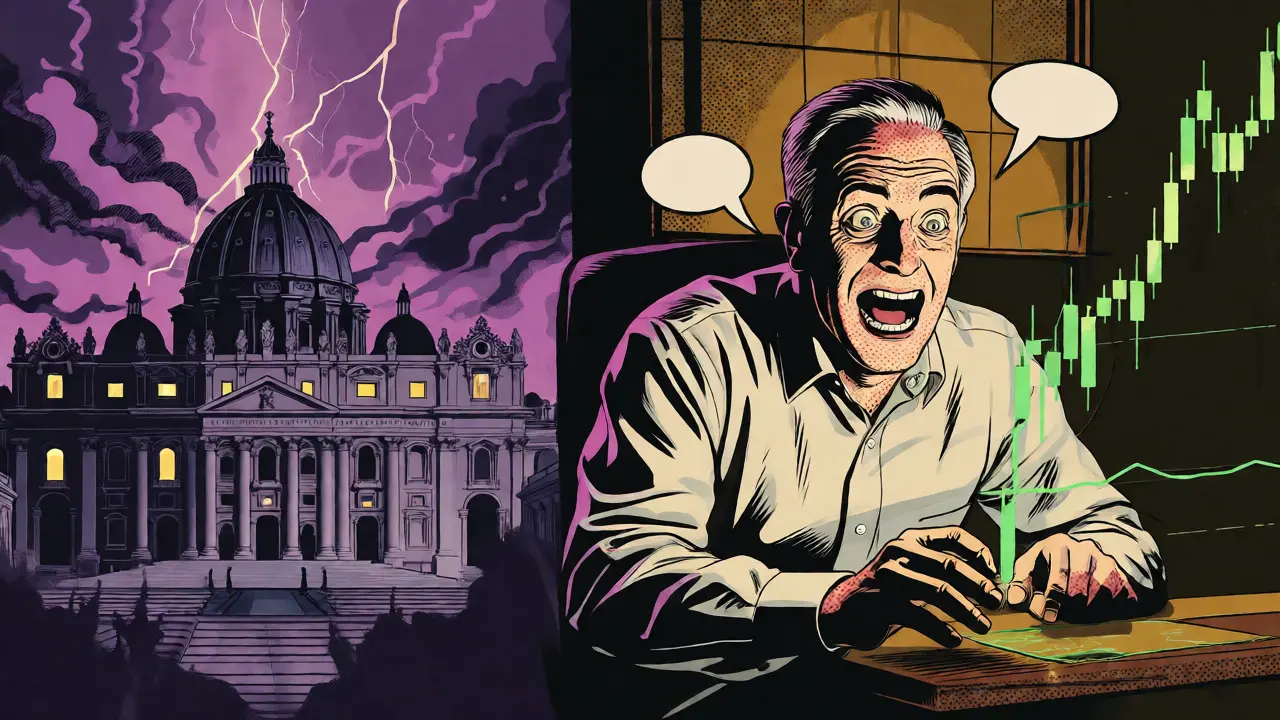
Imagine waking up to news that the Pope has passed away, and within hours, a cryptocurrency named after him surges by 770%. That’s not a scene from a satirical movie; it happened in April 2025. The Pope meme (POPE) coin emerged as one of the most chaotic examples of how news cycles drive crypto speculation. If you’re wondering what this token actually is, why it spiked, and whether it holds any real value today, you’re in the right place. This isn’t just about religion meeting blockchain; it’s a case study in market psychology, liquidity traps, and the wild nature of Solana meme coins.
The Origin Story: Faith Meets FOMO
The story begins on April 21, 2025. Reports circulated regarding the death of Pope Francis, sparking intense global speculation about his successor. In the crypto world, attention equals money. Traders and developers saw an opportunity to capitalize on the viral moment. Almost immediately, tokens branded with "POPE" or referencing specific cardinals like Pietro Parolin launched on decentralized exchanges.
The primary Pope meme coin touted itself as being "in support of the Pope and the Catholic Church." Promotional materials claimed that 35% of its total supply was reserved for the Church, branding it as "a meme coin so holy, it blesses every transaction." But here’s the catch: there was no official endorsement from the Vatican. The charitable narrative was largely self-asserted marketing. The token operated on the Solana blockchain, leveraging the network’s high speed and low fees to facilitate rapid trading during the hype cycle.
Tokenomics: What Are You Actually Buying?
Understanding the numbers helps clarify why these coins behave the way they do. The main POPE token had a fixed maximum supply of 1,000,000,000 tokens. As of mid-2026, data aggregators like CoinMarketCap reported a circulating supply of around 200,000,000 tokens. This means only 20% of the total supply was actively trading, leaving a massive portion locked or held by early insiders.
Why does this matter? Low circulation combined with thin liquidity creates extreme volatility. When a large holder sells even a small percentage of their stack, the price can crash instantly. During the initial surge in April 2025, the token jumped approximately 770% in 24 hours, reaching a market capitalization of roughly $260,930. For context, established giants like Dogecoin operate in the billions. POPE remained a micro-cap asset, meaning it was highly susceptible to manipulation and sudden dumps.
| Token Variant | Blockchain | Total Supply | Circulating Supply | Approx. Market Cap | Liquidity Status |
|---|---|---|---|---|---|
| Main Pope Meme (POPE) | Solana | 1,000,000,000 | 200,000,000 | <$1M | Thin / Volatile |
| Pietro Parolin (POPE) | Solana | 997,090,000 | 997,090,000 | ~$3,300 | Very Low |
| Holy Pepe (POPE) | Solana | N/A | N/A | $0 | Dormant |
| MemePontiff (POPE) | Solana | N/A | N/A | Micro-cap | Low |
The Fragmentation Problem: Which POPE Is Real?
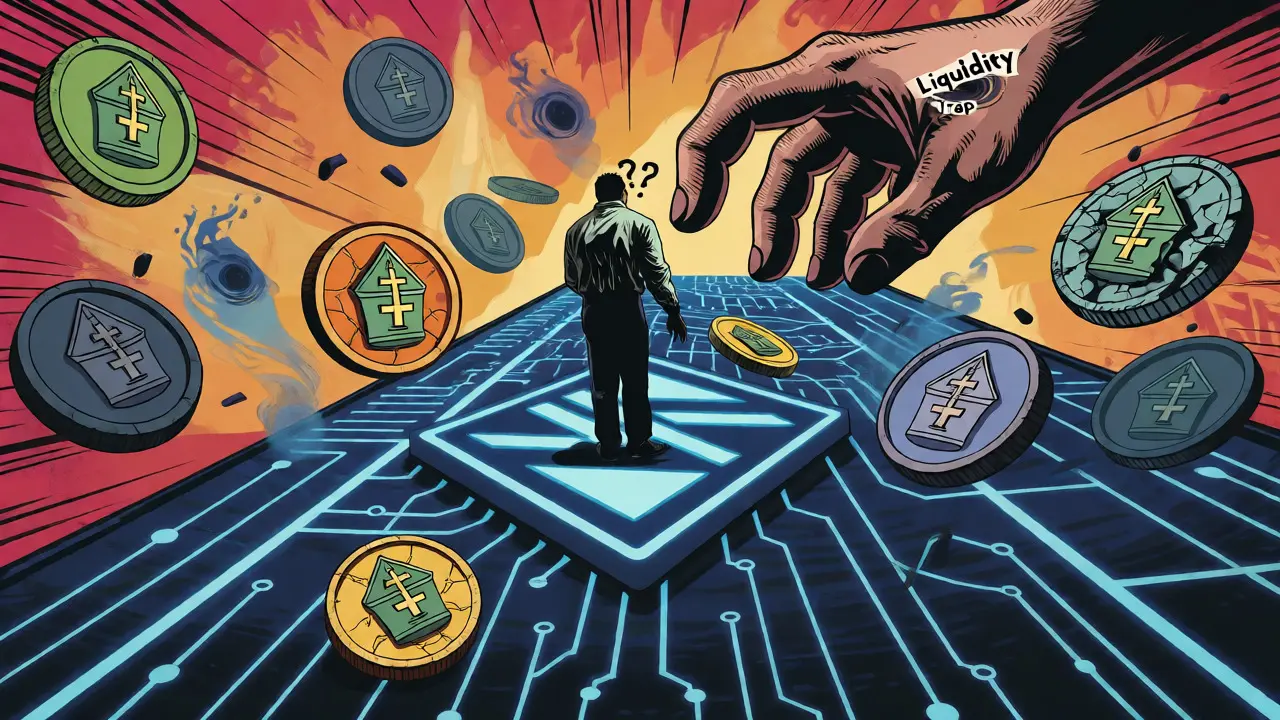
If you search for "POPE" on a tracker, you’ll hit a wall of confusion. There isn’t just one Pope coin. The name "POPE" became a generic ticker for various projects trying to ride the wave. One variant, PopPepe, fused the Popcat and Pepe memes rather than focusing on the Vatican. Another, Holy Pepe, tracked by Solana Compass, showed zero market cap and liquidity by August 2026, effectively becoming a dead shell.
This fragmentation poses a significant risk for investors. Without a unified brand or clear verification, you might buy a token thinking it’s the "main" one, only to realize later it’s a lesser-known clone with no community backing. Major data providers like CoinMarketCap have flagged many of these assets as "not yet verified," urging traders to do their own research. Always check the contract address before swapping.
Technical Reality: Standard SPL Token
Don’t expect groundbreaking technology under the hood. Most POPE variants are standard SPL tokens on Solana. They don’t offer unique consensus mechanisms, advanced DeFi features, or governance rights linked to actual church institutions. They are purely speculative instruments designed for trading.
Trading typically happens on decentralized exchanges like Raydium or FluxBeam. Some centralized exchanges, such as AscendEX, listed a version of POPE, allowing users to trade against USDT. However, the lack of deep order books on DEXs means slippage is a constant threat. If you try to sell a large amount of POPE into a pool with little liquidity, you could end up receiving significantly less SOL than expected.
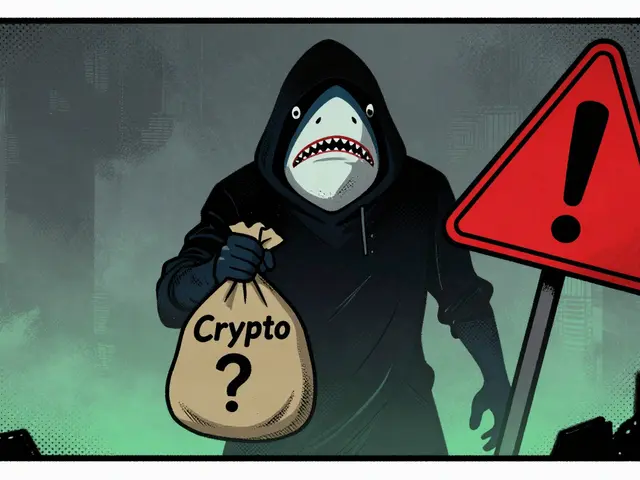
Risks and Red Flags
The history of POPE serves as a cautionary tale. After the initial 770% spike, the price crashed back down, leaving many late buyers with heavy losses. This boom-and-bust pattern is typical for meme coins tied to transient news events. Once the media cycle moves on, interest evaporates.
- No Utility: These coins don’t solve technical problems or provide services.
- Opaque Distribution: Claims about reserving tokens for the Church lack verifiable proof of transfer or receipt by the Vatican.
- Regulatory Gray Area: With no formal audits or whitepapers detailing security, these tokens fall into the high-risk category for investor protection.
- Community Size: Holder counts remain low, often in the hundreds or low thousands, indicating a niche rather than a mass-market phenomenon.
How to Buy and Store POPE Coins
If you still want to speculate on POPE despite the risks, here’s the practical path. You need a Solana-compatible wallet like Phantom. Fund it with SOL for gas fees. Then, connect your wallet to Raydium or another DEX supporting the specific POPE contract you’ve identified. Swap your SOL for POPE. Remember to keep some SOL left over for future transactions.
For those preferring centralized exchanges, check if platforms like AscendEX still list the specific POPE variant you’re interested in. Centralized exchanges simplify the process but may delist low-volume tokens without much notice, potentially locking your funds temporarily.
Current Status: Is It Dead or Sleeping?
As of September 2026, the excitement around Pope-themed memecoins has largely faded. While some variants still exist on-chain, their market caps have dwindled. The Pietro Parolin-themed token, for instance, hovered around a $3,300 market cap in June 2026. This suggests that while the tokens haven’t disappeared entirely, they’ve lost the momentum needed for sustained growth. Any future resurgence would likely require a new viral catalyst-perhaps a major announcement from the Vatican or a fresh meme trend-rather than organic adoption.
Is the Pope meme coin officially endorsed by the Vatican?
No. Despite marketing claims that 35% of the supply was reserved for the Church, there is no public evidence of official endorsement or receipt of tokens by the Vatican. The connection is purely thematic and speculative.
Which blockchain does the main POPE coin use?
The primary Pope meme coin operates on the Solana blockchain. It is an SPL token, which is the standard token format for Solana, similar to ERC-20 on Ethereum.
Why did POPE coin surge in April 2025?
The surge was driven by speculation surrounding the death of Pope Francis and the subsequent debate over papal succession. Traders bought the token to capitalize on the viral news cycle, leading to a 770% price jump in 24 hours.
Are there multiple cryptocurrencies with the ticker POPE?
Yes. Several different tokens share the POPE ticker, including variants themed around Cardinal Pietro Parolin, Popcat/Pepe hybrids, and generic "Pope" brands. Always verify the contract address to ensure you're buying the correct asset.
What are the main risks of investing in POPE?
Key risks include extreme volatility, low liquidity (making it hard to sell without crashing the price), lack of utility, and the potential for pump-and-dump schemes due to concentrated ownership among early holders.
There are 1 Comments
sai charan
The entire premise of this token is a masterclass in market manipulation disguised as community hype. You have a fixed supply where only 20% is circulating which means the remaining 80% are essentially ticking time bombs held by insiders who bought at fractions of a cent. When you look at the liquidity pools on Raydium they are so thin that a single whale exit could wipe out the price floor instantly and leave retail buyers holding bags that are effectively worthless. The claim about reserving tokens for the Church is laughable because there is no verifiable on-chain transaction showing funds moving to a Vatican wallet address which suggests it was just marketing fluff to attract moral investors. Most people buying this were chasing green candles without understanding basic tokenomics or the difference between a meme coin and an actual utility project. It is pure gambling with extra steps and higher fees than traditional casinos. If you did not sell during the initial 770% spike you likely got rekt anyway because the momentum evaporated as soon as the news cycle moved on to the next viral event. This is why Solana meme coins often feel like a casino rather than a financial instrument. The lack of audits and clear governance structures makes it impossible to trust the long-term viability of any variant under the POPE ticker. Everyone knows these things die but everyone still buys them hoping to be early enough to dump on someone else. It is a zero-sum game where the house always wins and the house is the dev team. Do not let the holy branding fool you into thinking there is substance behind the volatility. The fragmentation problem alone should have scared off every serious investor from day one. Buying a token without checking the contract address is amateur hour and leads to exactly this kind of confusion. The market cap dropping to micro-cap levels confirms what we all knew: it had no fundamental value to begin with.
Write a comment
Your email address will not be published. Required fields are marked *