
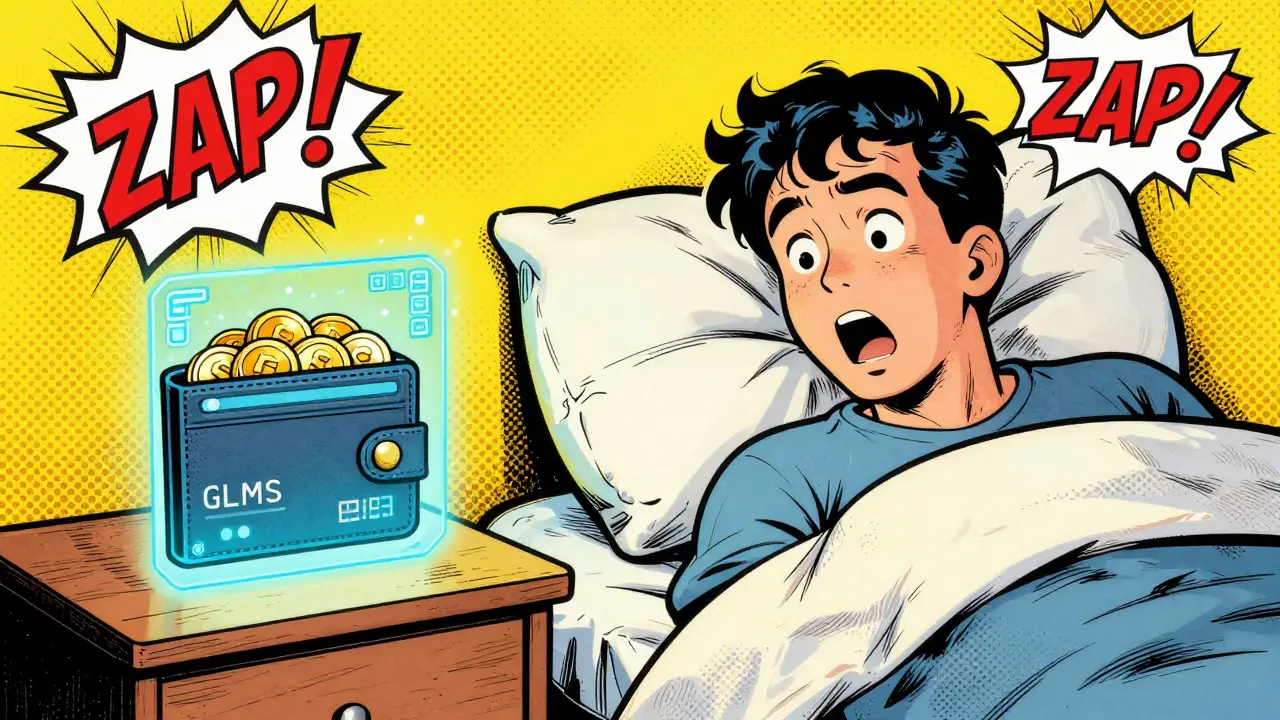
Imagine waking up to find a handful of tokens in your wallet just for being an early adopter. That's the allure of the Glimpse IDO and its accompanying airdrop. While many projects promise the moon, the Glimpse (GLMS) ecosystem is attempting to bridge the gap between early-stage investment and community reward. If you've seen the GLMS ticker popping up on your social feeds, you're likely wondering if this is a genuine opportunity or just another flash in the pan. Let's break down how this launch works and how you can actually get your hands on the tokens.
First, let's get the basics straight. Glimpse is a decentralized ecosystem designed to streamline the discovery and funding of early-stage blockchain projects. The native utility token, known as GLMS, serves as the fuel for this environment, granting holders voting rights and reduced fees within the platform. When a project launches via an Initial DEX Offering (IDO), it's essentially a crowdsourced fundraise where the community gets first dibs on tokens before they hit the major exchanges.
The Glimpse IDO Blueprint
Participating in an IDO isn't as simple as clicking a button. Most launchpads use a tiered system to prevent "whales" from buying up all the supply. For Glimpse, the process typically involves a combination of staking and whitelist applications. If you want to join the GLMS sale, you'll likely need to interact with a supported Launchpad is a platform that allows new crypto projects to raise capital by selling tokens to a curated group of investors.
The IDO usually happens in stages. You start with a KYC (Know Your Customer) process to verify your identity-a move that has become standard to avoid regulatory headaches. Once verified, you enter a lottery or a guaranteed allocation phase based on how many GLMS or partner tokens you hold. The goal here is to acquire tokens at the "seed" or "private" price, which is significantly lower than the expected listing price on decentralized exchanges like Uniswap is a leading decentralized exchange (DEX) running on the Ethereum blockchain.
How the GLMS Airdrop Works
Airdrops are essentially free marketing. By giving away GLMS tokens to a wide group of people, Glimpse increases its user base and creates instant liquidity. But "free" is a relative term in crypto. Most airdrops require you to perform certain tasks to prove you aren't a bot. These often include following their social media, joining a Discord server, or bridging funds to their network.
For the GLMS airdrop, the distribution is usually split into two categories: retroactive and promotional. Retroactive airdrops reward people who used the Glimpse beta or provided liquidity to their early pools. Promotional airdrops are more like a contest-complete the quest, refer a friend, and earn a slice of the token pool. If you're hunting for these, keep a close eye on their official announcements to avoid the rampant scams that plague new token launches.
| Feature | IDO Participation | Airdrop Hunting |
|---|---|---|
| Cost | Direct investment required | Mostly free (gas fees only) |
| Risk | Medium to High (Capital loss) | Low (Time investment) |
| Token Amount | Fixed allocation based on buy-in | Variable based on activity |
| Requirement | KYC and Staking | Social tasks and Wallet activity |
Step-by-Step Guide to Claiming GLMS
If you've been told you're eligible for the GLMS airdrop, don't just blindly connect your wallet to any site. Follow these safety-first steps:
- Verify the Source: Only use links from the official Glimpse Twitter or website. Never trust a "support agent" in your DMs.
- Prepare Your Wallet: Ensure you're using a non-custodial wallet like MetaMask is a software cryptocurrency wallet used to interact with the Ethereum blockchain and other EVM-compatible networks. You'll need a small amount of the native network token (like ETH or BNB) to pay for the transaction gas fees.
- Connect and Authenticate: Connect your wallet to the claiming portal. If the site asks for your seed phrase, stop immediately. No legitimate airdrop will ever ask for your private keys.
- Claim and Secure: Once you hit claim, the GLMS tokens will move to your wallet. Immediately move them to a cold storage device if you plan to hold for the long term.
Common Pitfalls and Red Flags
The excitement of a new launch often blinds people to the risks. One of the biggest dangers in the GLMS ecosystem is the "fake claim" site. These sites look identical to the real thing but contain a malicious script that drains your wallet the moment you sign a transaction. If the URL looks slightly off-like "glimpse-airdrop-claim.net" instead of the official domain-it's a trap.
Another issue is "token dumping." Often, airdrop recipients sell their tokens the second they hit the market, causing a massive price crash. This is why Glimpse often implements a Vesting Schedule is a process where tokens are released gradually over time to prevent market flooding. If you only get 10% of your tokens today and the rest over six months, don't panic; it's a stability mechanism designed to protect the token's value.
Strategic Outlook for GLMS Holders
Once you have your GLMS, what do you do? You have three main paths: flipping, staking, or governing. Flippers look for the initial pump and sell quickly. This is high-risk and depends on timing. Stakers lock their tokens in a Smart Contract is a self-executing contract with the terms of the agreement directly written into lines of code. to earn a percentage return (APY). This is great for those who believe in the long-term vision of Glimpse.
Governance is where the real power lies. Since Glimpse aims to be a decentralized hub, GLMS holders can vote on which projects get funded next. This essentially makes you a venture capitalist in the blockchain space, allowing you to shape the future of the ecosystem.
What is the GLMS token exactly?
GLMS is the native utility token for the Glimpse ecosystem. It is used for paying fees, staking for rewards, and participating in governance votes to decide which new projects the platform should support.
How do I qualify for the Glimpse airdrop?
Qualification usually depends on specific criteria set by the team. This may include being an early beta tester, holding a certain amount of a partner token, or completing social media tasks during the promotional phase.
Is participating in the IDO guaranteed to be profitable?
No. Like any investment, IDOs carry significant risk. While the goal is to buy low and sell high, the project could fail or the market could crash, leading to a loss of your initial investment.
Where can I trade GLMS tokens?
Initially, GLMS tokens are typically available on decentralized exchanges (DEXs) like Uniswap or PancakeSwap. Over time, the project may seek listings on centralized exchanges (CEXs) for better liquidity.
How can I tell if a Glimpse airdrop link is a scam?
If a site asks for your seed phrase, private key, or asks you to send tokens first to "activate" your wallet, it is a scam. Always verify links through the official Glimpse Twitter account and official website.
Next Steps and Troubleshooting
If you're new to this, start by setting up a dedicated wallet for your airdrop activities. Never use your primary savings wallet for interacting with new IDO sites. If you find that your tokens aren't appearing after claiming, first check the blockchain explorer (like Etherscan) to see if the transaction was successful. If the transaction failed due to "out of gas," you'll need to send a bit more of the network's native currency to your wallet and try again.
For those looking to maximize their gains, consider diversifying. Don't put all your capital into one IDO. Split your investment across multiple projects and keep a close eye on the vesting schedules so you know exactly when your next batch of tokens will be unlocked.
There are 14 Comments
Andrew Southgate
This is a really solid breakdown of the GLMS launch process, especially for people who might be intimidated by the technical side of IDOs. I've always found that the biggest hurdle for newcomers is the fear of the unknown, but having a clear step-by-step guide on how to handle the claiming process and the security precautions really helps lower that barrier to entry. One thing to keep in mind is that while the airdrop is great, the real long-term value usually comes from participating in the governance side of things, because being able to vote on which projects get funded basically gives you a front-row seat to the next big innovation in the space, and it's that kind of active participation that separates the casual holders from the actual ecosystem contributors. Definitely recommend setting up that separate burner wallet like the post mentioned because it's just not worth risking your main stash on a new contract interaction.
Alex Long
just another pump and dump scheme lol
Kim Smith
it is kinda wild how we just trust these smart contracs with our whole life savings these days and the way the whole ecosystem is built on this thin layer of faith in code is just a fascinatin reflection of our modren society where we trade tangiable assets for digital promises that might or might not exist in a year, honestly the idea of governance tokens is just a weird way to simulate a democracy in a vacuum where whales still hold all the power anyway but hey that's just how the crypto world spins I guess.
Ian Chait
Absolute rubbish. This is just another front for the globalists to track every single tx on a public ledger. The so-called "decentralization" is a total lie and the seed phrase scamming is just a distraction from the real manipulation happening at the top level of the whale pools. I've seen this pattern before in a dozen other rugs and it's always the same story with the fake utility. Don't fall for the hype, the whole thing is rigged from the start by the cabal.
Mark Pfeifer
The distinction between retroactive and promotional airdrops is an important point that often gets glossed over in these guides. It's fair that early beta testers get a larger cut since they took the most risk by using an unproven product.
Sean Douglas
The absolute audacity of these projects to implement a vesting schedule is practically a theatrical performance in greed! Imagine the sheer agony of watching your tokens sit in a digital purgatory while the market fluctuates wildly. It's a psychological torture chamber designed to keep us tethered to a screen, praying for a moonshot that may never arrive while the developers likely laugh all the way to their private islands!
Ankit Sindhu
For anyone struggling with the KYC part, just take it slow and make sure your documents are clear. It's a bit of a hassle, but it actually adds a layer of legitimacy to the project which we need more of in this industry.
Nishant Goyal
Good guide. Helpful for beginners.
Gaurav Undirwade
It is profoundly disappointing that the masses are so easily swayed by the promise of "free" tokens. One must realize that true wealth is not acquired through airdrops but through discipline and a rigorous understanding of fiscal responsibility. The desperation evident in these comment threads is a testament to the moral decay of modern investment strategies.
nikki krinkin
I appreciate the safety tips about the fake claim sites. It's scary how realistic they look sometimes.
Vicky Duffala
Let's goooo! Time to get those bags filled! 🚀 The potential for GLMS to change how we fund early projects is actually huge if the community stays strong. Just remember to stay safe and not get blinded by the hype! ✨
Chintu Parikh
I fully concur with the sentiments expressed regarding the importance of diversification. It is indeed a prudent strategy to allocate capital across various ventures rather than concentrating all resources into a single asset, thereby mitigating the inherent risks associated with volatile markets.
Mike Kempenich
The airdrop strategy seems pretty standard for this kind of launch. I think if you've already done the tasks, just be patient with the distribution dates.
nathan jones
Keeping it simple. Use a burner wallet and don't overthink it.
Write a comment
Your email address will not be published. Required fields are marked *