
Have you been hearing whispers about the IDTT Identity a decentralized identity project launching an Initial DEX Offering (IDO) with a potential community airdrop? If so, you are not alone. The intersection of decentralized identity and token launches is one of the hottest sectors in the current crypto market. However, finding concrete, verified details can feel like chasing a ghost. This guide cuts through the noise to explain what we know, what you should watch for, and how to prepare yourself if this launch materializes.
What Is the IDTT Identity Project?
To understand the potential value of an airdrop, you first need to understand the product. Decentralized Identity (DID) a system that allows users to control their digital identity without relying on centralized authorities is becoming critical as privacy concerns grow. Projects in this space aim to give users ownership of their data, credentials, and reputation across different platforms.
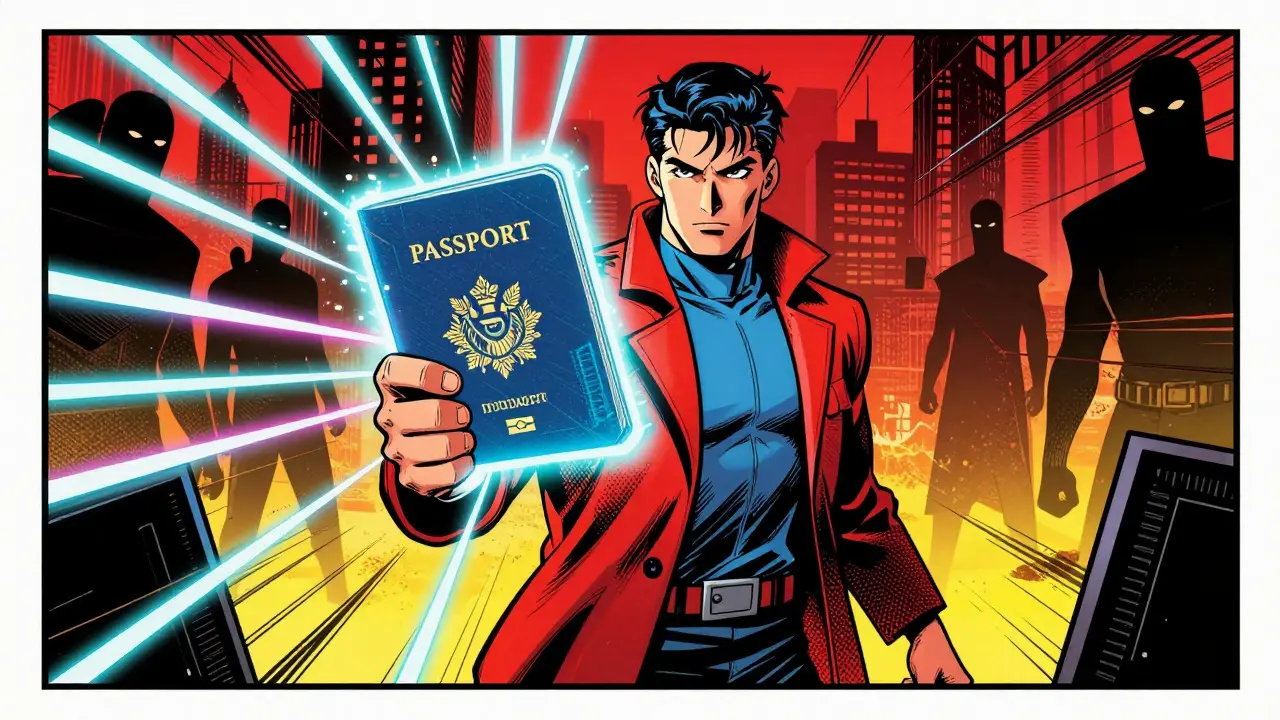
While specific public documentation for "IDTT" is currently scarce, it likely operates within the broader ecosystem of identity-focused protocols. These projects often build infrastructure that enables secure logins, verifiable credentials, and self-sovereign identity solutions. Think of it as a digital passport that you own, not a company. If IDTT is following industry standards, its IDO (Initial DEX Offering) will be the moment its native token becomes tradable on decentralized exchanges, allowing early supporters to participate.
The Current State of IDT T Identity Information
Here is the hard truth: as of mid-2026, there is no widely recognized, major mainstream announcement specifically detailing an "IDTT Identity" IDO or airdrop mechanics in the top-tier crypto news aggregators. This lack of visibility usually points to one of three scenarios:
- Early Stage Development: The project might still be in private testing phases, where information is shared only with whitelisted testers.
- Naming Confusion: You might be looking at a project with a similar name, such as idOS a prominent decentralized identity protocol that has conducted airdrops for Fractal ID holders, which recently completed significant distribution events.
- Niche Community Focus: The project may be operating entirely within a specific Discord or Telegram community before going public.
This ambiguity is dangerous. In the world of crypto, scams thrive on confusion. Before you spend hours trying to qualify for an airdrop, you must verify the source. Always check official channels like Twitter (X), Discord, and the project’s official website. Look for verified badges and cross-reference links from trusted aggregators like CoinMarketCap or CoinGecko if they exist.
How Modern IDOs and Airdrops Work in 2026
Even if IDTT is a new entrant, it will likely follow the sophisticated patterns established by successful launches in 2025 and 2026. The days of simple "follow and retweet" airdrops are largely over. Today’s projects use hybrid strategies to ensure they reward genuine users rather than bots.
1. On-Chain Activity Requirements
Most serious identity projects require you to interact with their testnet or mainnet before the token launch. For an identity project, this might mean:
- Creating a wallet address linked to the protocol.
- Issuing or verifying a credential on their platform.
- Storing data on their associated storage network.
2. Snapshot Timing
Airdrops are based on a "snapshot"-a record of who holds tokens or interacts with the protocol at a specific block height. Projects like idOS announced their snapshots well in advance (e.g., Q2 2025). For IDTT, keep an eye on announcements regarding "Snapshot Dates." Missing this window means missing the airdrop.
3. Token Distribution Mechanics
An IDO typically involves a fair launch mechanism where participants swap a base currency (like ETH or SOL) for the new token during a limited window. Airdrops are often distributed separately to those who met earlier criteria. Understanding the difference between the IDO participation (which costs money) and the Airdrop (which is free but requires past activity) is crucial.
Red Flags: How to Spot a Scam
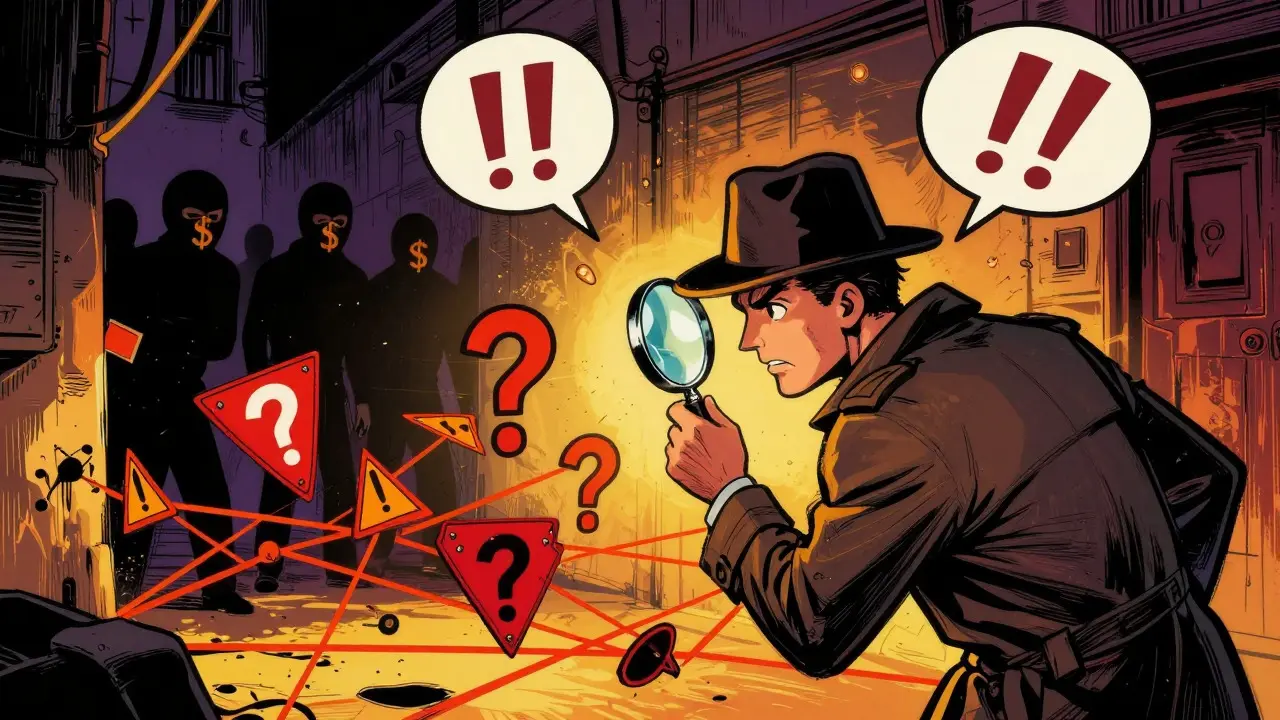
Because "IDTT" does not have massive brand recognition yet, you are at higher risk of encountering phishing sites. Here is your checklist for safety:
| Check Point | What to Look For | Warning Sign |
|---|---|---|
| Website URL | Exact spelling, HTTPS, valid SSL certificate | Slight misspellings (e.g., idtt-identity.com vs idtt.io) |
| Smart Contract Audit | Reports from firms like CertiK, Hacken, or OpenZeppelin | No audit mentioned or "self-audited" claims |
| Team Transparency | LinkedIn profiles, doxxed founders, clear roles | Anonymous team with no history |
| Community Engagement | Active Discord/Telegram with real discussions | Bots spamming links, muted chat rooms |
If a site asks you to connect your wallet to "claim" an airdrop before any official announcement, close the tab immediately. Legitimate airdrops rarely require wallet connections until the claim phase, which is always announced via official social media.
Similar Projects to Watch: Lessons from idOS and Others
To get a sense of what an IDTT-style launch might look like, look at recent successes in the identity sector. idOS a decentralized identity solution that rewarded Fractal ID holders provides a perfect blueprint. They didn’t just drop tokens randomly; they targeted existing users of their ecosystem. This suggests that if you are interested in IDTT, you should start using the platform now, even if it’s free or in beta.
Another example is Berachain a blockchain project that distributed millions in tokens to liquidity providers and governance participants. Their approach showed that rewarding "genuine contributors"-people who provided liquidity or voted in governance-is more valuable than rewarding random wallets. If IDTT follows this trend, focus on quality interactions: provide feedback, report bugs, and engage meaningfully in their forums.
Step-by-Step Preparation Guide
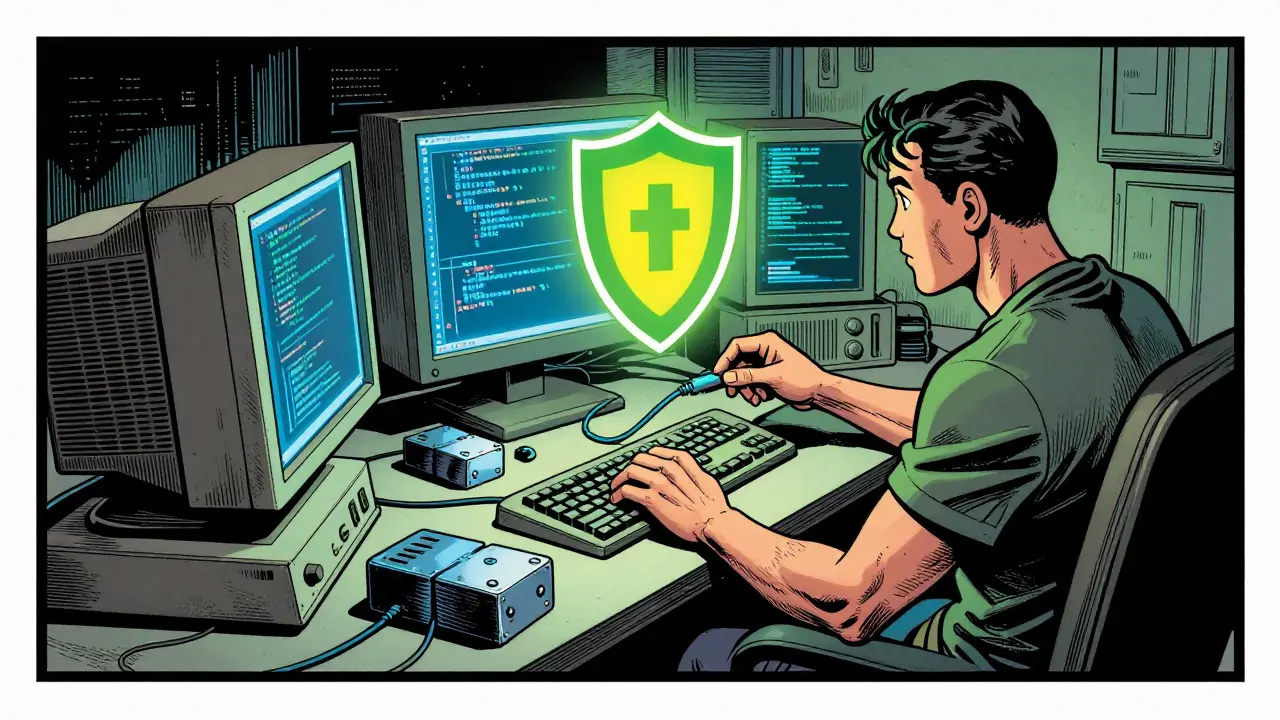
You don’t need to wait for the official IDTT announcement to get ready. Here is how to position yourself for success:
- Set Up Dedicated Wallets: Use a fresh hardware wallet (like Ledger or Trezor) or a secure software wallet (like MetaMask) specifically for interacting with new projects. Never use your main holding wallet for testnets or unverified dApps.
- Join Official Communities: Find the official Discord and Telegram. Turn on notifications. Announcements about snapshots and IDO dates happen here first.
- Monitor Testnets: If IDTT has a testnet, sign up for it. Perform basic actions: create an identity, verify a document, or store a hash. Record these transactions.
- Track Social Signals: Follow the core developers on X (Twitter). Look for threads discussing roadmap updates. Pay attention to mentions of "tokenomics," "vesting schedules," and "liquidity lockups."
- Prepare Liquidity: If you plan to participate in the IDO, ensure you have the required base currency (ETH, SOL, BNB, etc.) in your wallet a few days before the launch to account for gas fees and network congestion.
Understanding Tokenomics and Vesting
When the IDTT whitepaper or tokenomics report is released, pay close attention to the vesting schedule. Vesting determines when early investors and the team can sell their tokens. A common structure in 2026 includes:
- Cliff Period: A period (e.g., 6 months) where no tokens can be sold.
- Linear Vesting: Tokens unlock gradually over time (e.g., 1% per month for 2 years).
Longer vesting periods generally indicate confidence from the team and reduce immediate selling pressure. Short cliffs with large unlocks can lead to price dumps. Use tools like TokenUnlocks.app to visualize these schedules once the contract address is public.
Frequently Asked Questions
Is the IDTT Identity airdrop confirmed?
As of August 2026, there is no widely verified public confirmation of a specific "IDTT Identity" airdrop. While the project exists in niche circles, major announcements are pending. Always verify through official channels to avoid scams.
How do I qualify for the IDTT IDO?
Qualification typically involves joining the whitelist, which may require completing tasks in their Discord, holding certain NFTs, or having prior on-chain activity with related identity protocols. Check their official website for the current whitelist application process.
What is the difference between an IDO and an Airdrop?
An IDO (Initial DEX Offering) is a fundraising event where you buy tokens directly from the project at launch. An airdrop is a free distribution of tokens to eligible users, often as a reward for past engagement or to bootstrap community growth.
Are there risks involved in participating?
Yes. Risks include smart contract vulnerabilities, rug pulls (if the team disappears), high volatility after listing, and phishing scams. Always do your own research (DYOR) and never invest more than you can afford to lose.
Which wallets support IDTT tokens?
This depends on the blockchain IDTT launches on. Most identity projects use Ethereum-compatible chains (ERC-20) or Solana. Standard wallets like MetaMask, Phantom, or Trust Wallet will likely support the token once the contract address is published.

There are 25 Comments
Carl Michaud
Let's be real here, this whole 'decentralized identity' narrative is just a sophisticated rug pull waiting to happen. The lack of mainstream recognition isn't a feature, it's a bug in their marketing strategy that screams 'scam'. Most of these projects are just vaporware designed to siphon liquidity from retail investors who don't understand tokenomics. I've seen this pattern before with those so-called 'identity protocols' that vanish after the IDO. The smart money stays away until the team is doxxed and audited by three different firms, which clearly hasn't happened here. It's all about controlling the narrative while they prep the exit liquidity.
Alex Di Mango
I think we should give them a chance since the decentralized identity space is genuinely evolving. It’s not always about scams, sometimes it’s just early-stage tech that needs time to mature. If you look at how idOS handled their rollout, there was a lot of initial skepticism too, but they delivered value. Maybe IDTT is trying to build a niche community first before going public. It’s worth keeping an eye on their Discord activity to see if real devs are engaging or if it’s just bots. Staying open-minded helps us spot the gems amidst the noise.
Ed Mitchell
The establishment wants you to believe in self-sovereign identity because they can no longer track your digital footprint effectively. This is part of a larger agenda to fragment the internet into walled gardens where corporations sell your data back to you as a premium service. Don’t let the jargon fool you; 'verifiable credentials' is just code for 'we own your soul now'. I’ve been tracking these shadowy entities for years, and they always have ties to venture capital firms that lobby against privacy laws. Wake up sheeple, your wallet is next.
Alex Di Mango
That sounds like a bit of a stretch, Ed. While corporate overreach is real, most crypto projects are driven by enthusiasts who want more control, not less. It’s possible to be cautious without being paranoid. Let’s focus on the technical merits rather than assuming the worst intent behind every new protocol. Collaboration usually yields better results than isolationism.
Erica Johnson
Actually, if you read the whitepaper drafts circulating in private groups, you’d know that IDTT is leveraging ZK-proofs for zero-knowledge verification, which is standard industry practice now. It’s not some conspiracy, it’s basic cryptography. People who dismiss it without understanding the tech are just lazy. :P
Matt Kay
boring article. nothing new here.
Marcia Albert
I’m just vibing with the idea of owning my own digital passport, honestly. The current system feels so clunky and invasive, like handing over keys to strangers every time you log in. If IDTT can make that seamless and secure, I’m all ears. No need to overthink the macro politics, just want my data to stay mine. The aesthetic of a clean, user-controlled identity dashboard is pretty appealing too. Let’s see if they can deliver on the UX front.
Emma Smith
the concept of identity is fluid yet here we try to pin it down in blockchain ledgers... is it truly self-sovereign if the code dictates the rules? i find the juxtaposition fascinating. maybe we are creating a new form of digital feudalism where the protocol lords hold the keys. interesting times indeed.
Namrata Mapgaonkar
In India, we are seeing a lot of adoption of digital IDs through Aadhaar, but that is centralized. A decentralized version could be huge for financial inclusion if done right. Hope this project brings good solutions for emerging markets too :) typos aside, the potential is real.
Ken G
trust no one. these anonymous teams are always hiding something. probably another ponzi scheme dressed up in buzzwords. keep your funds in cold storage and ignore the hype. the moral decay of this industry is staggering.
Paul Smith
Hey everyone! 👋 Just wanted to share that I joined their Discord last week and the devs seem super responsive. They’re actually answering questions about the roadmap. Not saying it’s a guaranteed win, but the vibe feels positive so far. 🚀💪
Lance Jantz
You fools are missing the grand tapestry of what’s unfolding here! This isn’t just a token launch; it’s a paradigm shift in human autonomy. The colorful hues of liberty are bleeding into the gray concrete of Web2. I feel the energy shifting already. Can’t you smell the ozone of revolution in the air? It’s magnificent!
Dave Kjendal
looks like another cash grab to me. why bother with all this complexity when you can just buy BTC and forget about it. simple is best.
Prudence Flemming
zksnarks and verifiable credentials are the future. the philosophical implication of proving existence without revealing identity is profound. we are moving towards a post-truth society where truth is mathematically verified. exciting times for epistemology.
Candice Cornett
everyone is so eager to trust these unproven protocols. it’s naive. until there is regulatory clarity, this is all gambling. stop pretending it’s innovation.
Eric Zehr
Great points raised here. I think the key is diversification. Don’t put all your eggs in one basket, especially with early-stage projects. But also, don’t ignore the potential entirely. The tech stack looks promising based on the limited info available. Stay safe out there!
Lorraine Surringer
i feel like people are sleeping on this. the emotional connection to owning your data is strong. imagine never having to worry about a breach again. it’s liberating really. lets support each other in learning this new tech together.
Rita Dutta
Oh please, only true intellectuals understand the nuance of DID systems. Most of you are just chasing alpha without reading the docs. It’s a beautiful dance of cryptography and sociology. Try to keep up. 😉
Nick Darring
Look, I get the excitement, but let’s play devil’s advocate for a second. Why do we need another identity layer? Isn’t Ethereum name service enough? Or Solana domains? Adding more complexity often leads to more failure points. I’m not saying it won’t work, but I’m tired of the ‘this changes everything’ rhetoric every single week. We need to critically assess if this solves a problem that doesn’t already have a solution, or if it’s just solving the founder’s desire to launch a token. It’s a valid question that nobody seems to want to answer directly.
Kat Bennett
I’ve been following the development closely and I think the integration with existing social login providers is what sets them apart. If they can bridge the gap between Web2 convenience and Web3 security, that’s a massive unlock. It’s going to take time, but the long-winded process of building trust is necessary. I’m optimistic about the trajectory.
Rodmun Tarnowski
Indeed; the prospect of enhanced privacy is commendable. However, one must remain vigilant regarding the vesting schedules. Typically, early investors receive favorable terms which can dilute community holdings. Prudence is advised. One should consult multiple sources before committing capital. The market is volatile; caution is paramount.
Don Fizy
Hey folks! If you’re looking to get started, I recommend setting up a separate wallet just for testnet interactions. It’s a small step but saves headaches later. Happy to help anyone who gets stuck with the setup process. Just DM me! 😊
Phil Babb
LISTEN UP!!! This is the kind of innovation that separates the winners from the losers! Get in early or get left behind! The momentum is building and you can feel it! Don’t be a coward, take calculated risks! The future belongs to the bold! 💥🔥
Amor Jordan
I appreciate the detailed guide above. It’s scary to think about how much data we lose every day. If this project can offer a safe harbor, I’m willing to learn. Let’s support each other in navigating this complex landscape. Your insights are valuable.
Eden Tadesse
just checking if anyone else has issues connecting their metamask to the testnet. getting weird errors. hope its not a scam lol. pls help ty.
Write a comment
Your email address will not be published. Required fields are marked *